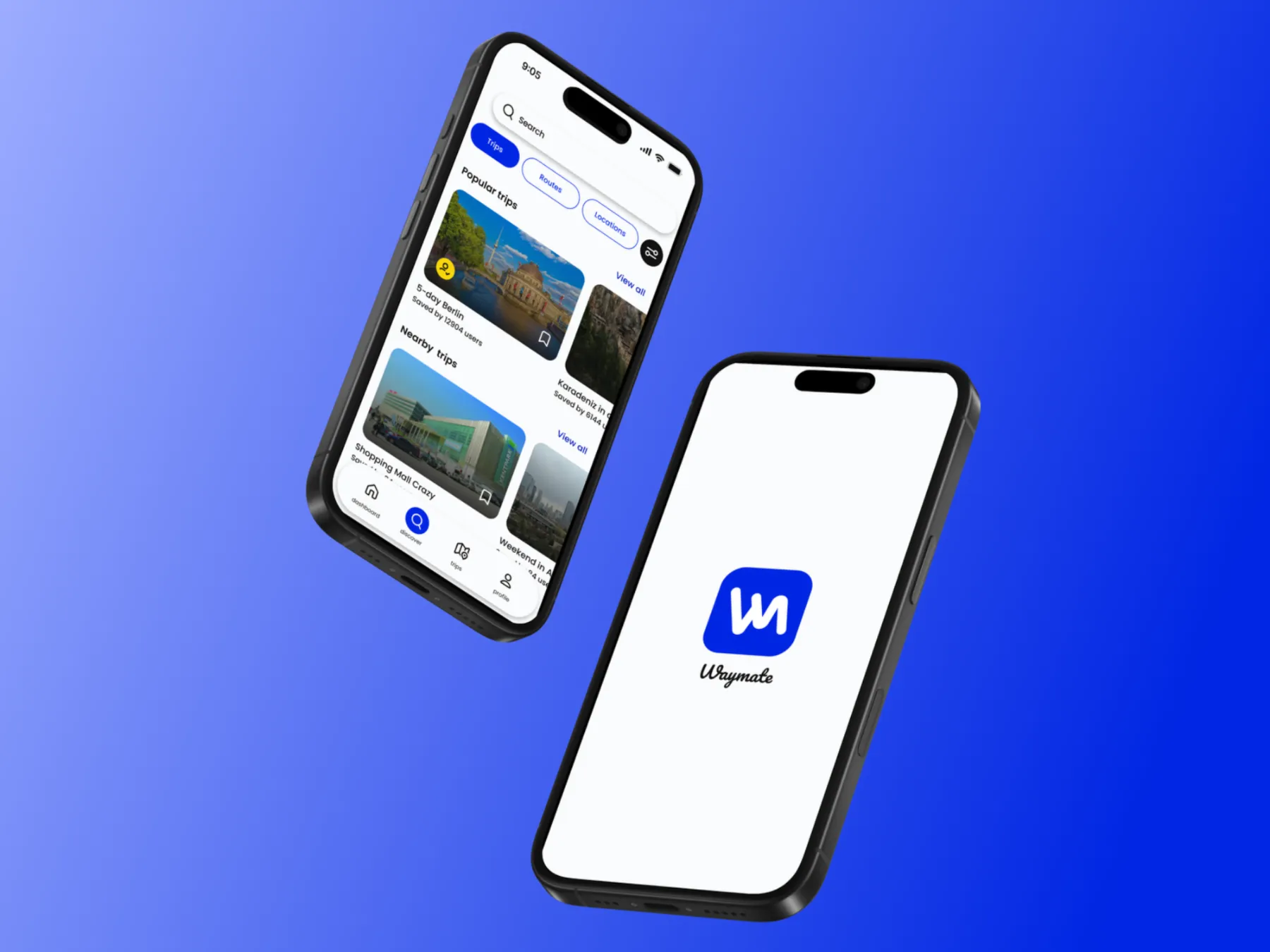
A comprehensive travel planning application for touristic purposes.
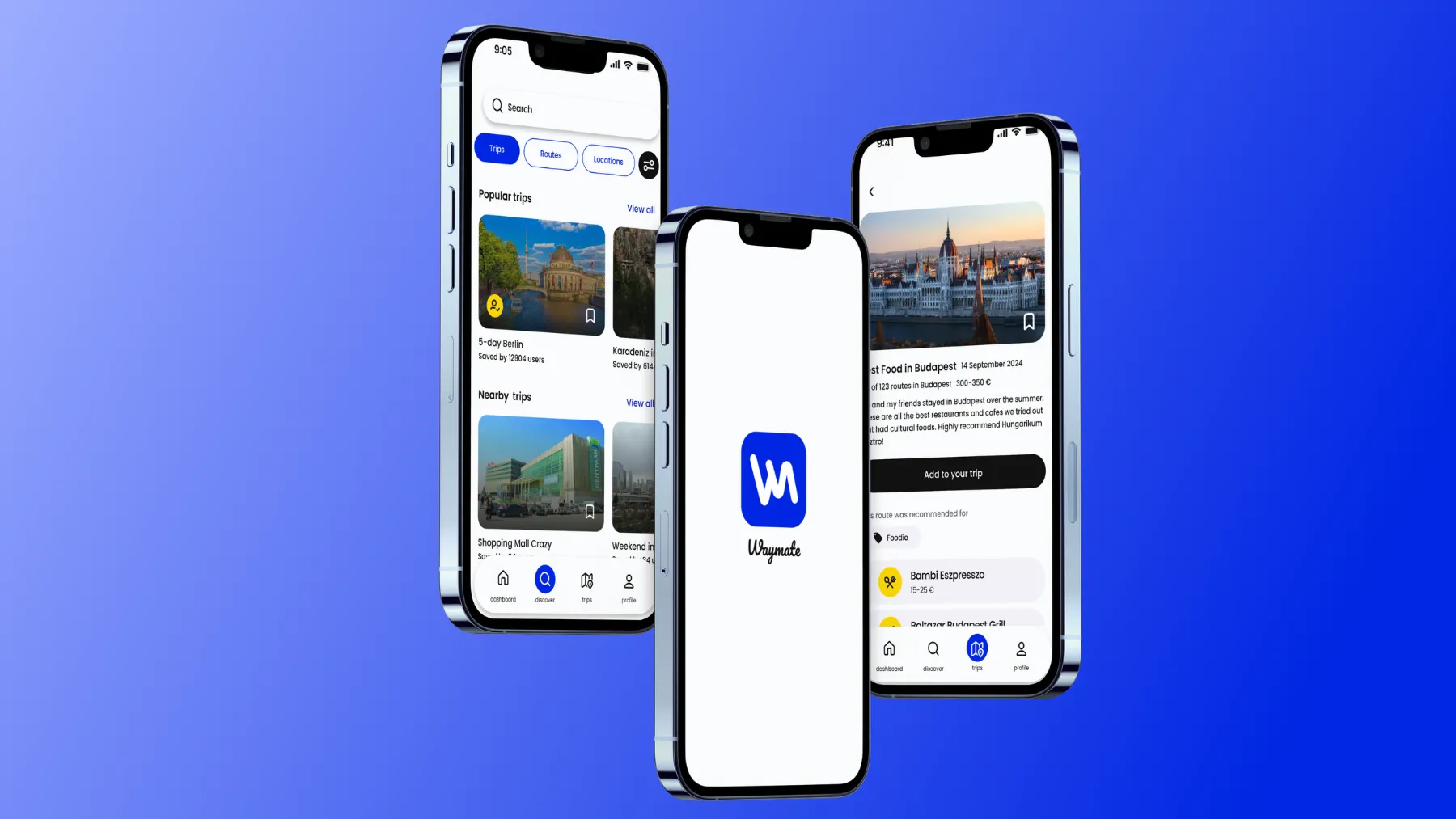
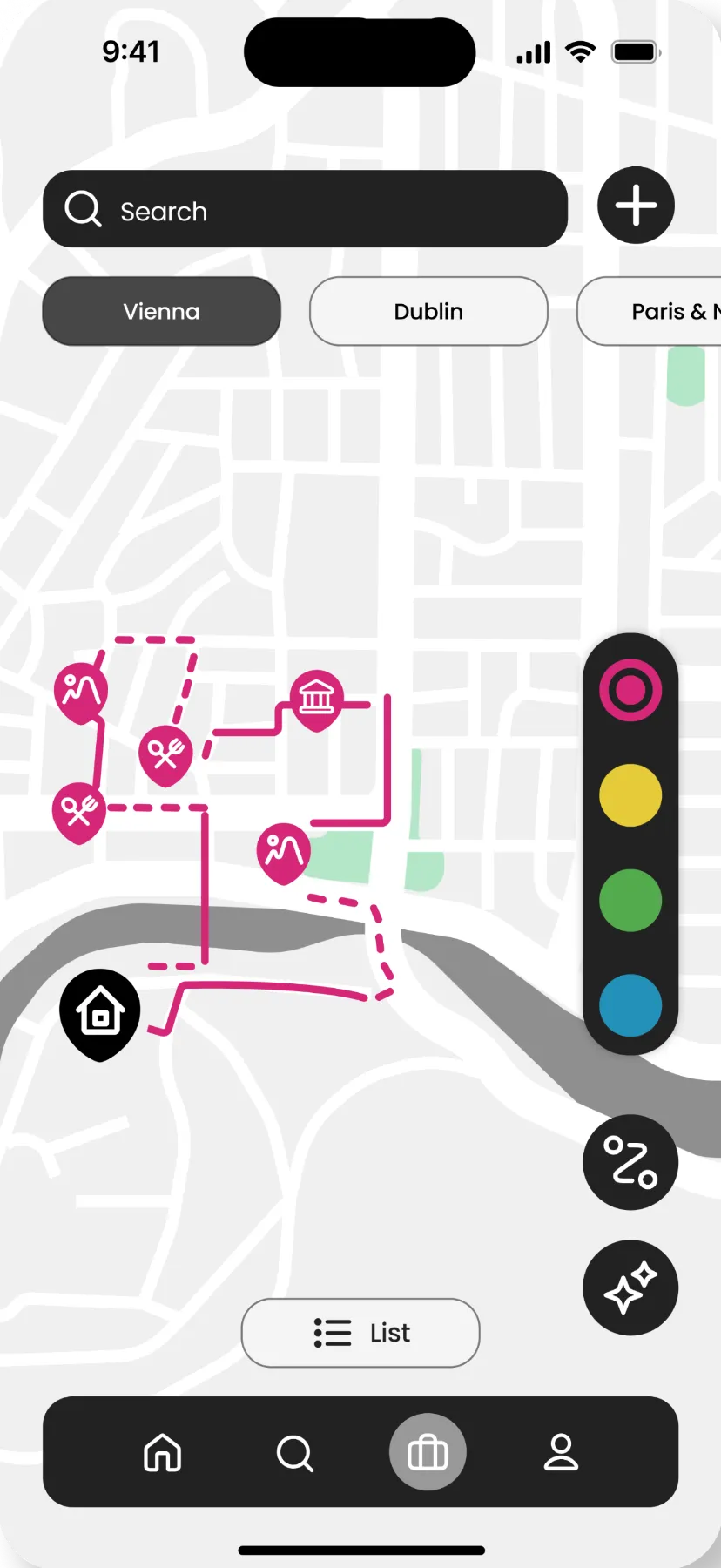
Waymate is a smart travel companion that helps people plan trips together, discover trusted local experiences, and stay in control of time and spending; all through one shared map.
It turns scattered ideas, social pressure, and decision fatigue into clear, flexible routes that fit everyone in the group, while keeping the trip enjoyable, realistic, and stress-free.
We started with a benchmark research, then ran a survey and 9 user interviews on how people plan trips for touristic purposes.


“I always want to be at the coolest spot in town.”
“My friends don’t help out with planning then complain about the plans during the trip.”
“Best advice is always from people who experienced it.”
For each persona we wrote a problem and goal statement, then sketched solutions and picked the features to take forward.
Every feature traces back to something a user told us and to desk research that supports it.
“Best advice is always from people who experienced it, that’s why you should listen to my advice.”
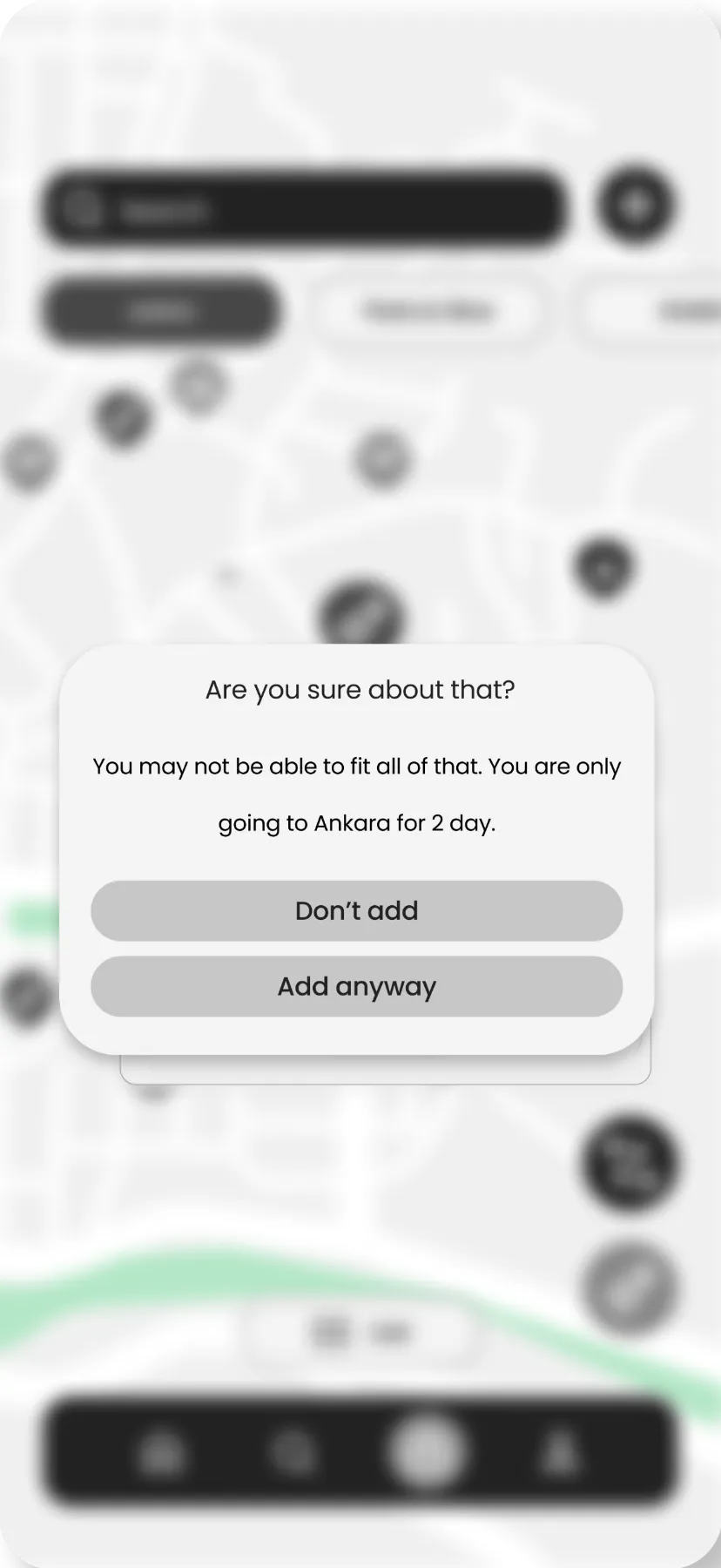
Tuğberk · The Backpacker“Sometimes I overestimate how much I can fit or how much I can walk in a day.”
Ezgi · Group Organizer“My friends don’t help out with planning then complain about the plans during the trip.”
Ezgi · Group Organizer“I would rather someone else plan for me.”
İsmail · White Collar Showman“Even if you plan everything, something almost always goes sideways.”
Tuğberk · The Backpacker“I don’t really trust AI recommendations, I find them too generic.”
Ezgi · Group OrganizerThe primary purpose of this usability test is to identify pain points experienced by users similar to our created personas and to validate the fluidity of the selected flows.
Metrics: task success · efficiency · error rate · emotional response · 4 participants
Waymate logo
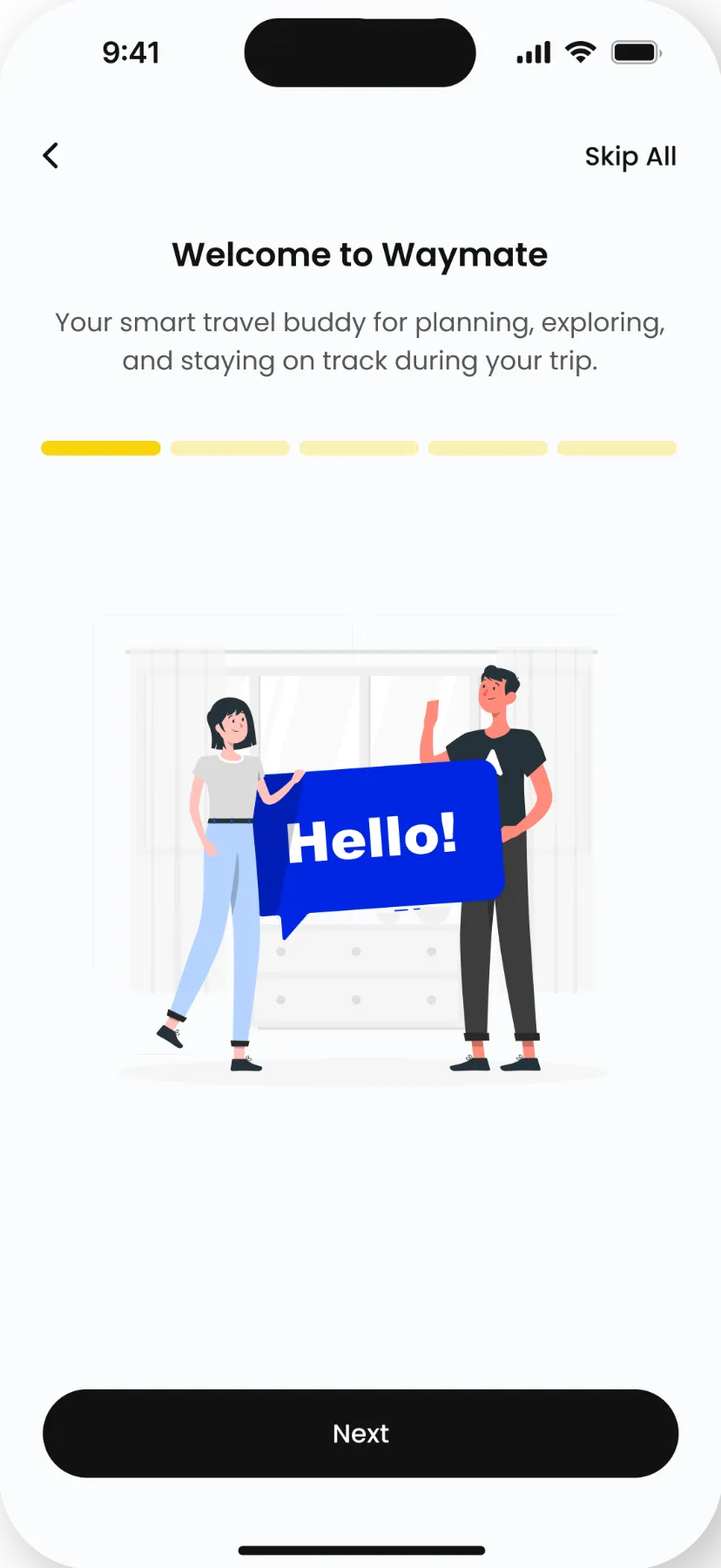
Welcome to Waymate
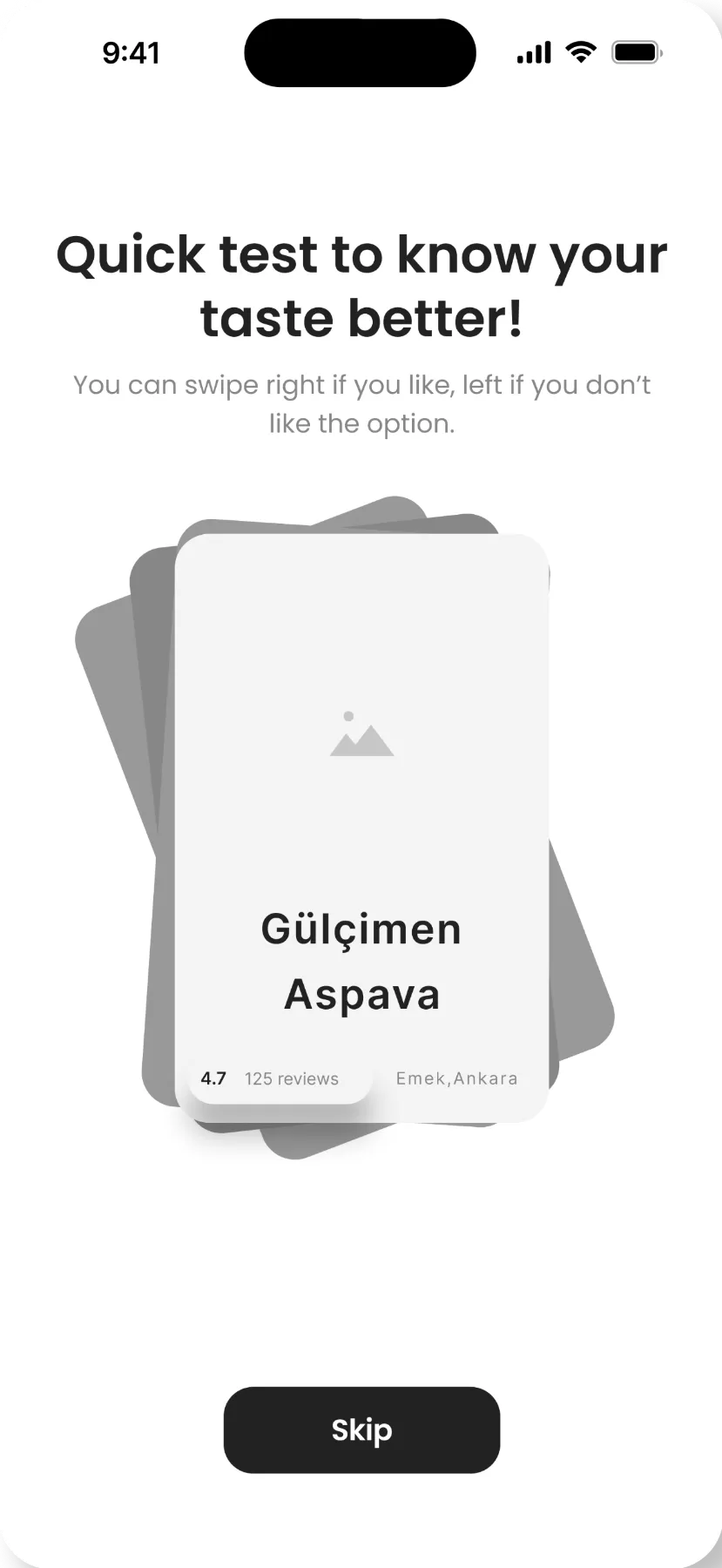
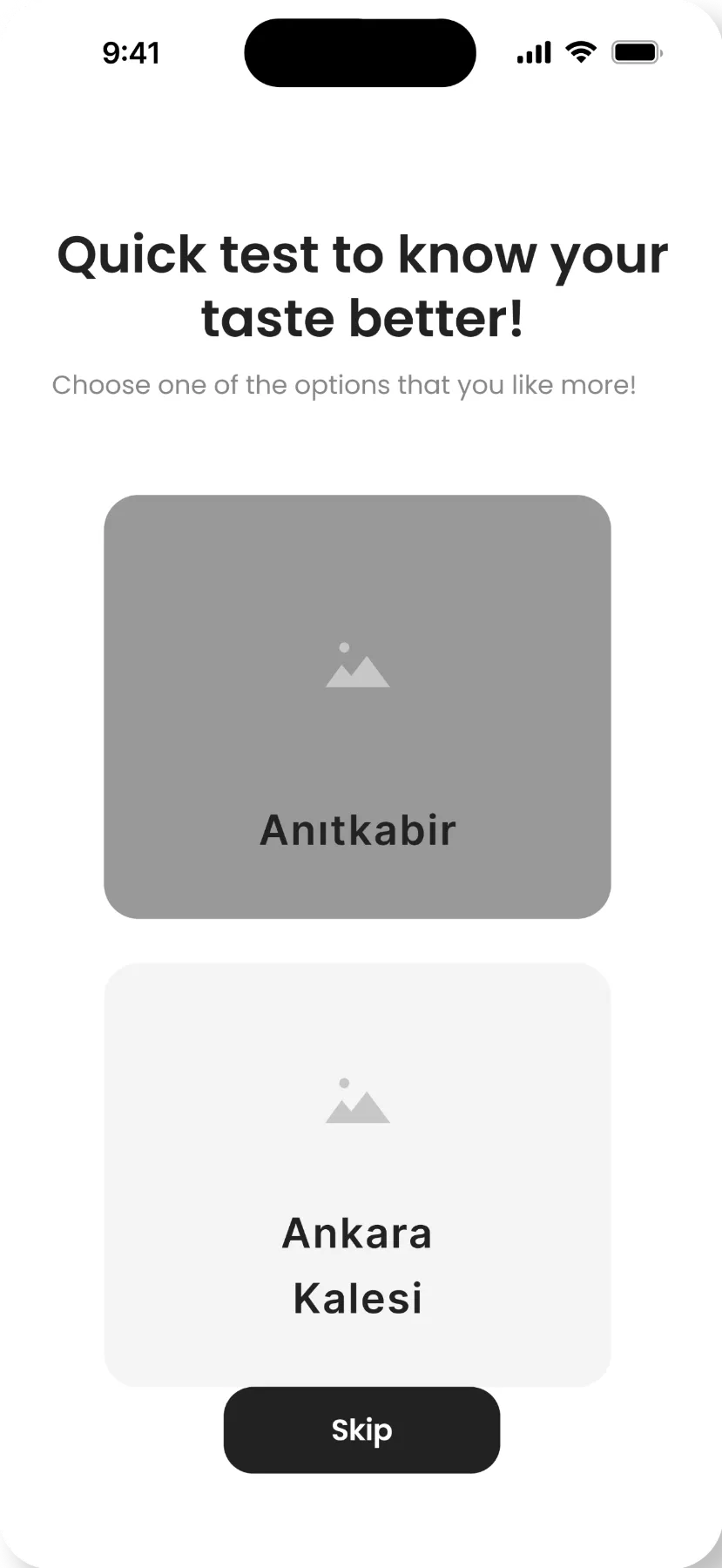
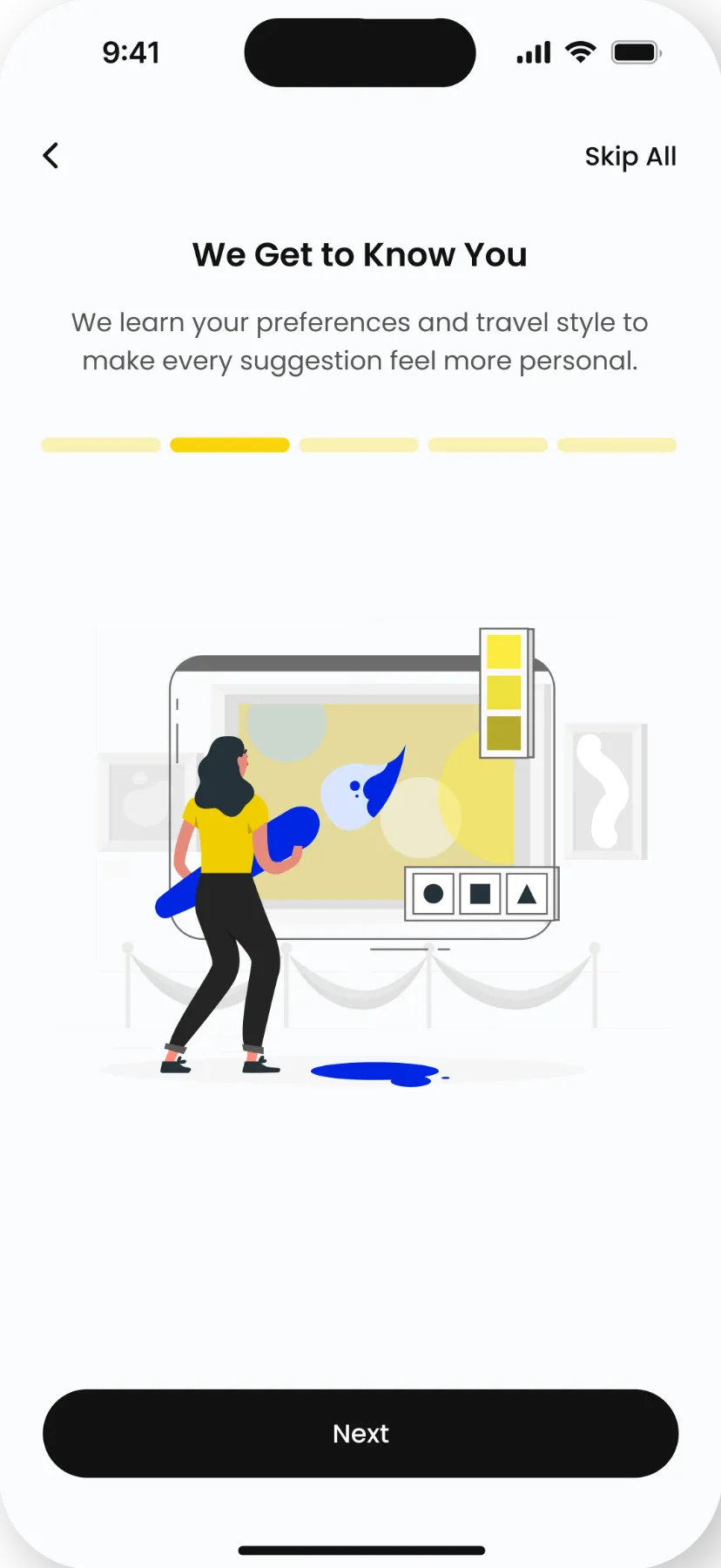
We get to know you
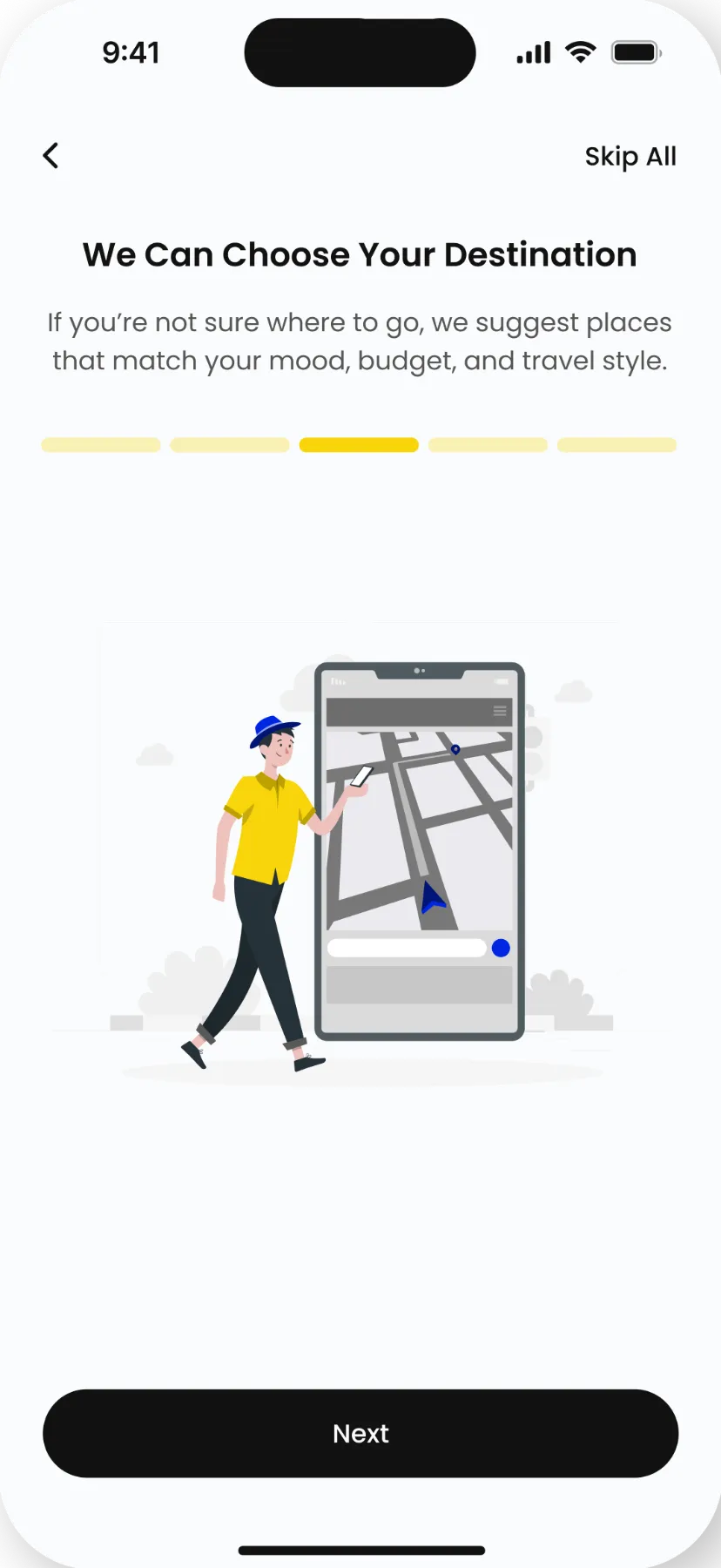
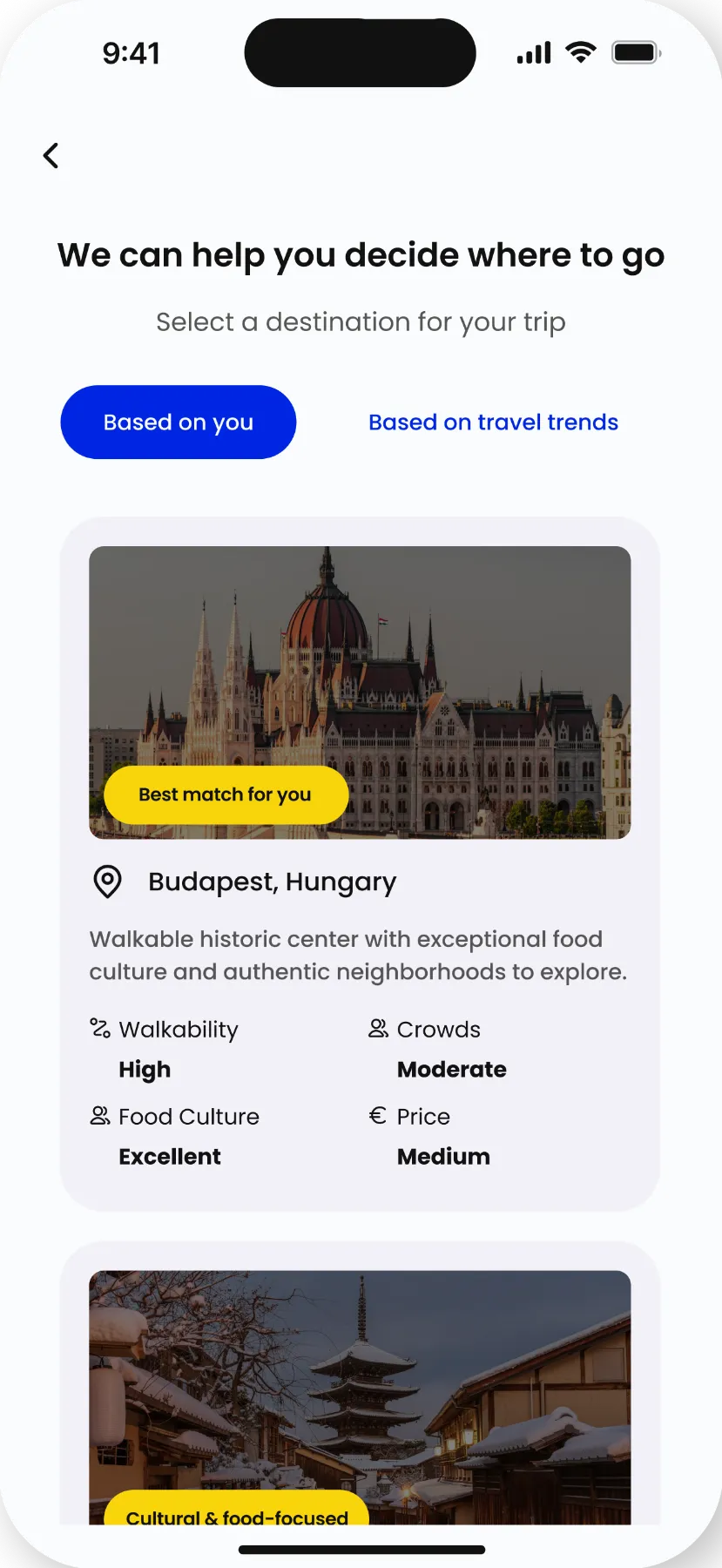
We can choose your destination
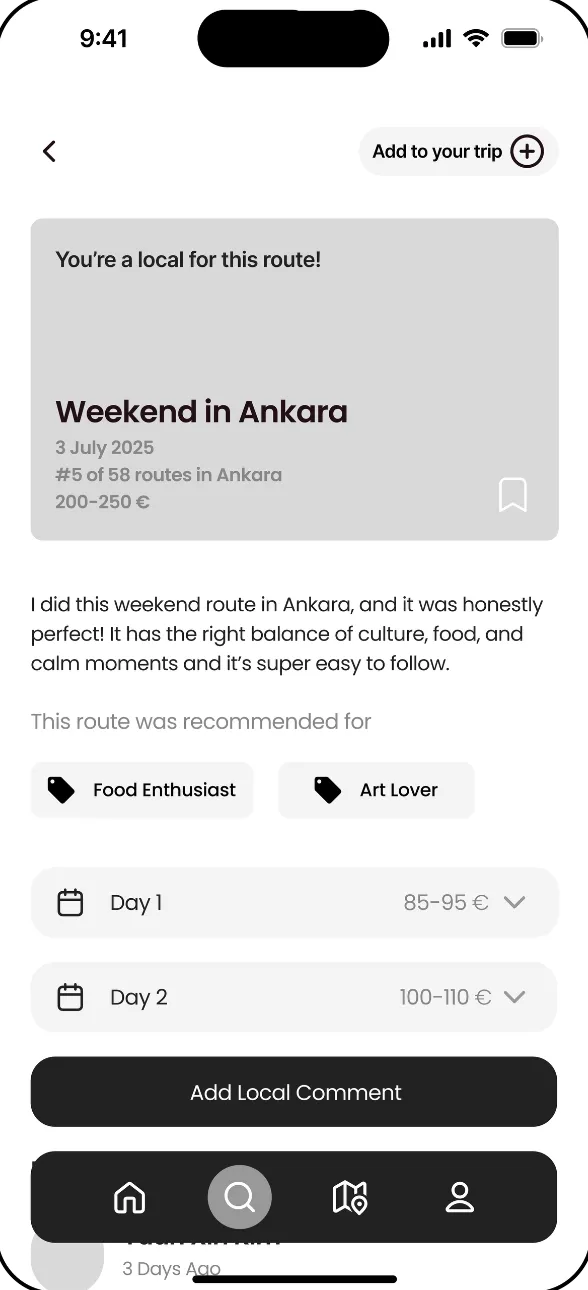
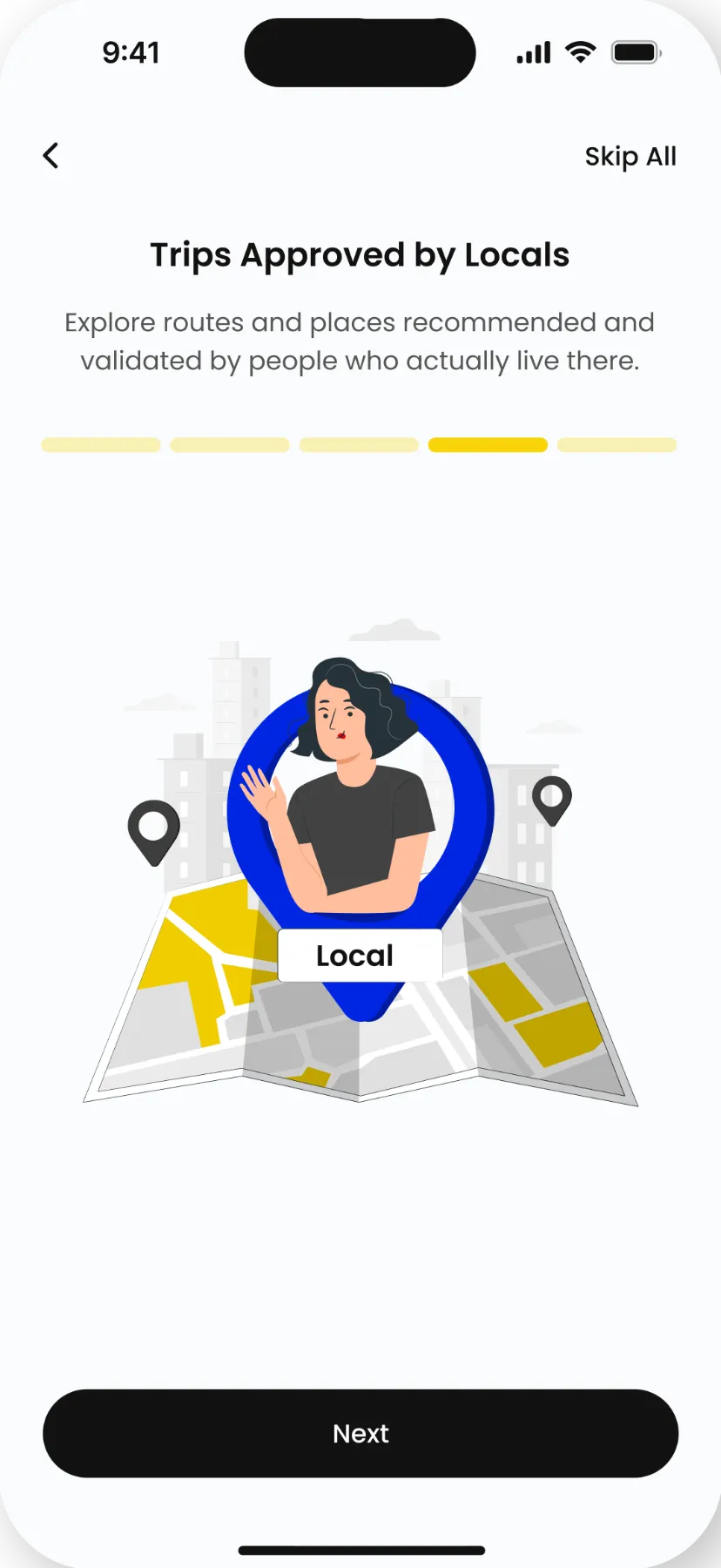
Trips approved by locals
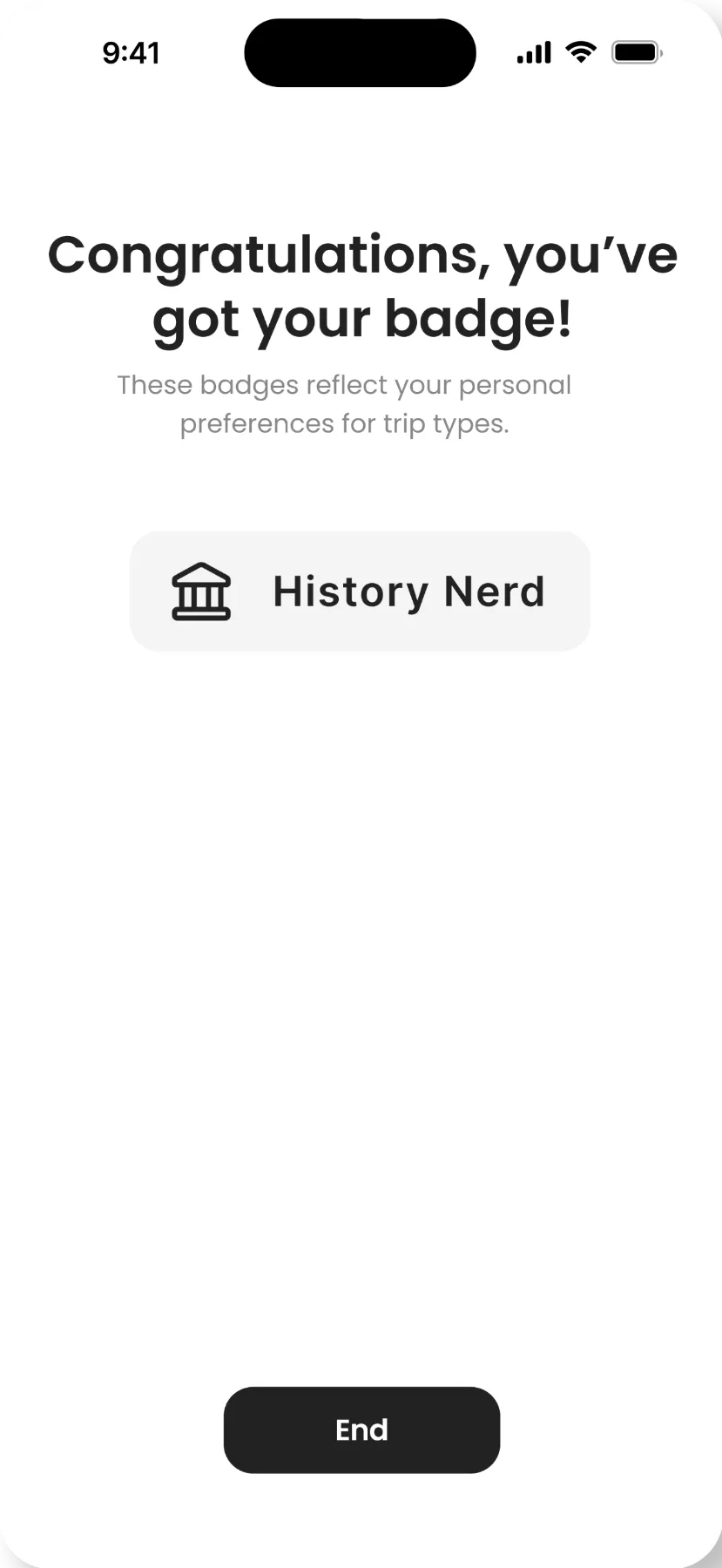
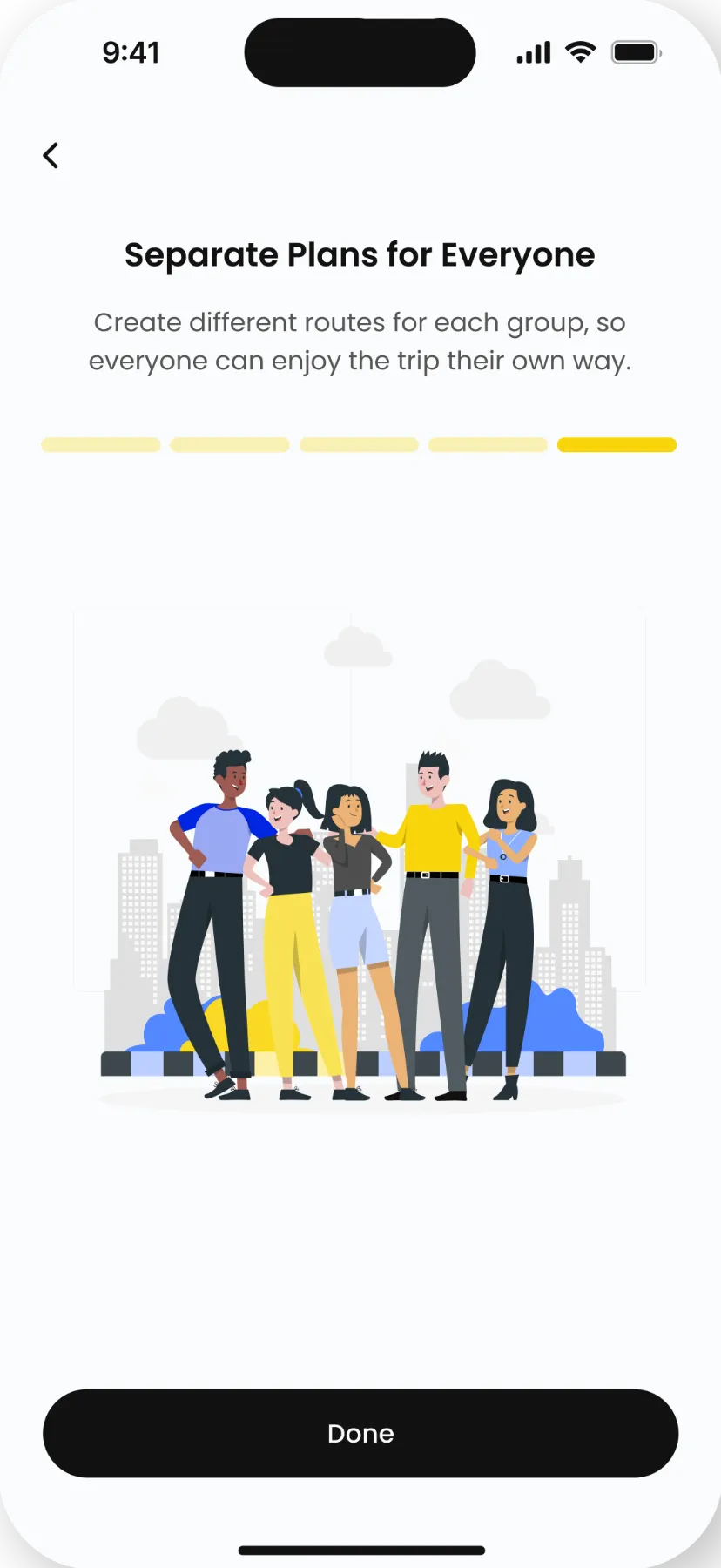
Separate plans for everyone
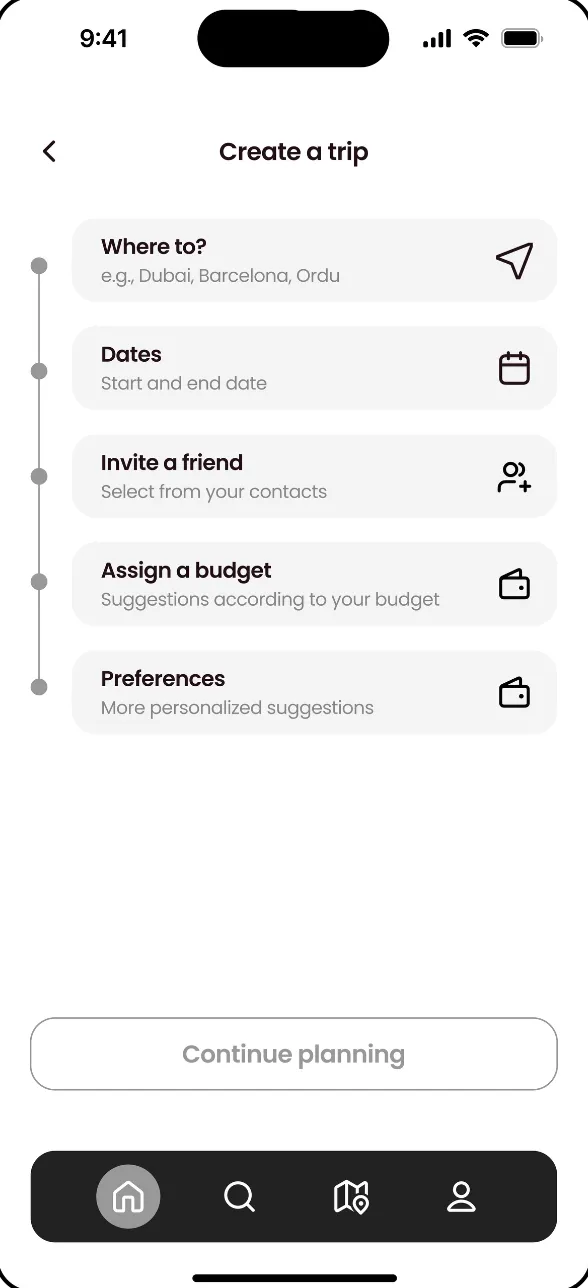
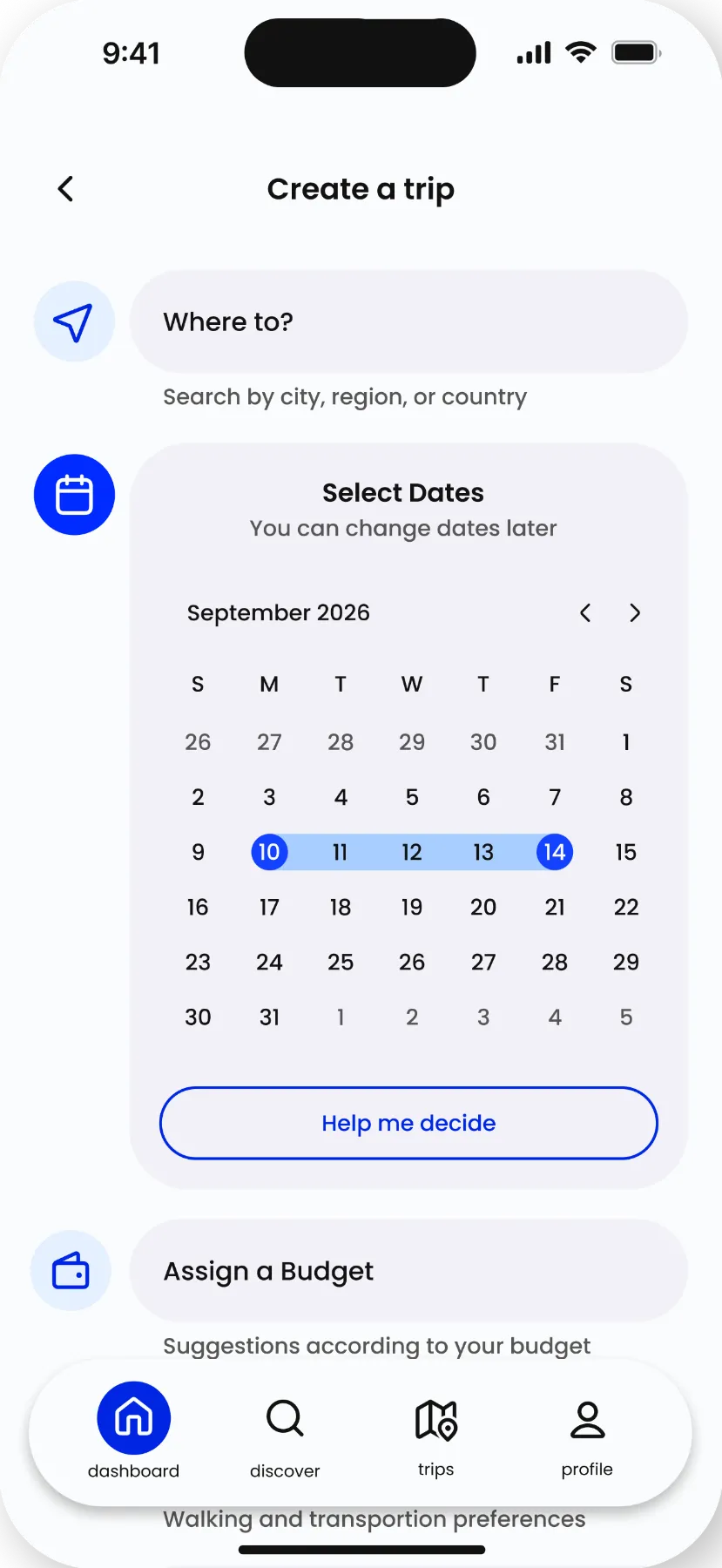
Select in the order you want, stop anytime you want.
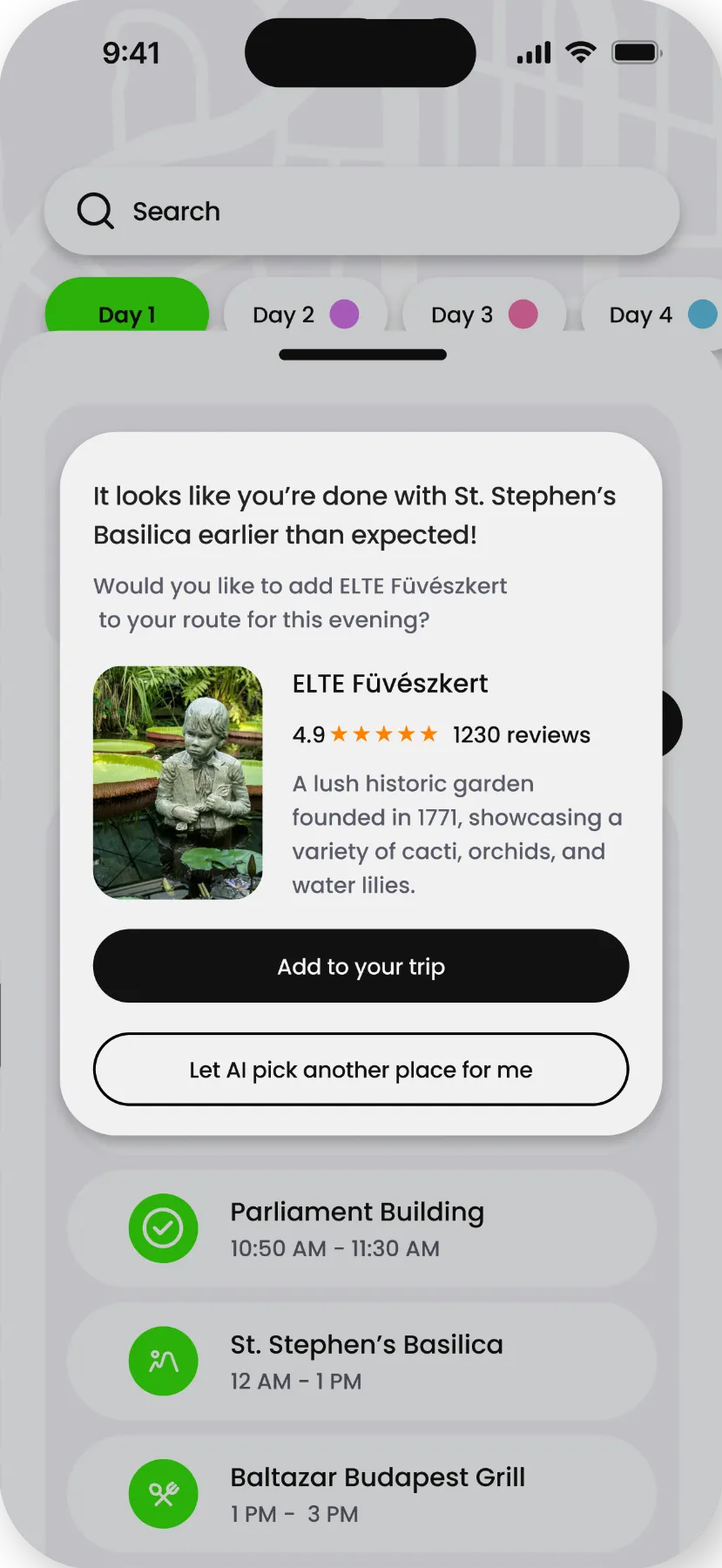
AI will help us decide on every step we wish.
AI suggests destinations suitable for you.
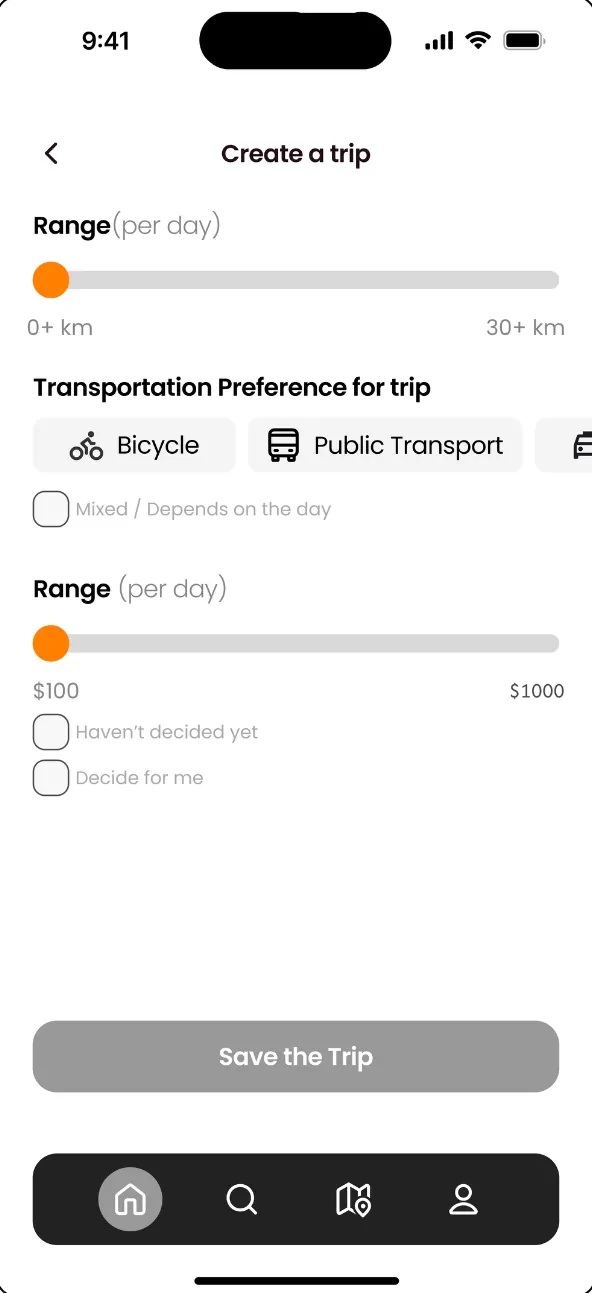
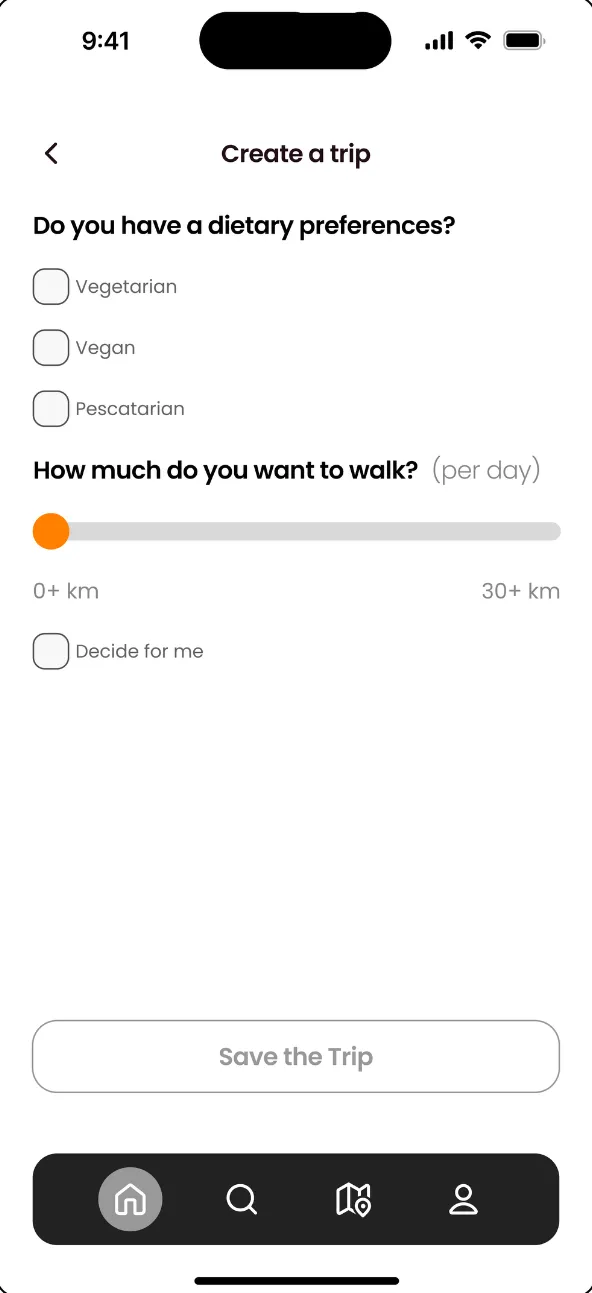
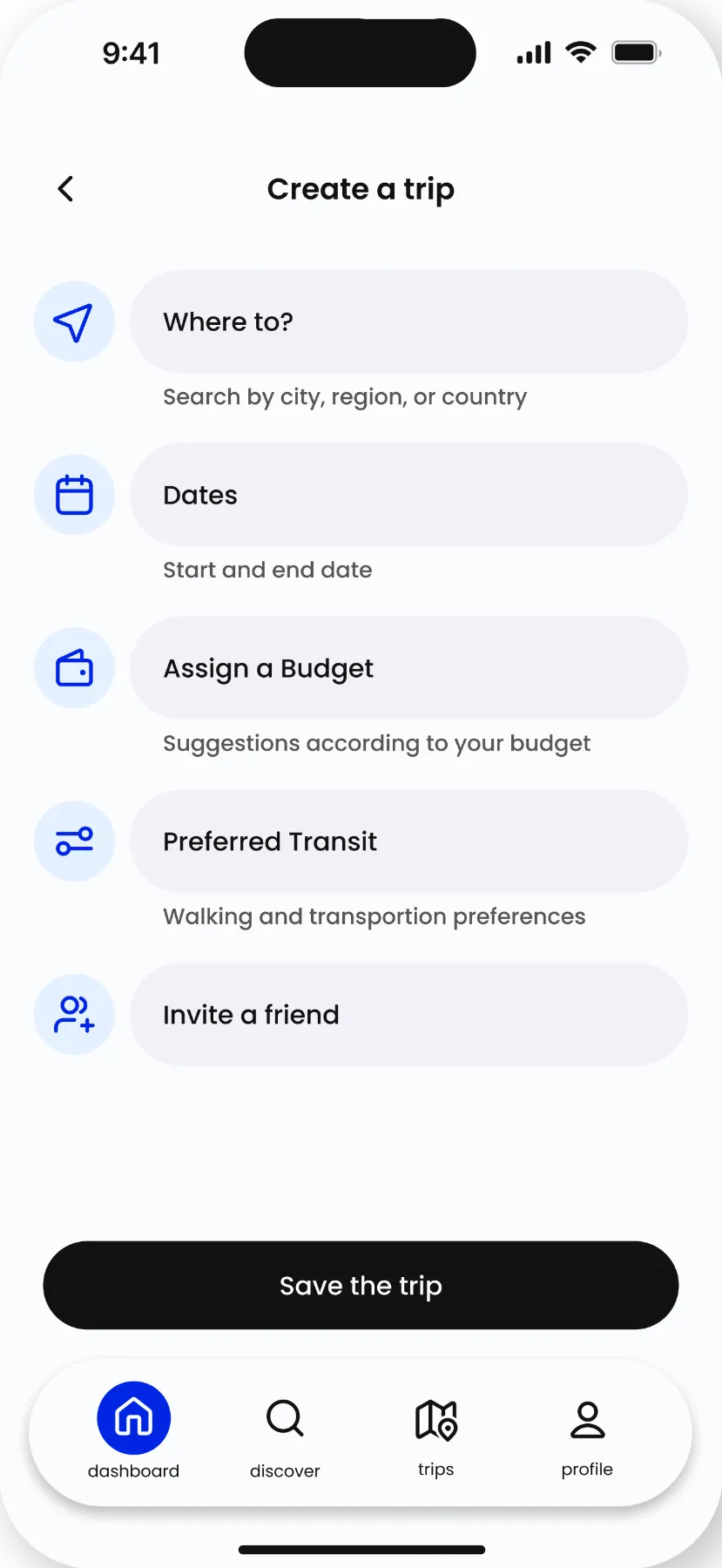
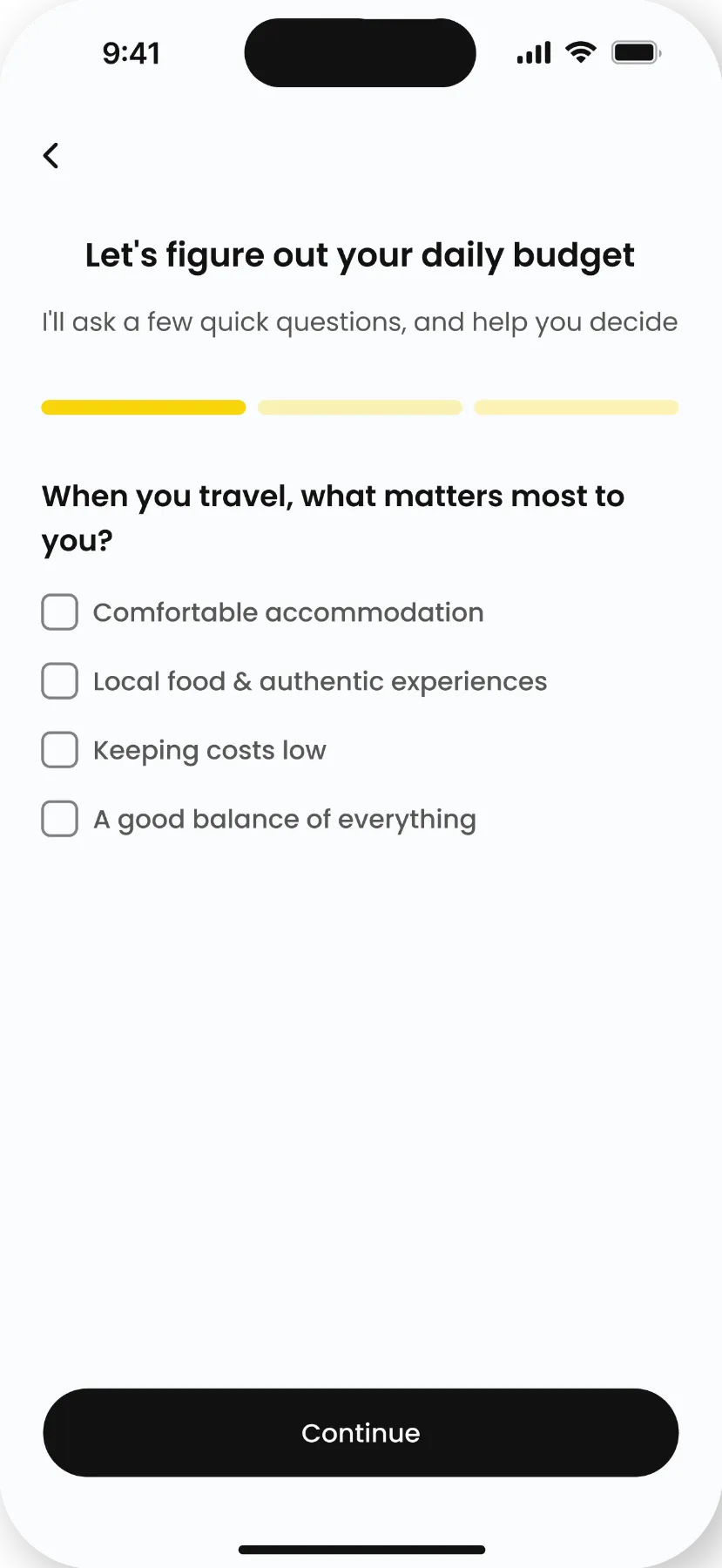
Mini questionnaire to help you decide on budget.
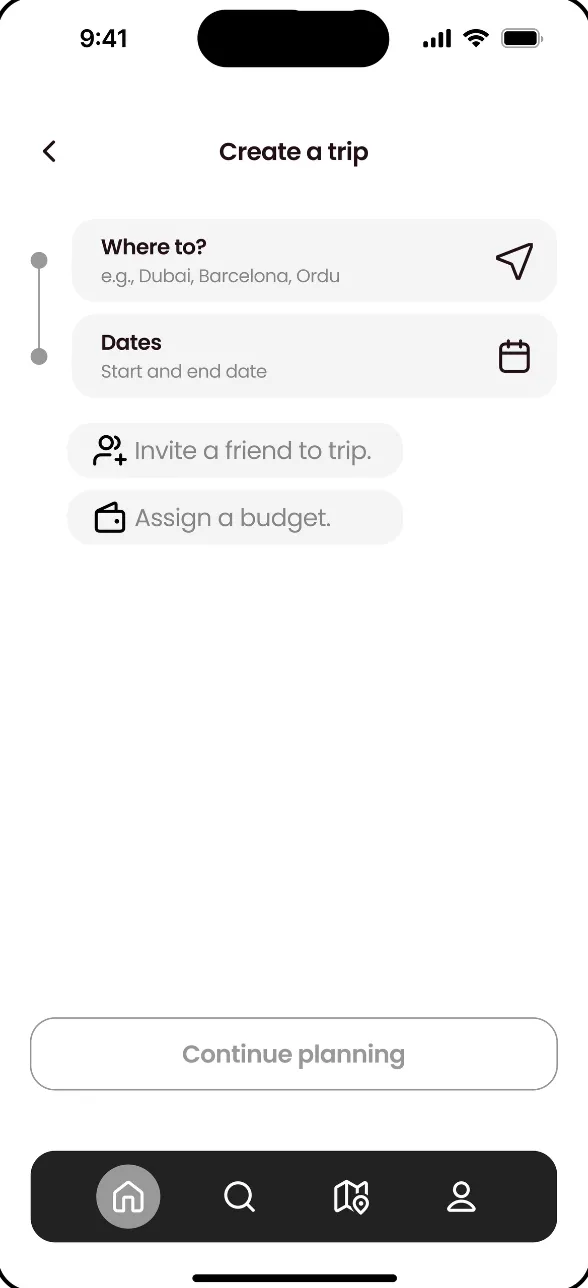
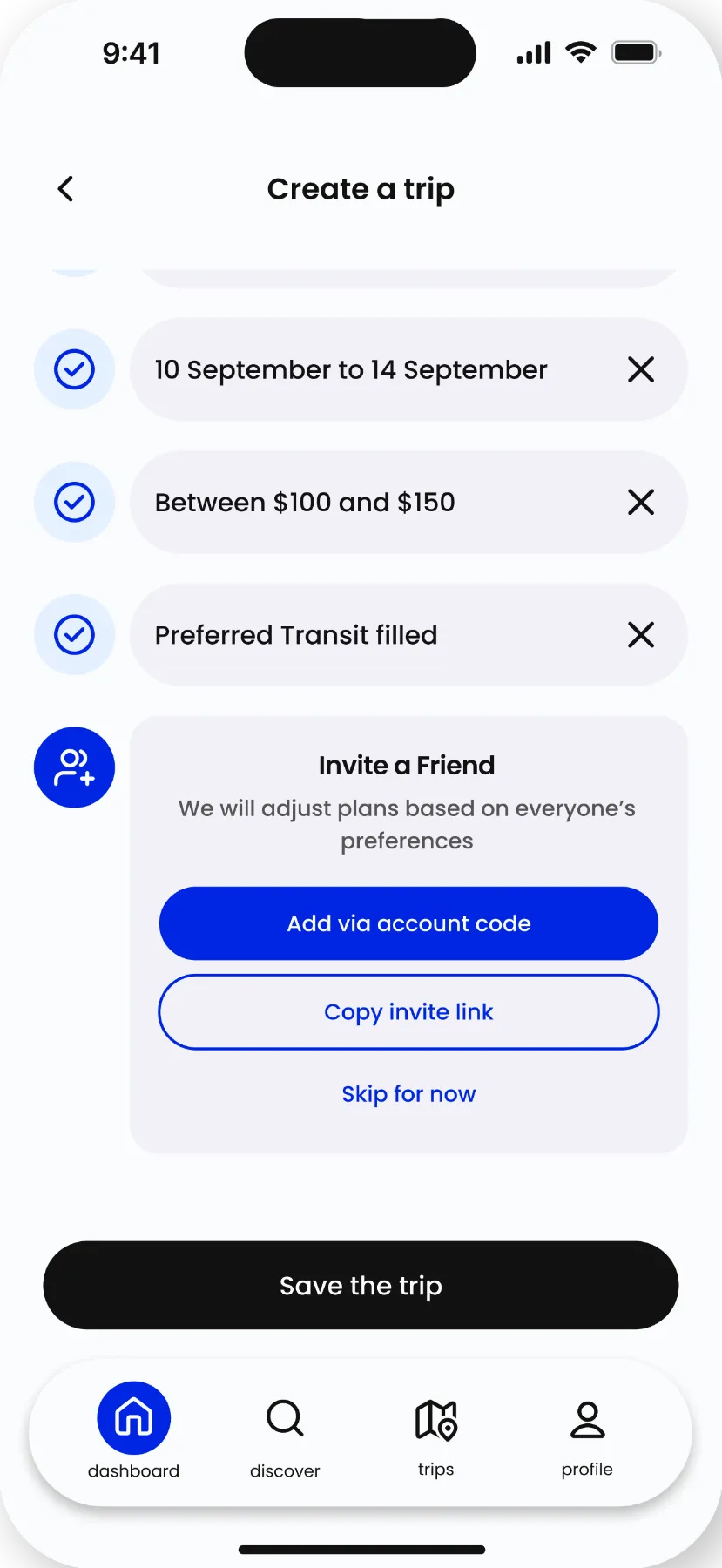
Invite friends via app or link.
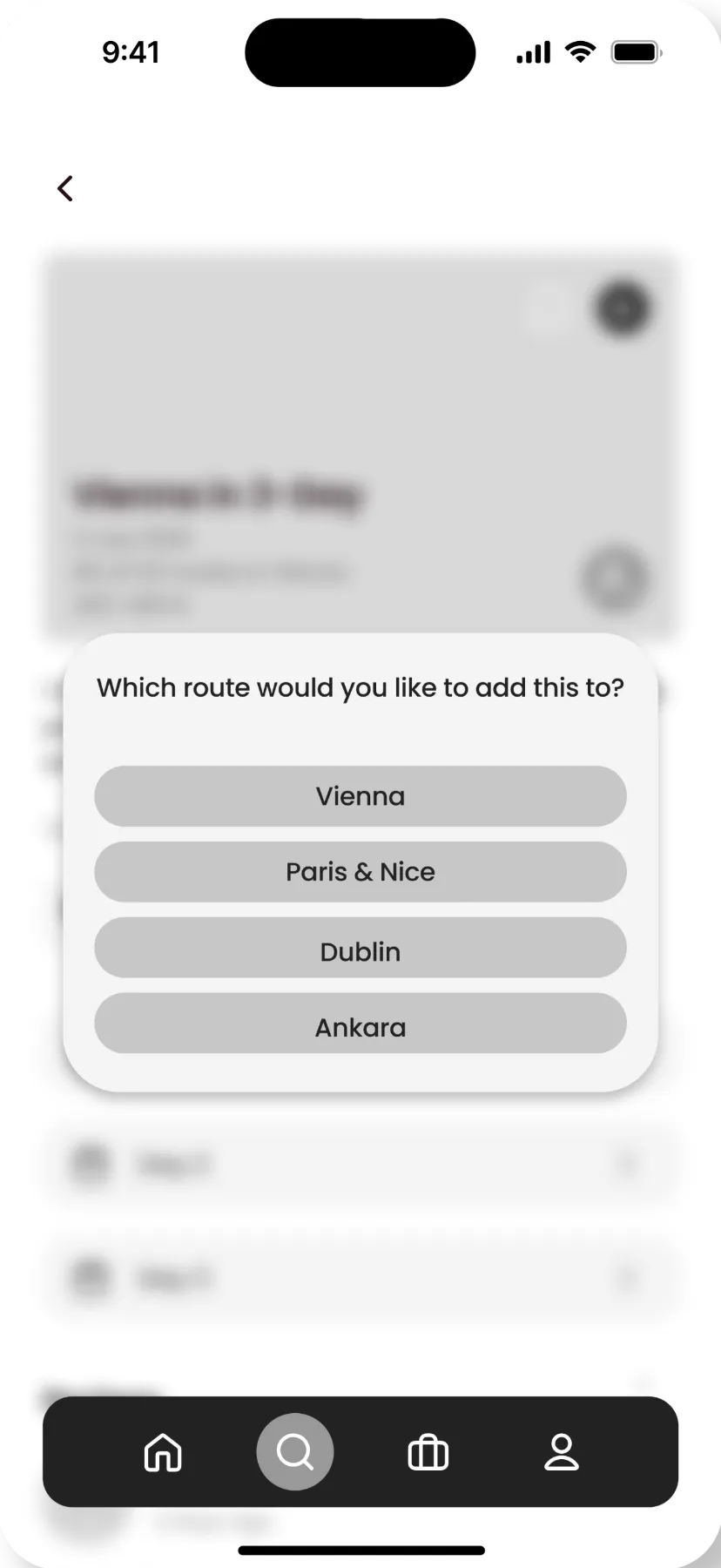
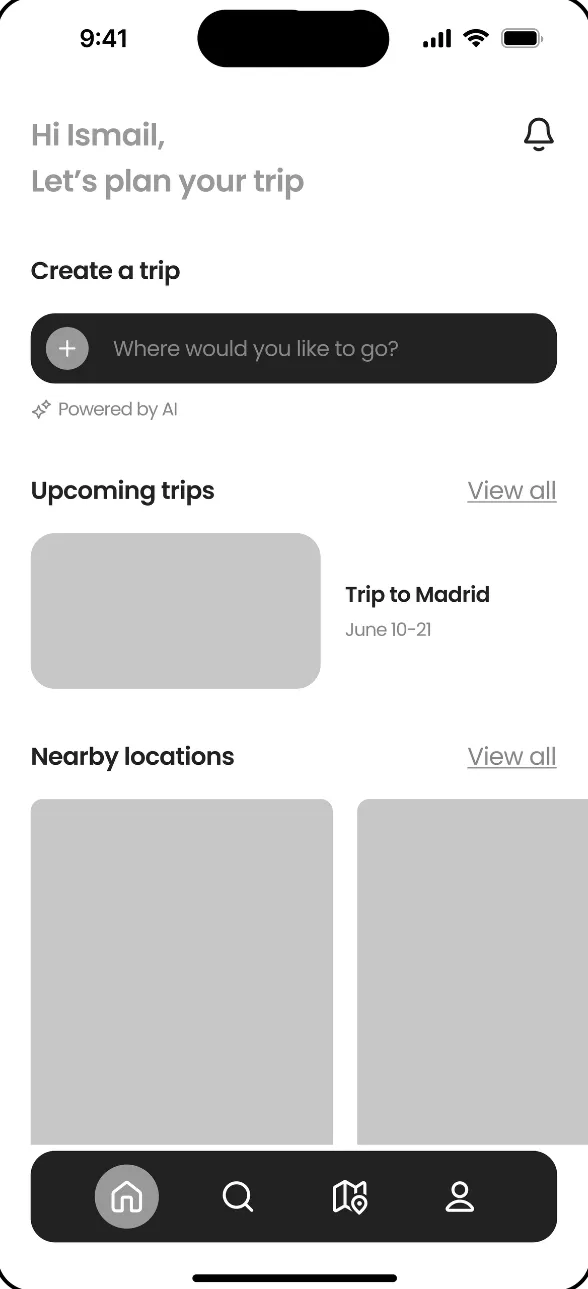
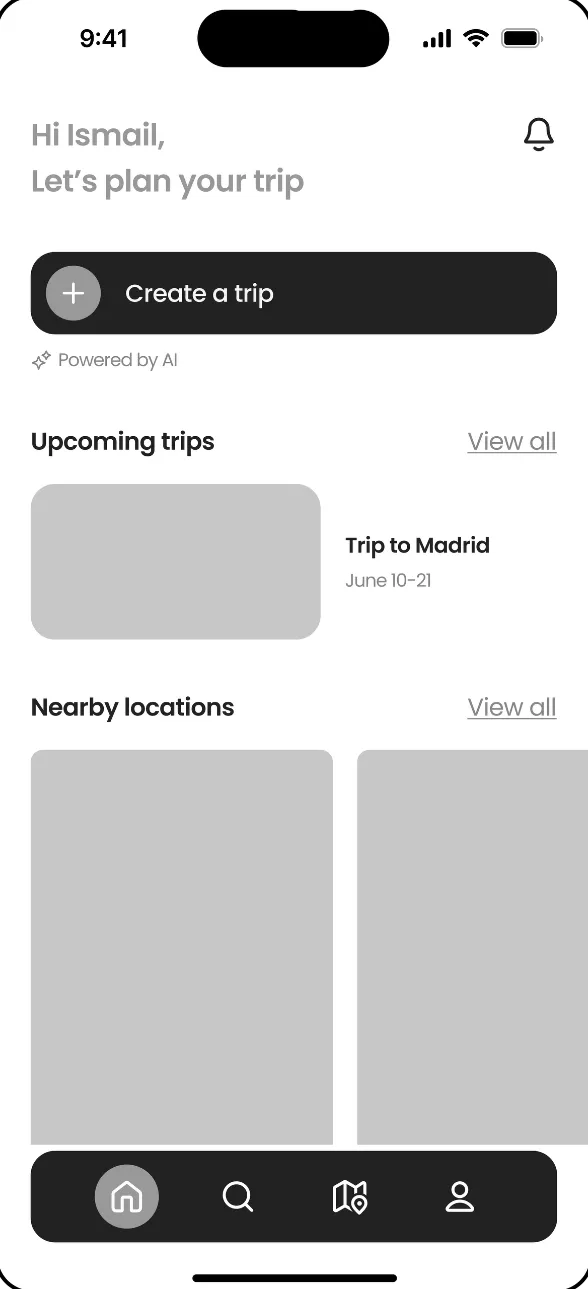
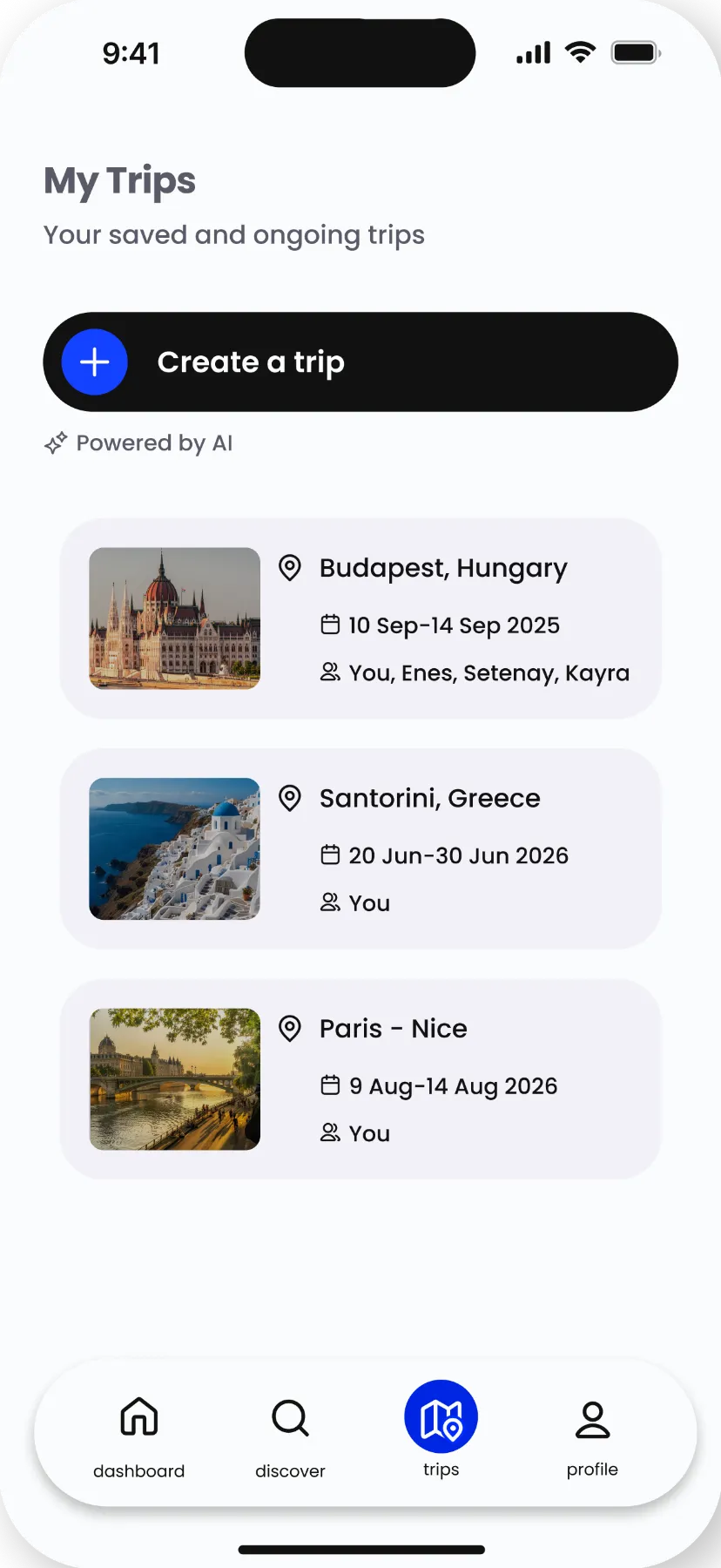
Select which trip to plan here.
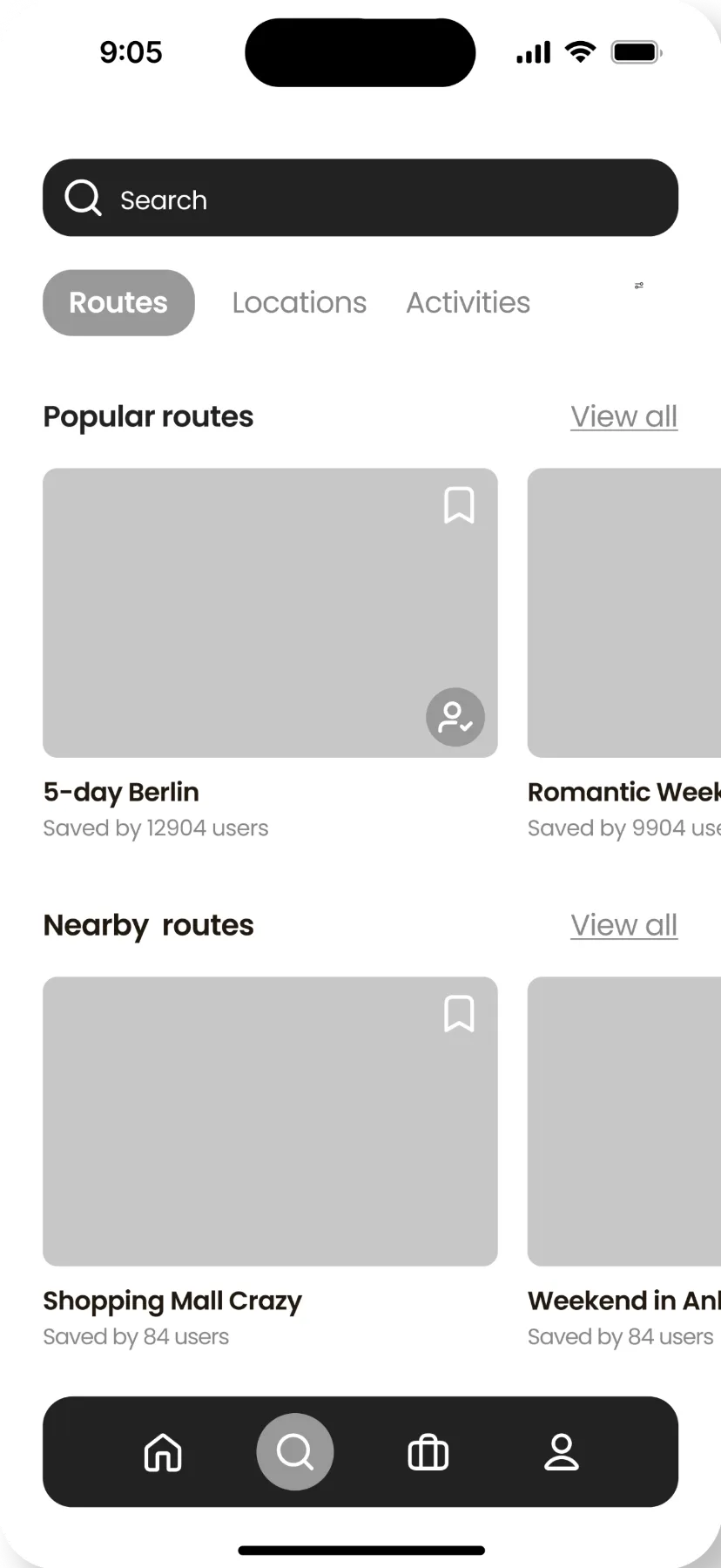
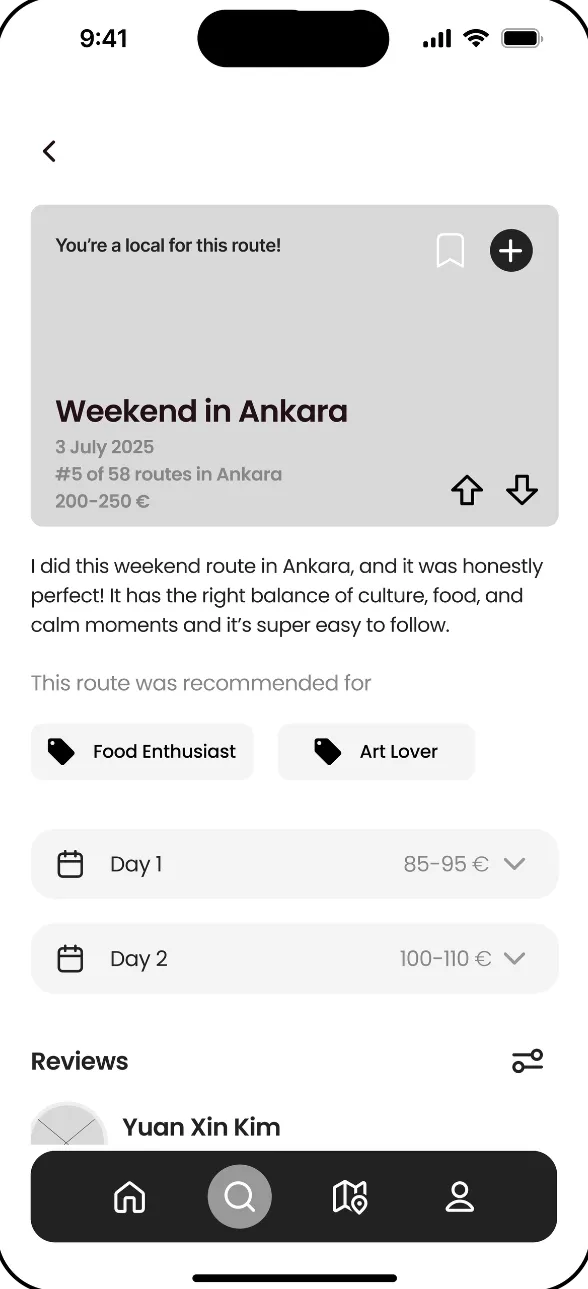
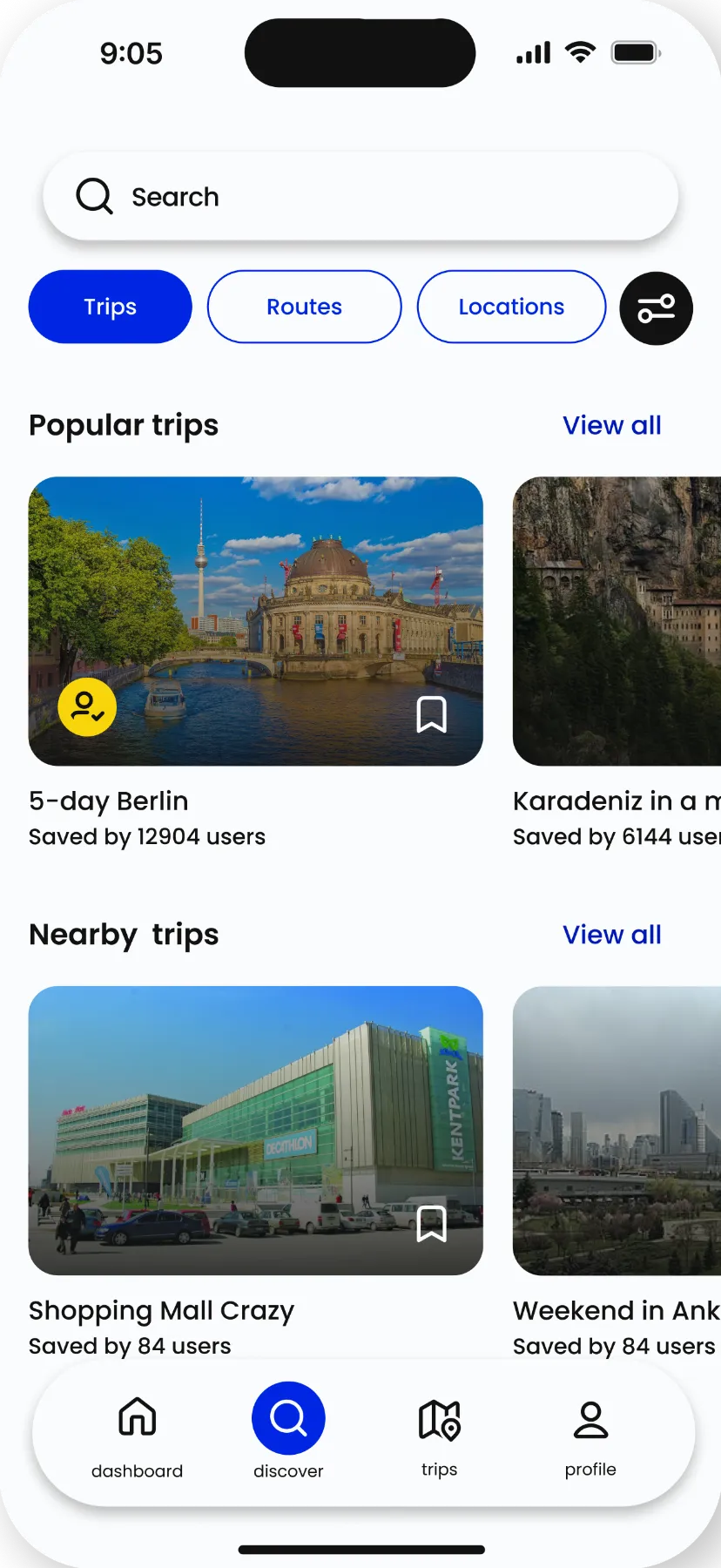
Discover trips others have shared.
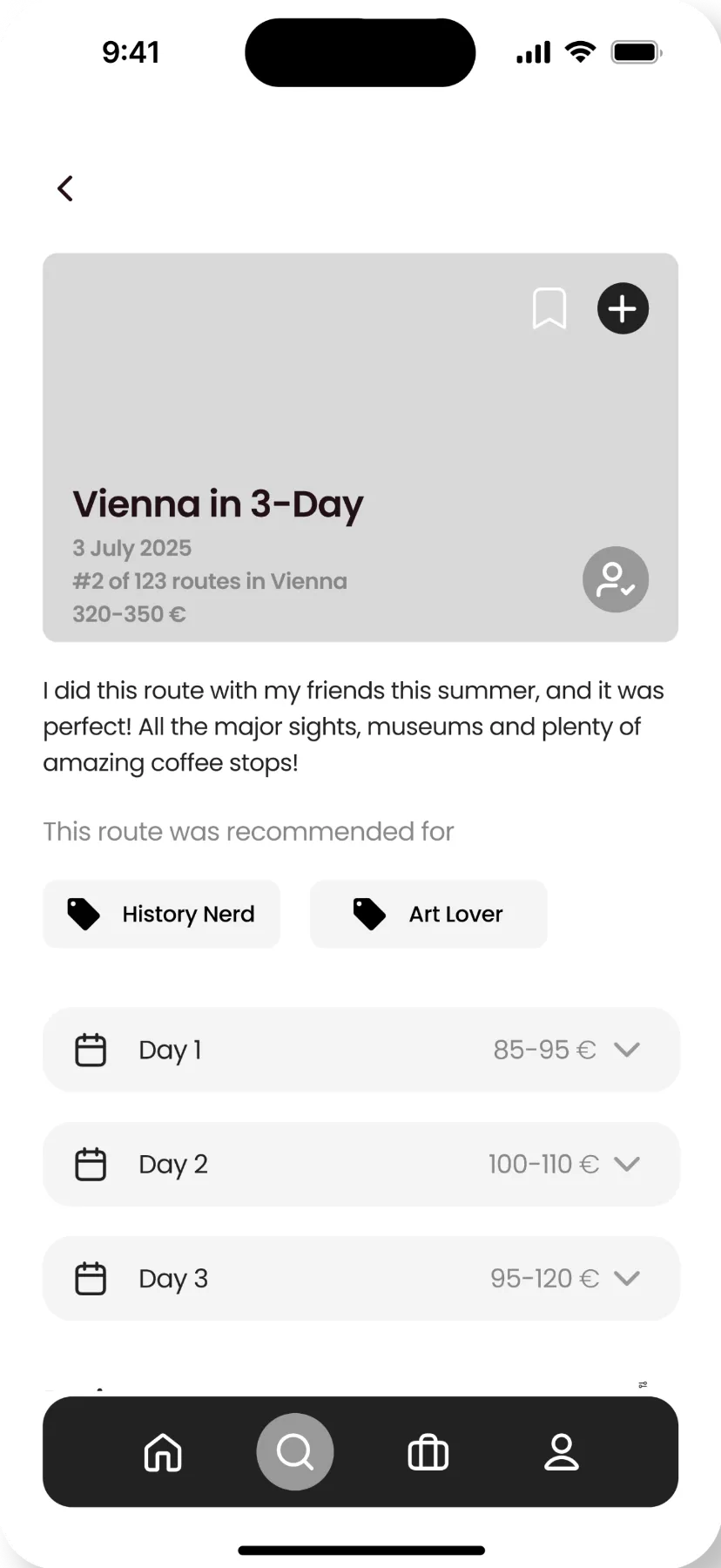
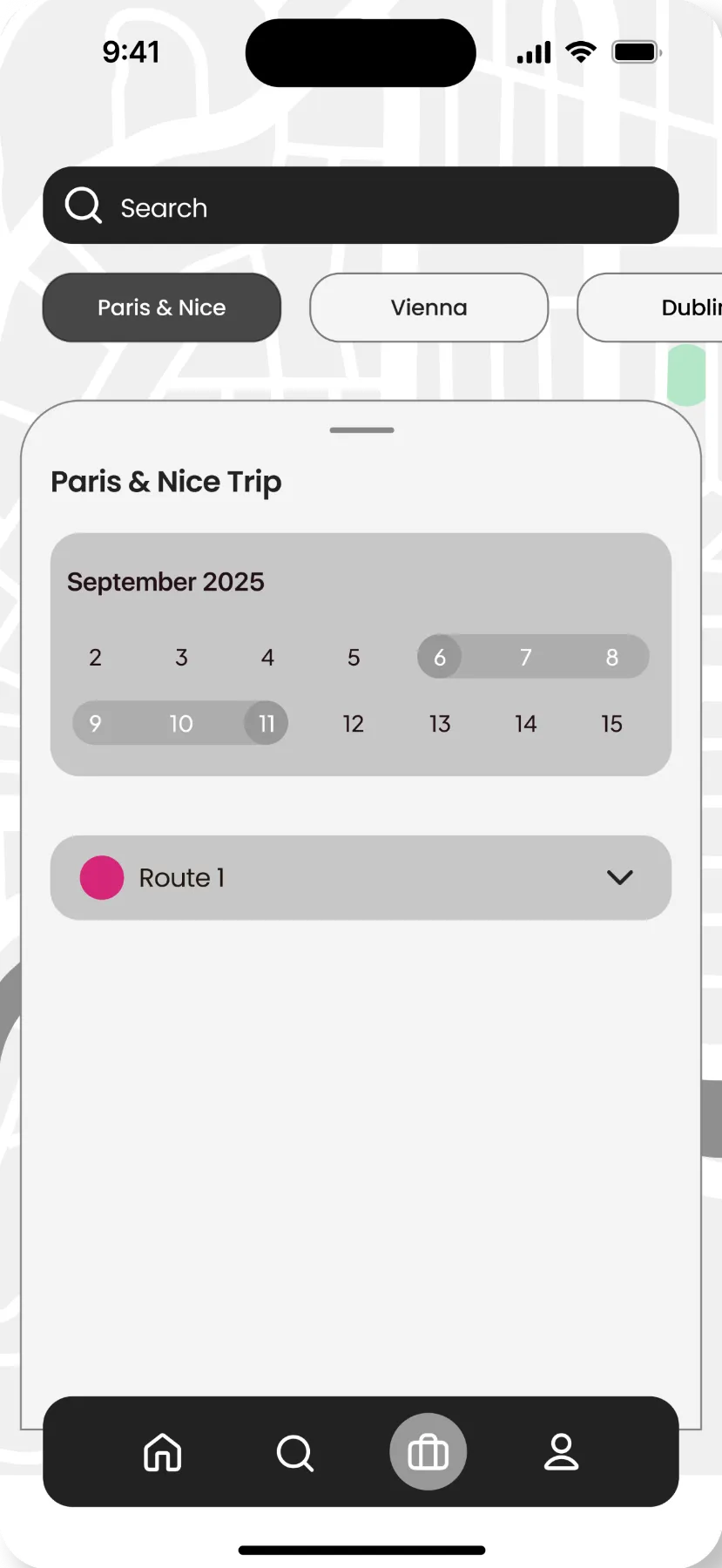
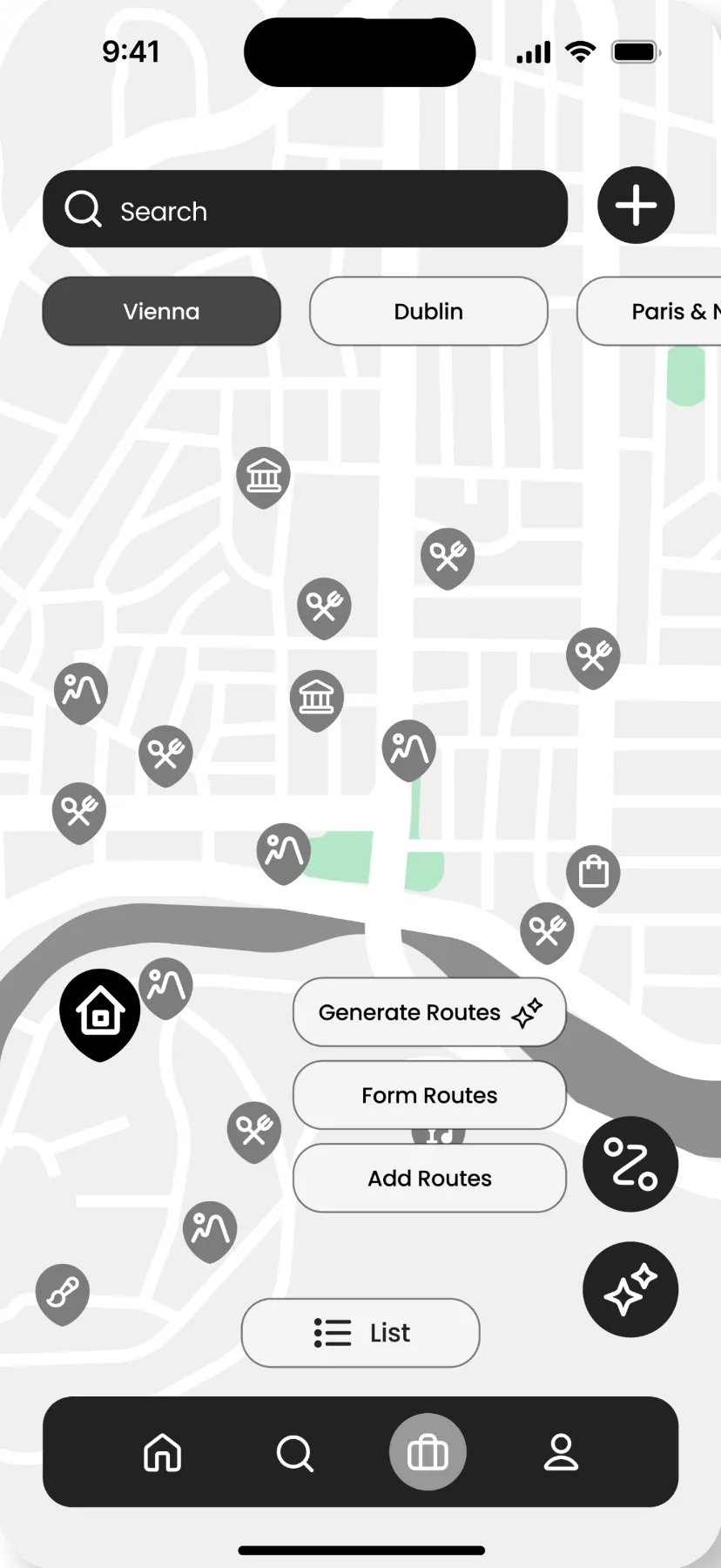
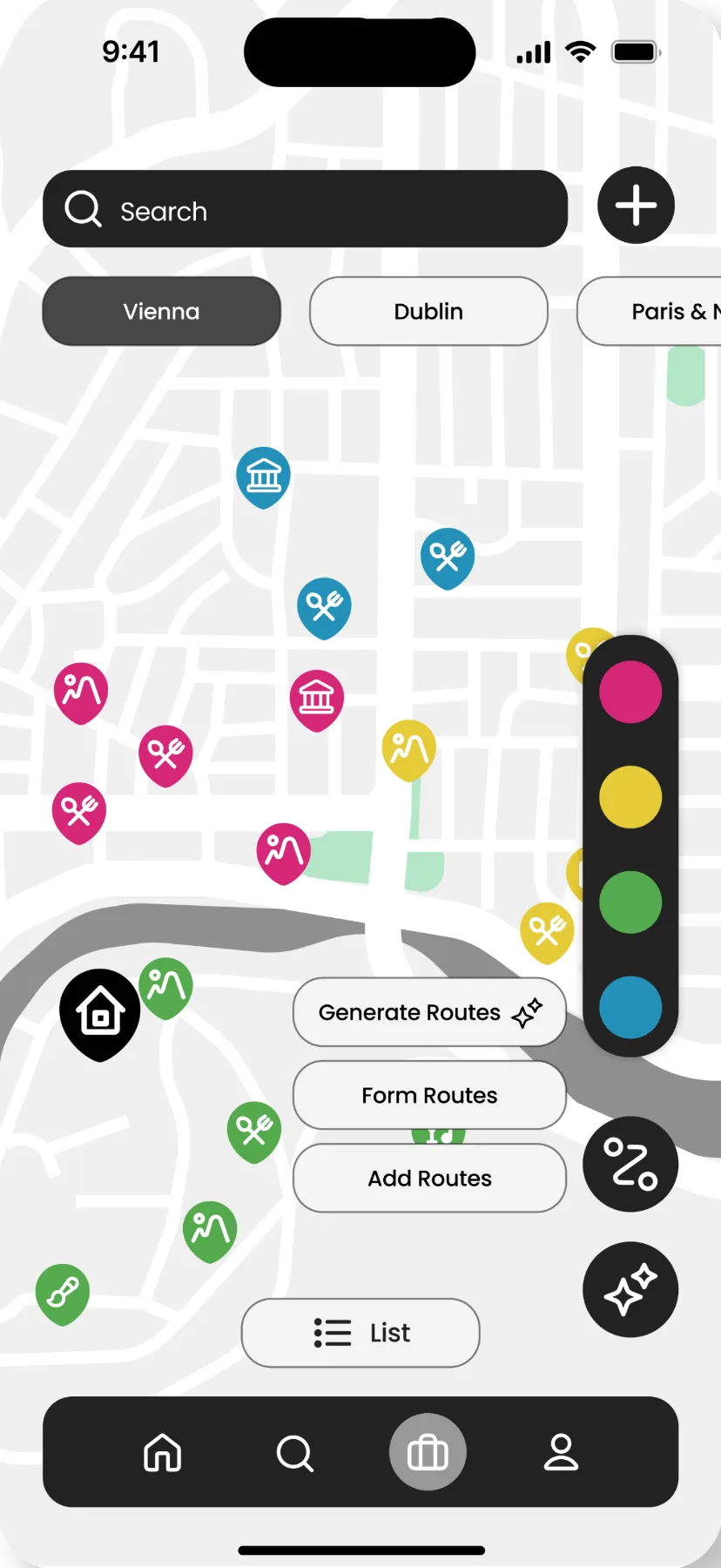
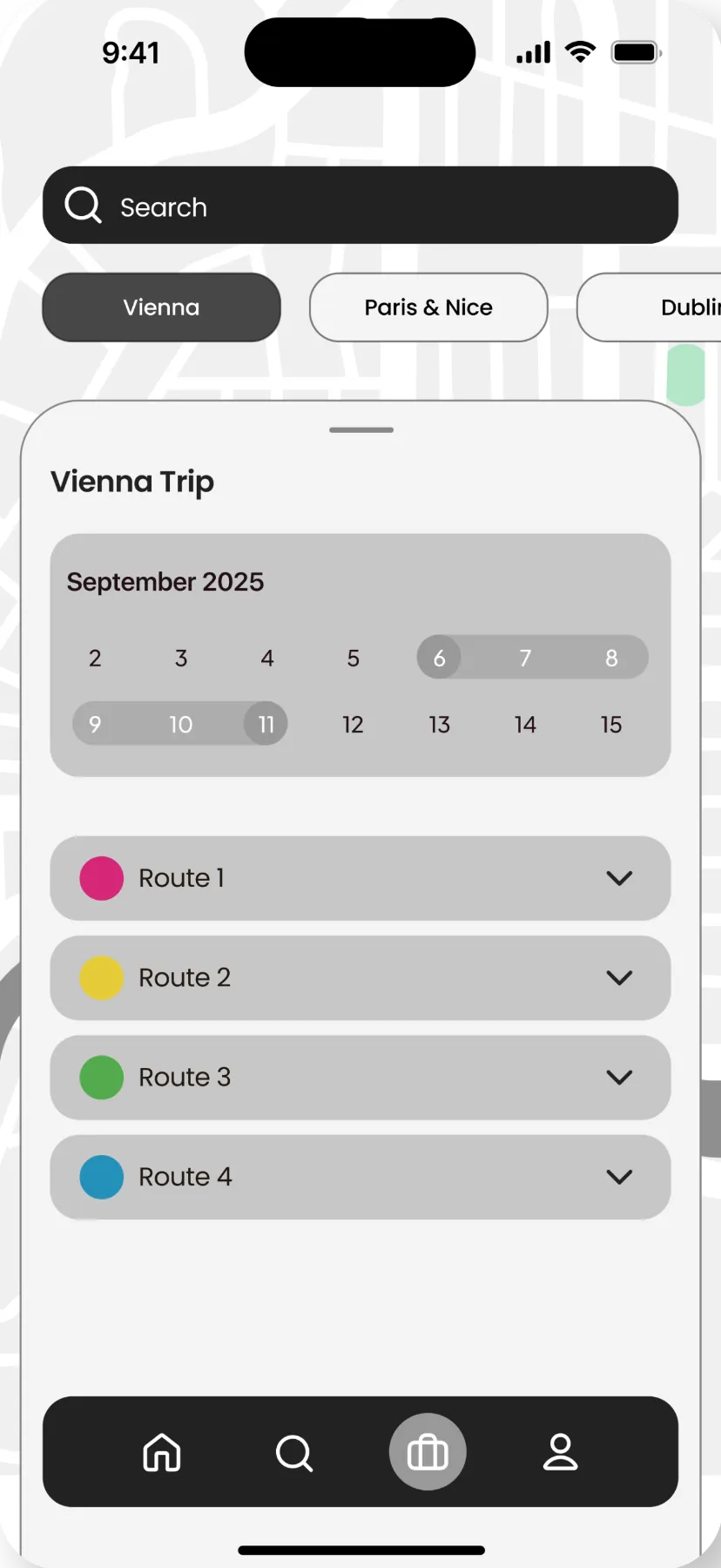
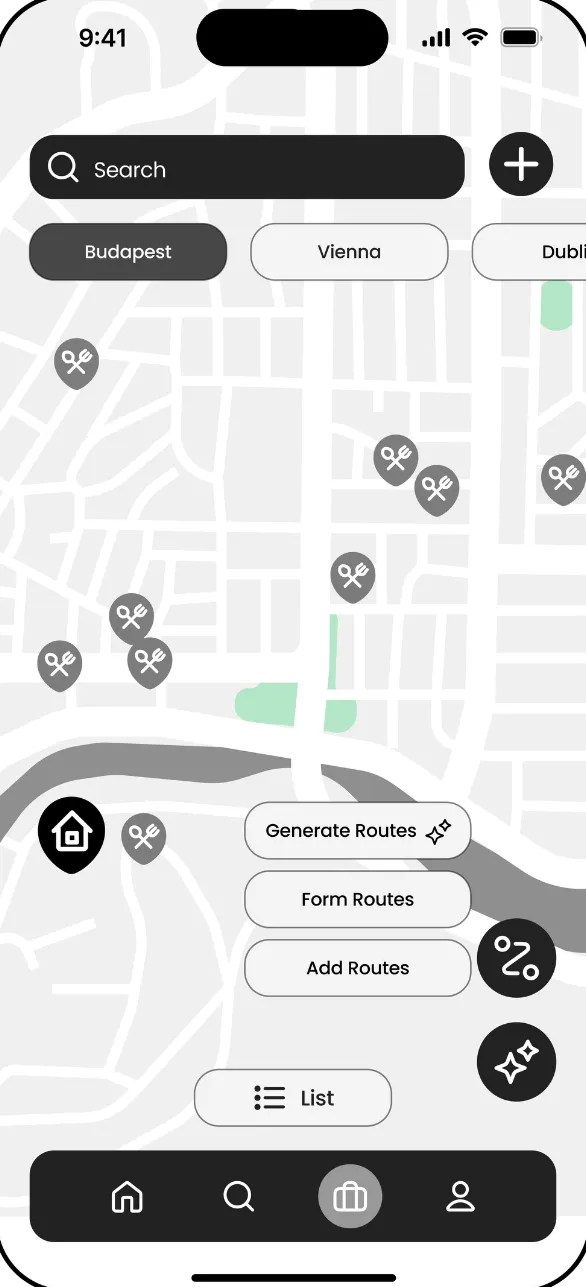
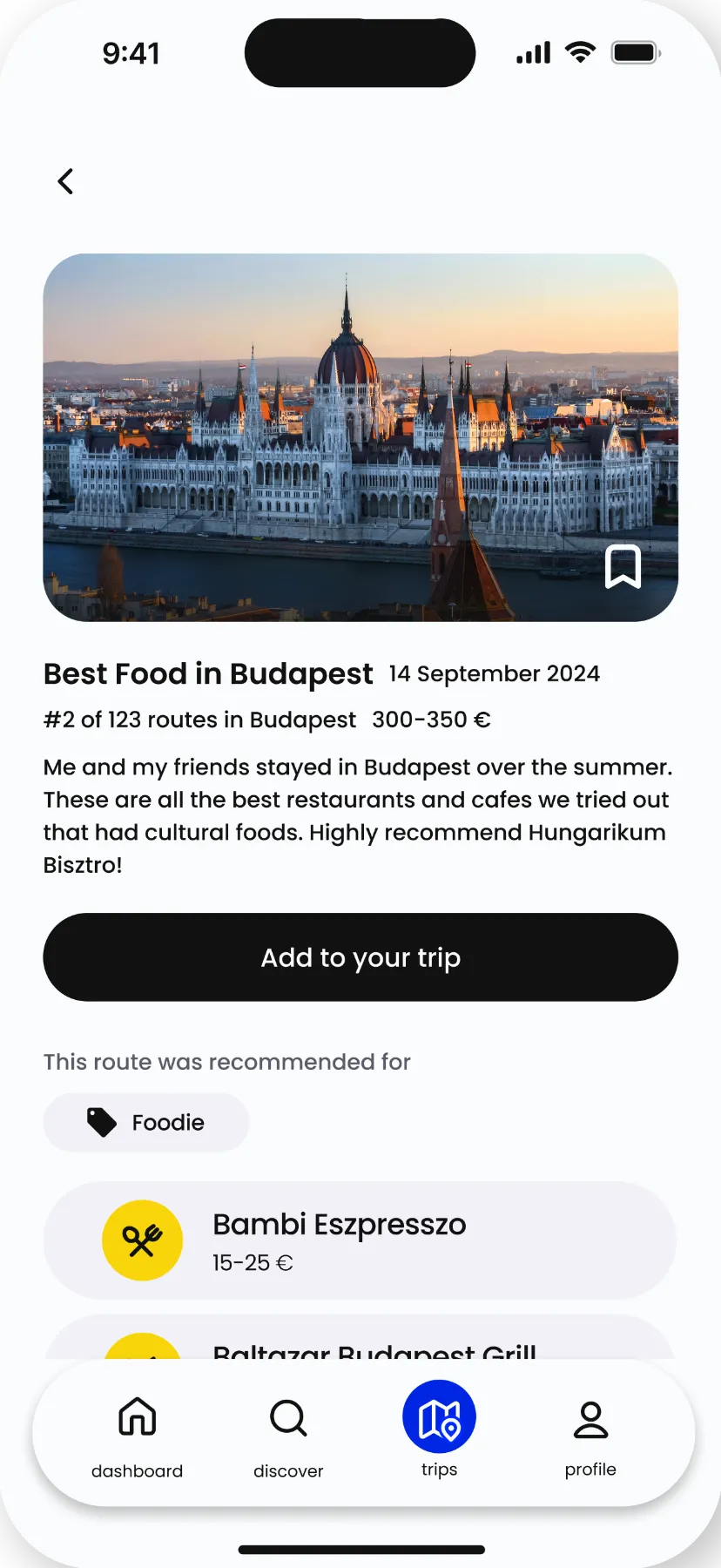
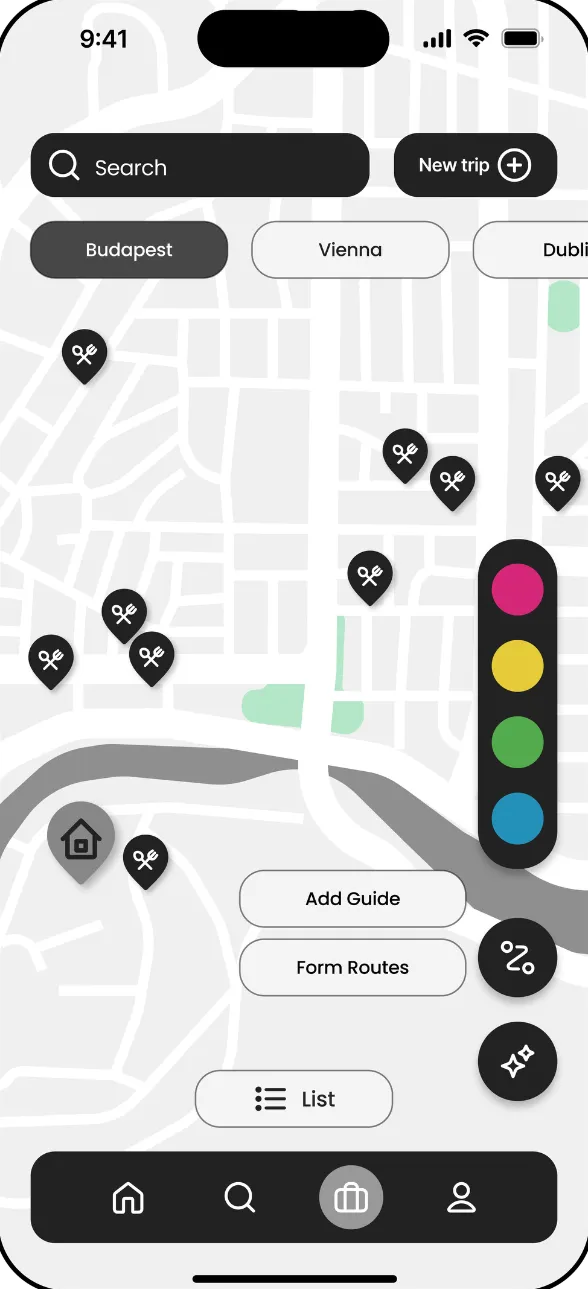
Add routes to your trip.
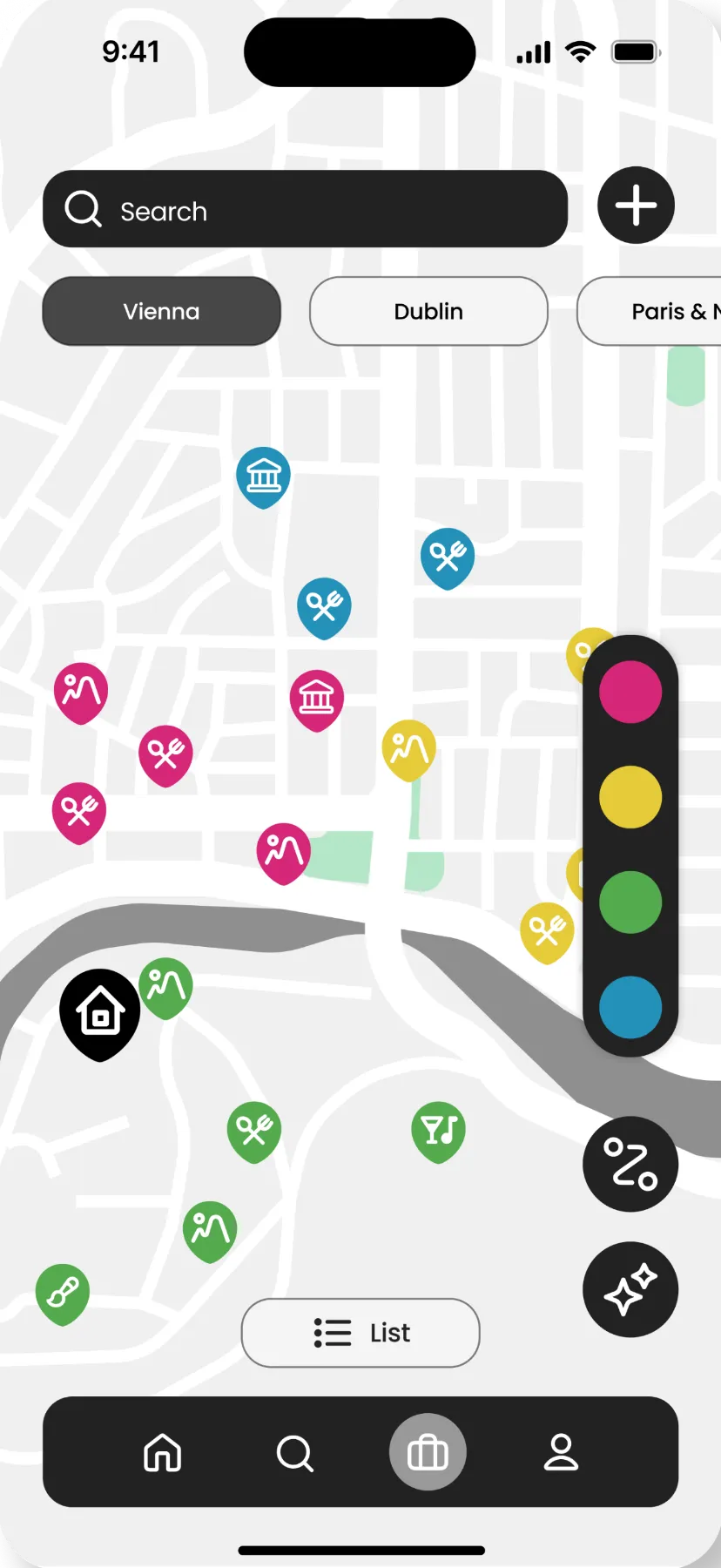
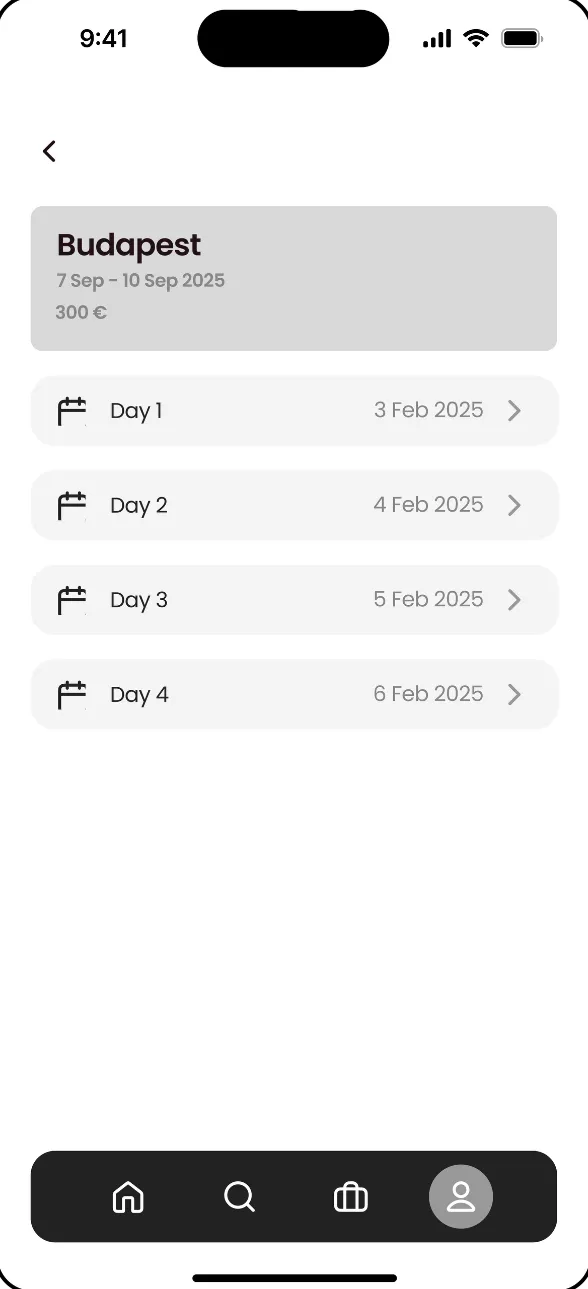
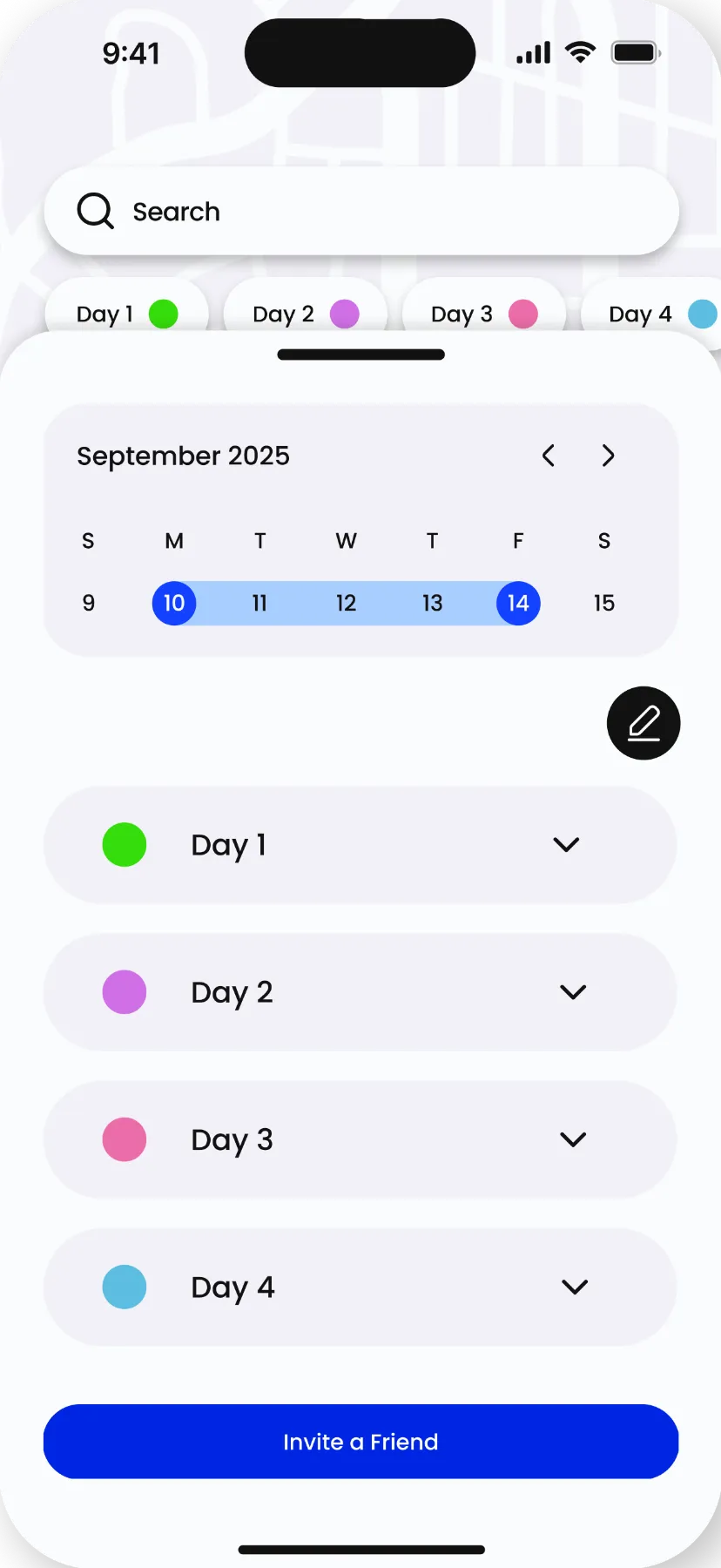
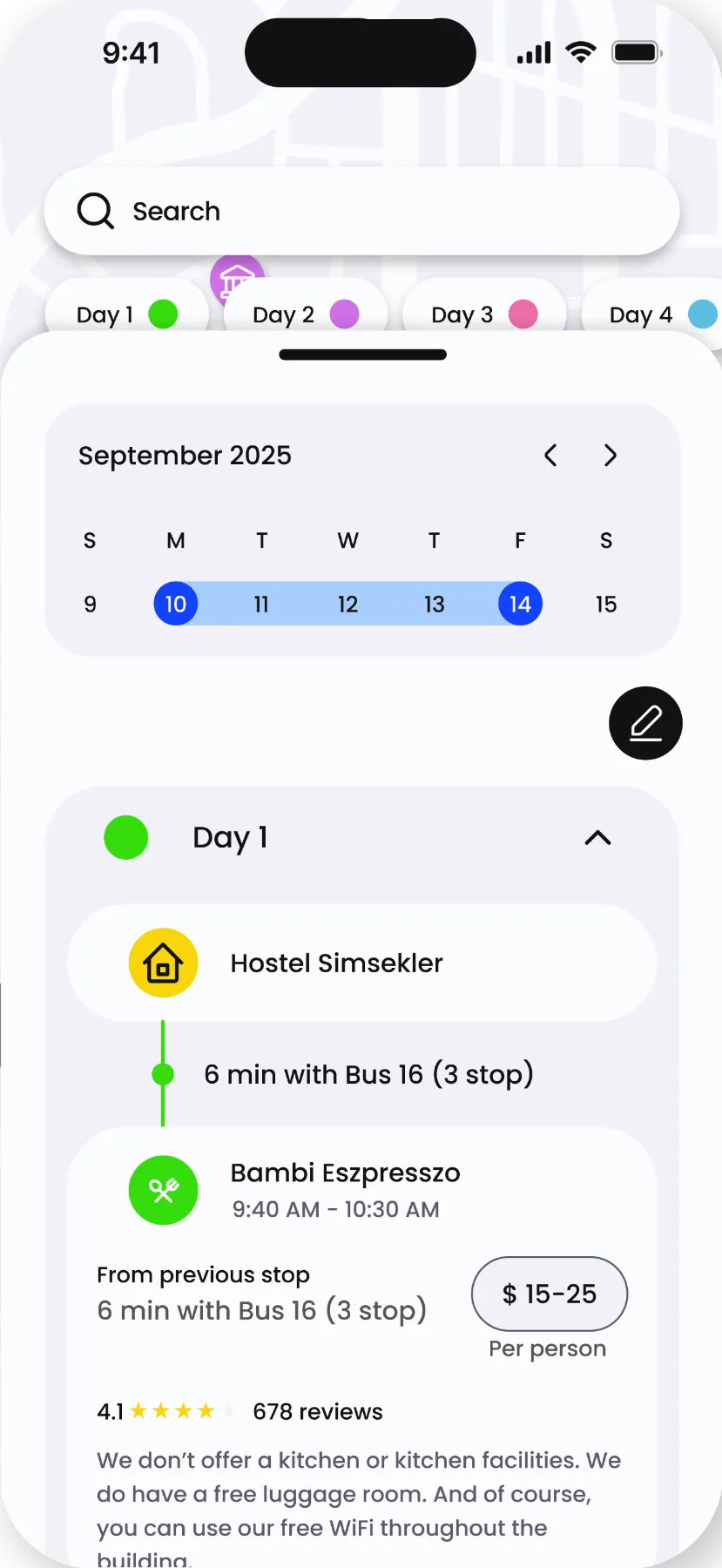
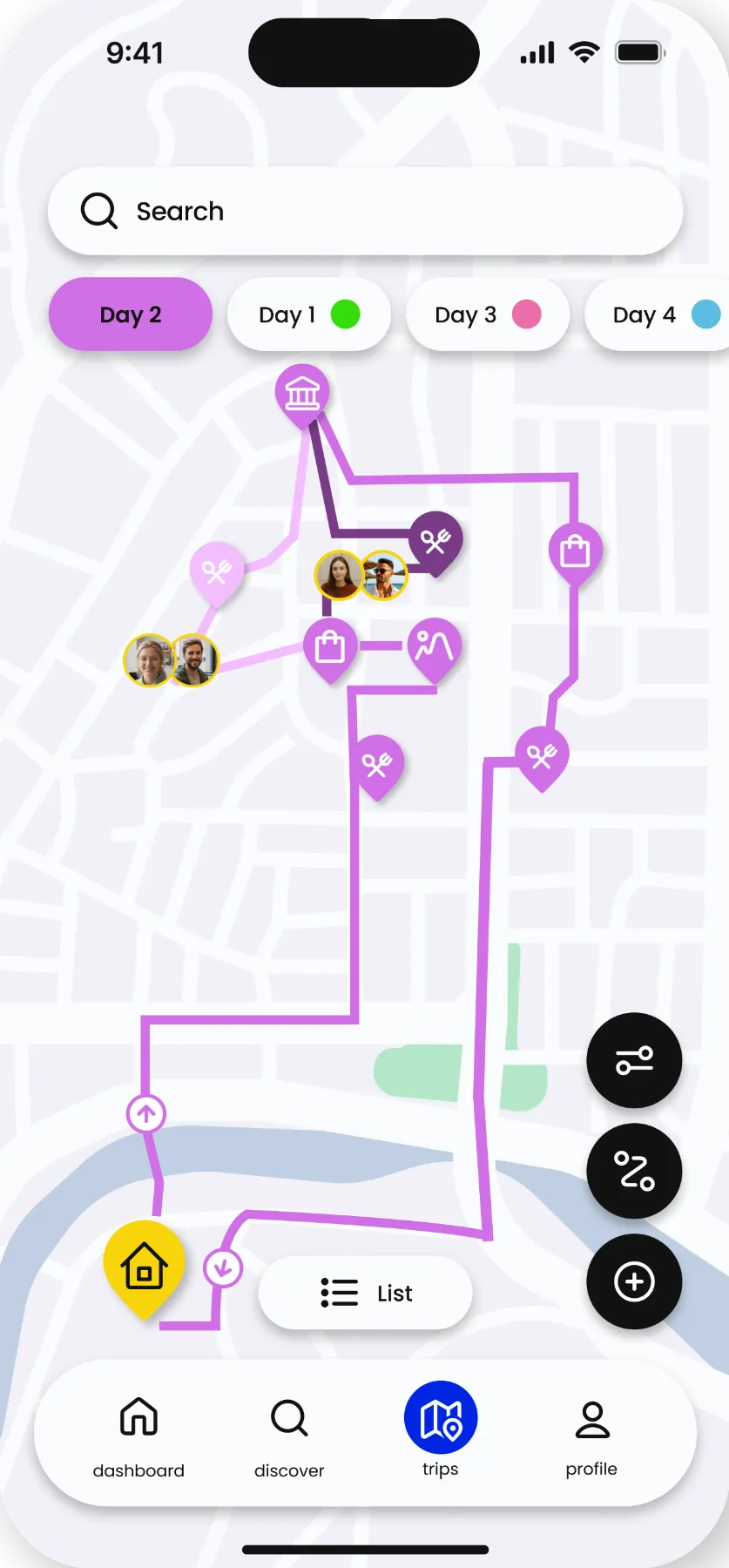
Color coded days to help you plan.
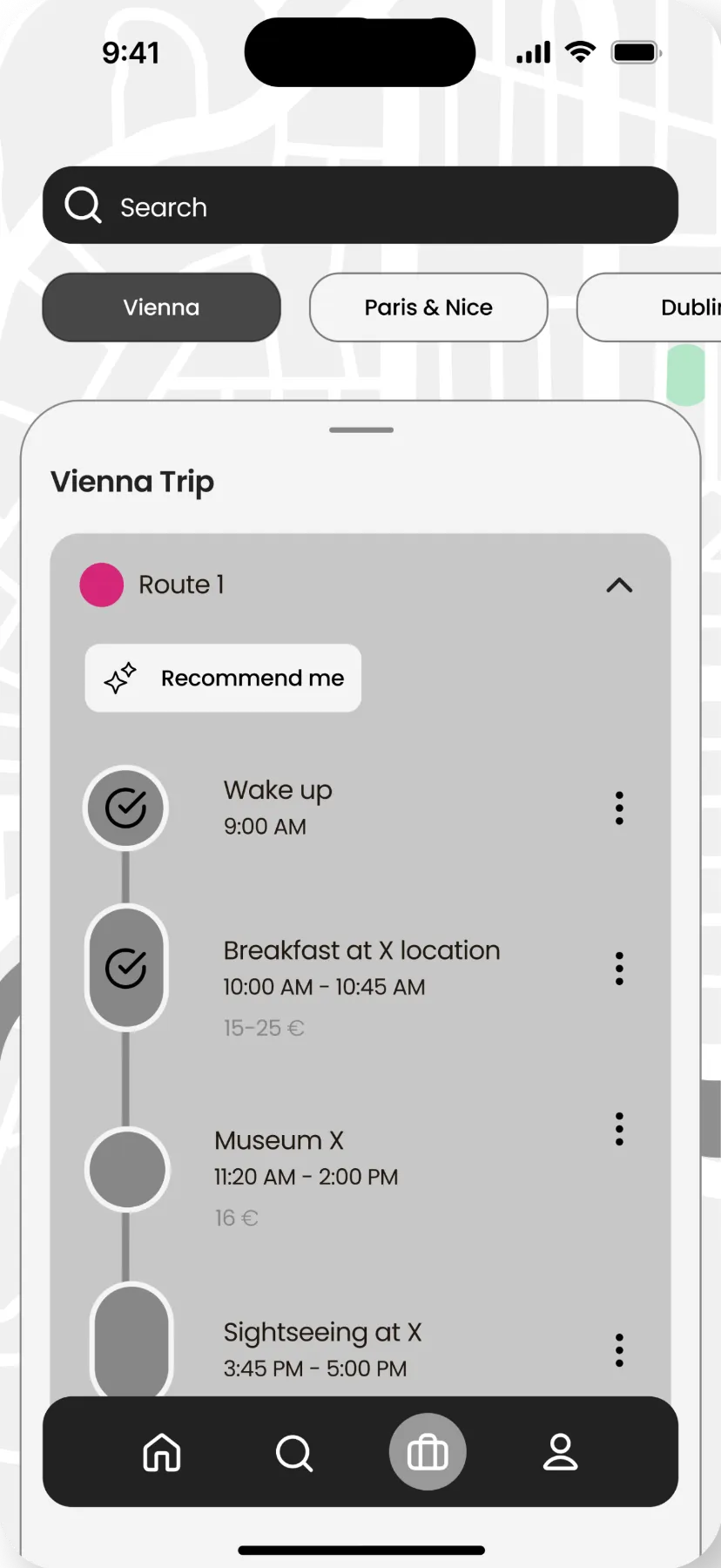
Each day’s steps planned out by AI.
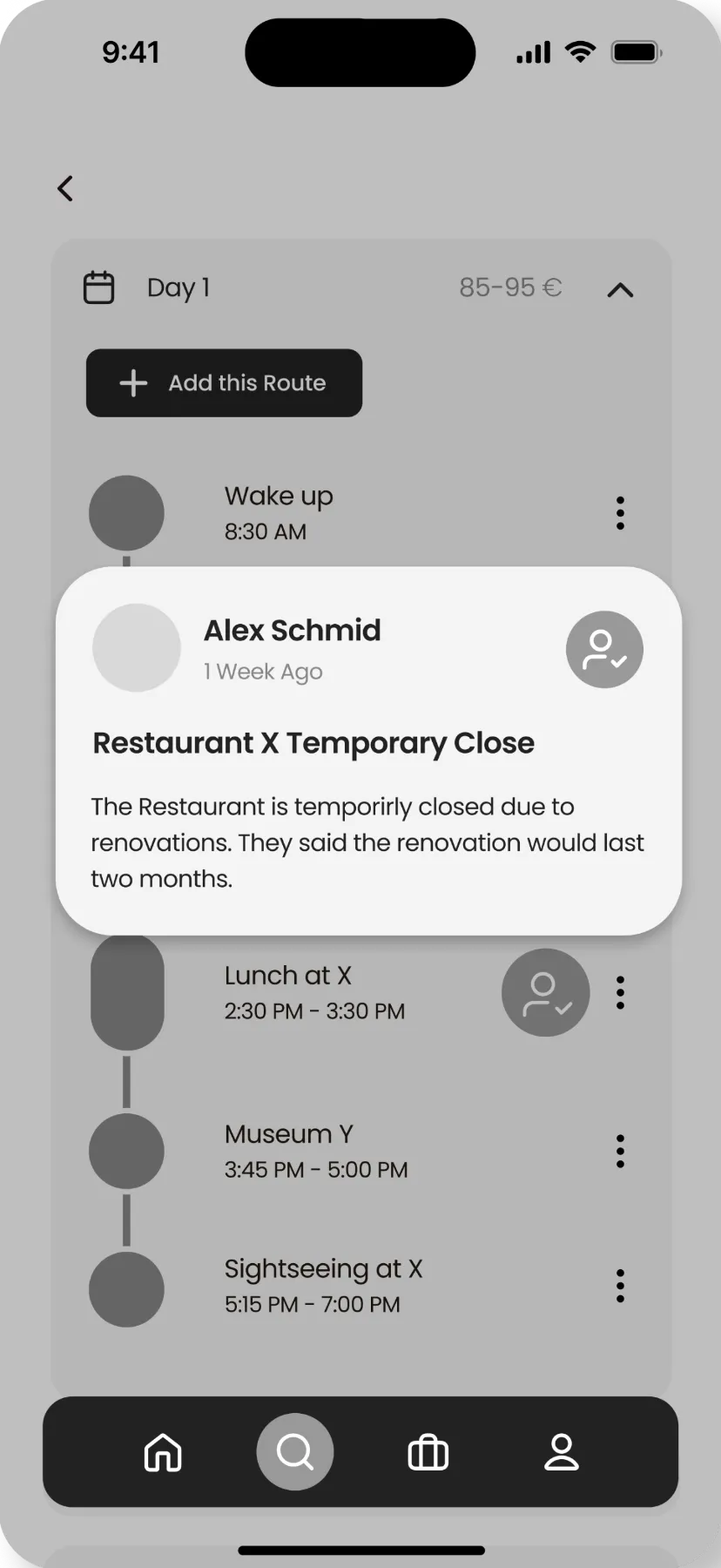
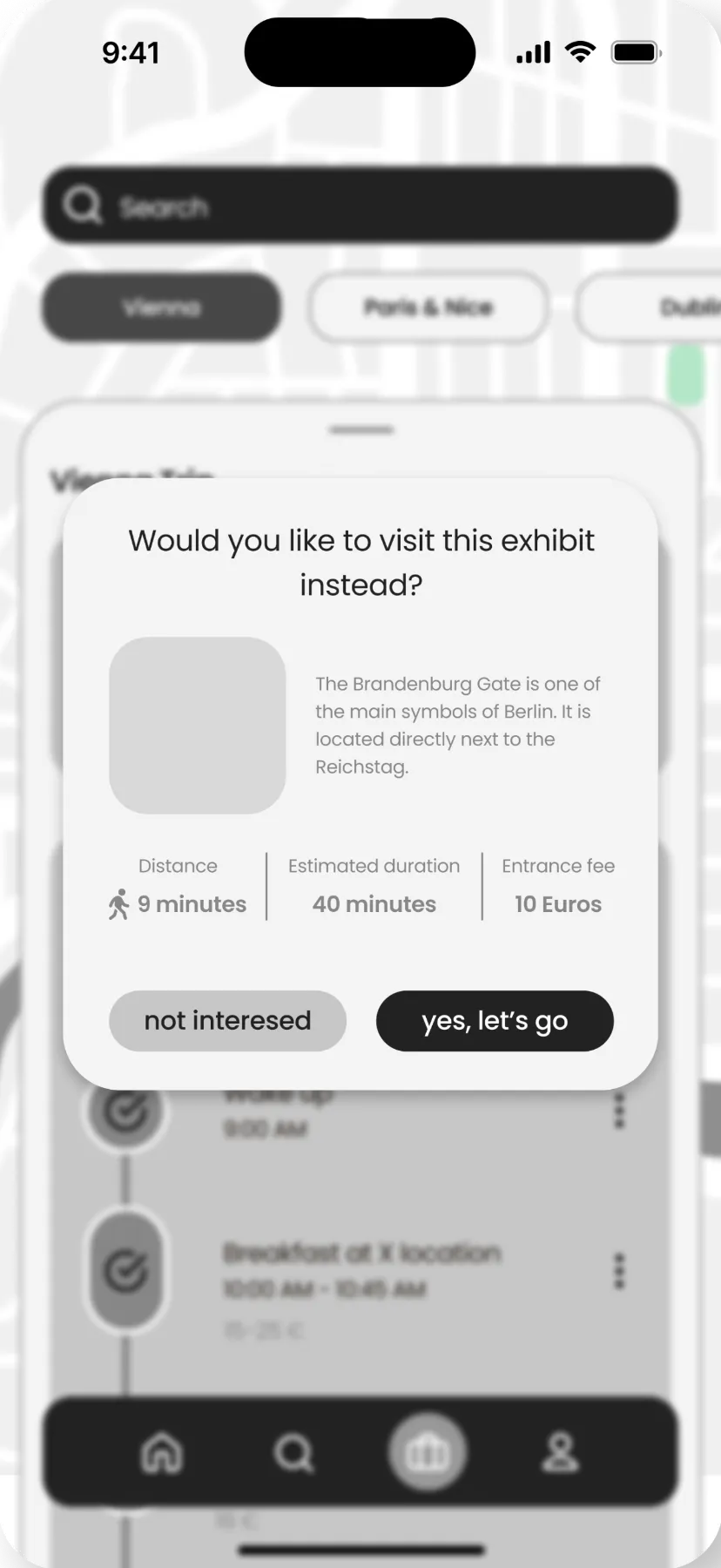
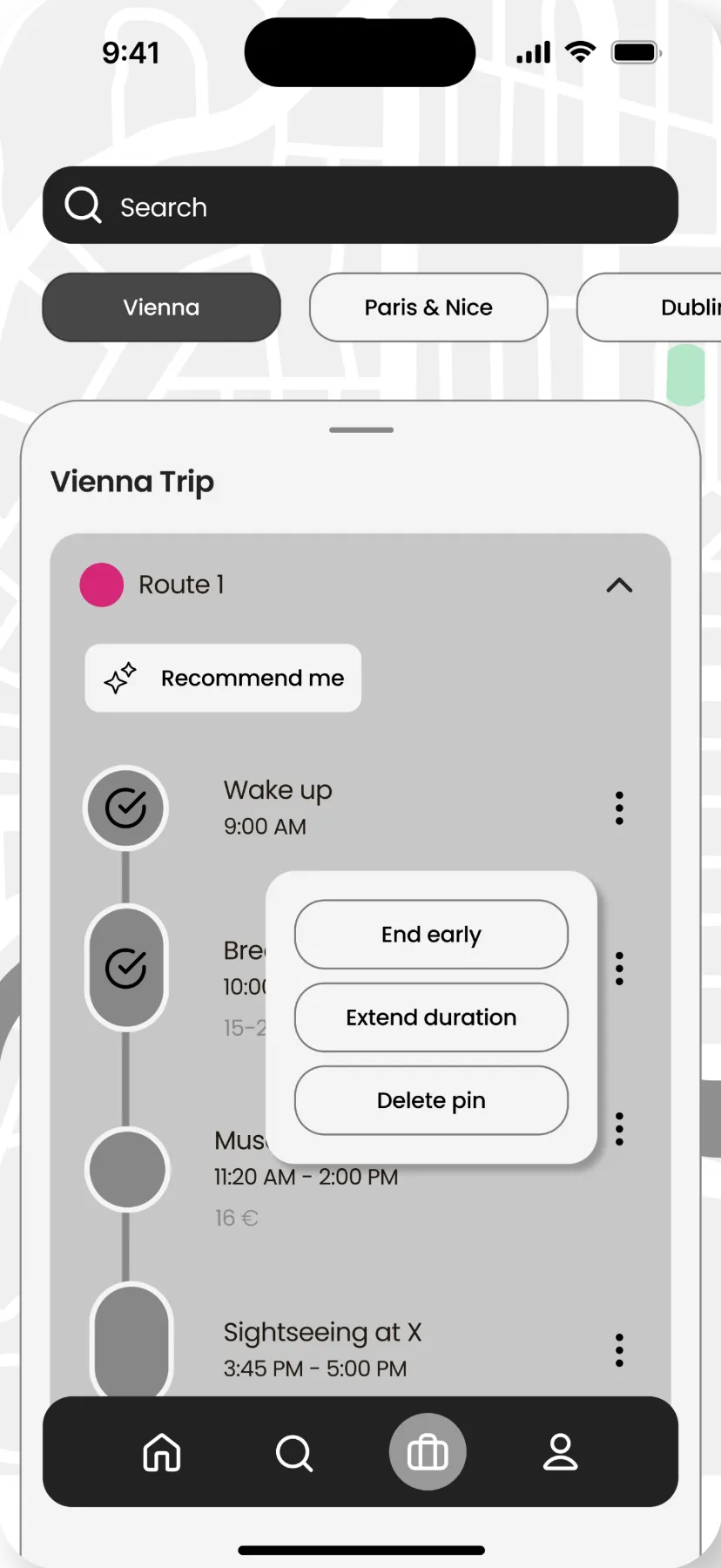
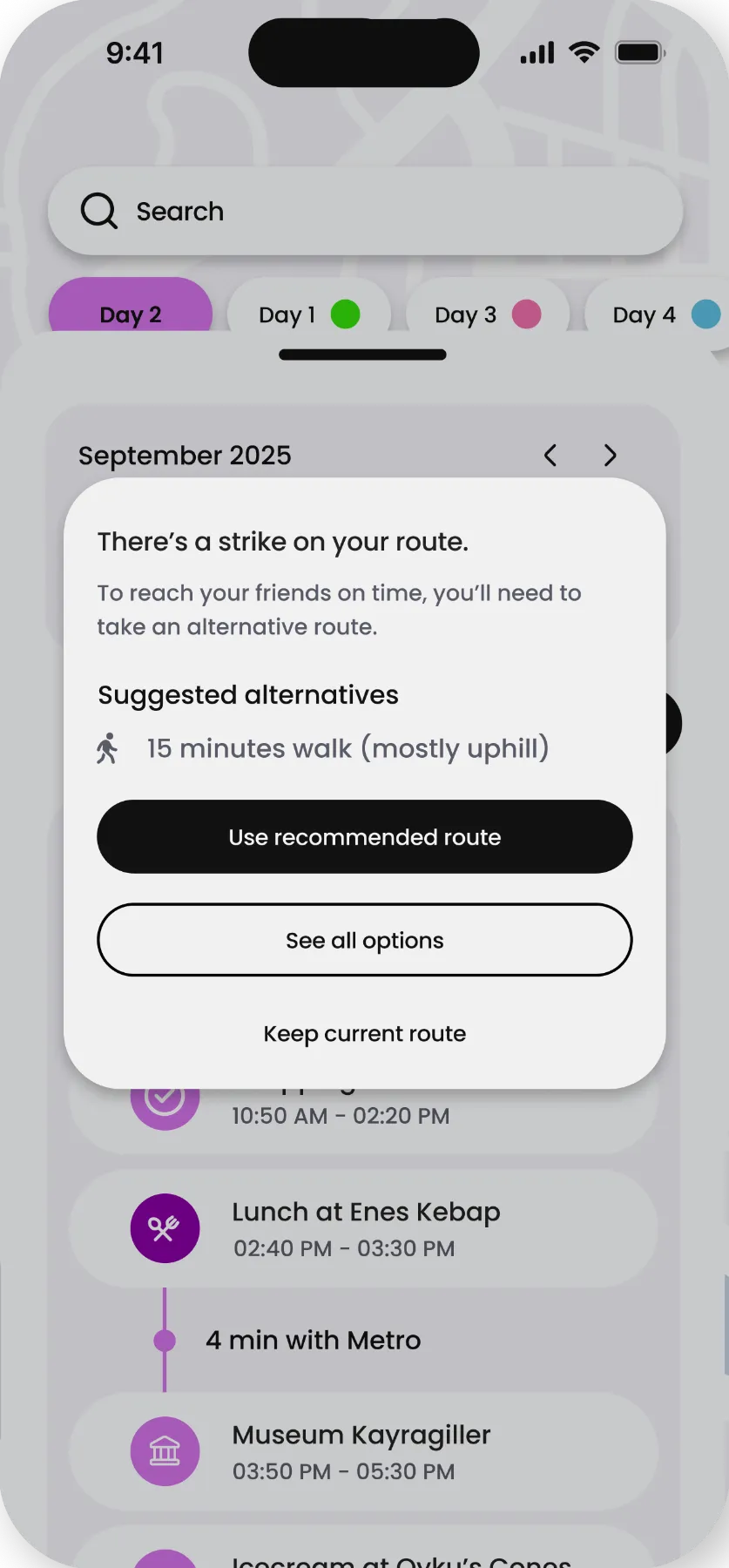
Plans adapt to spontaneous changes.
Updates so nothing can blindside you.
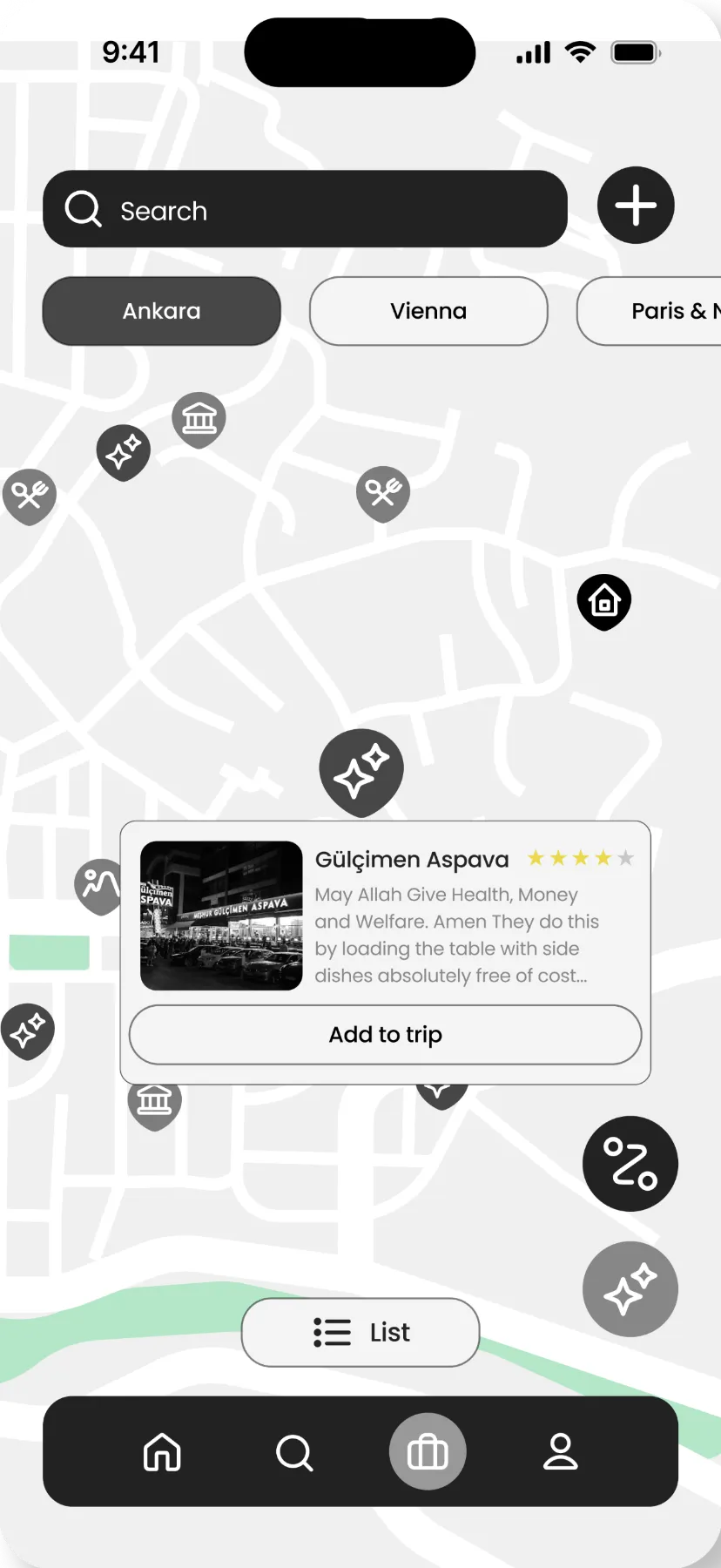
See details and directions.
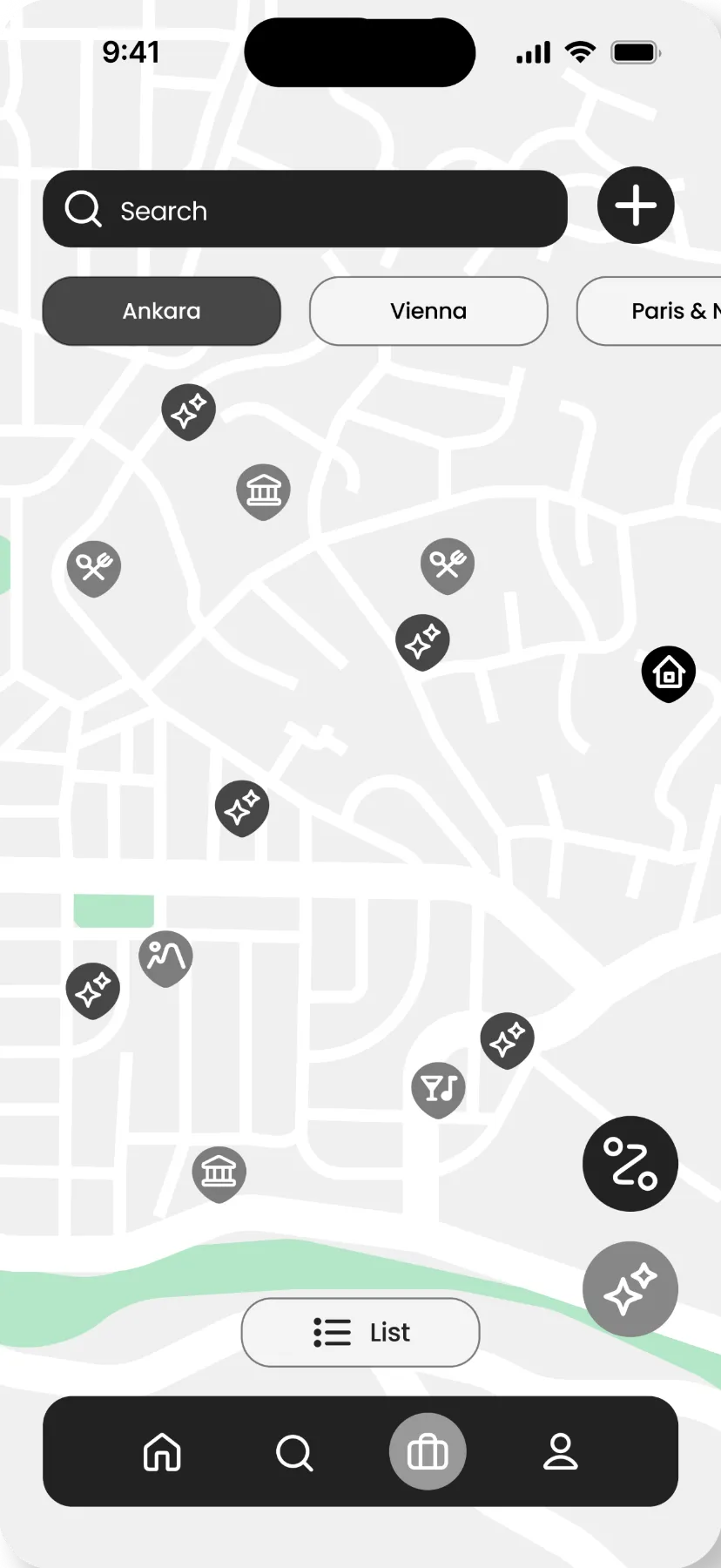
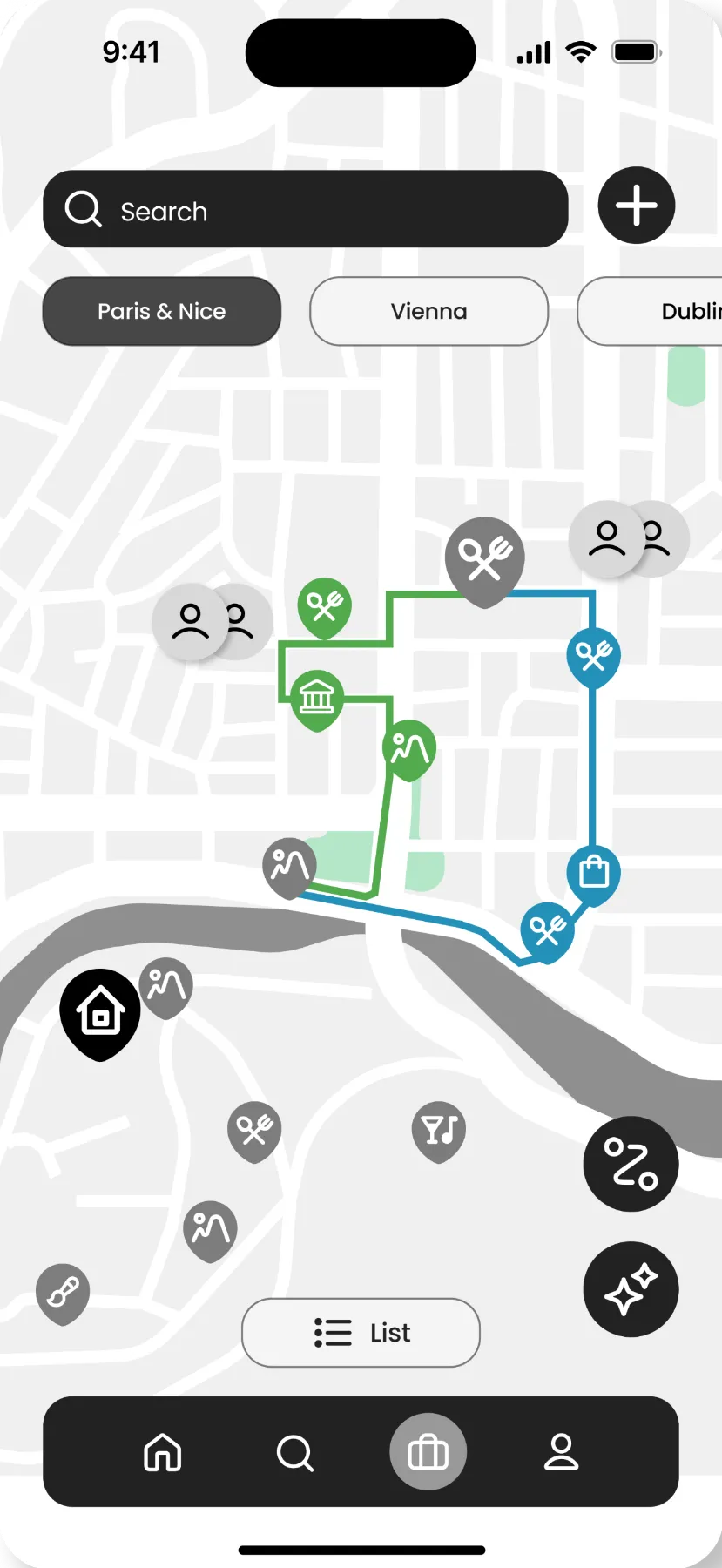
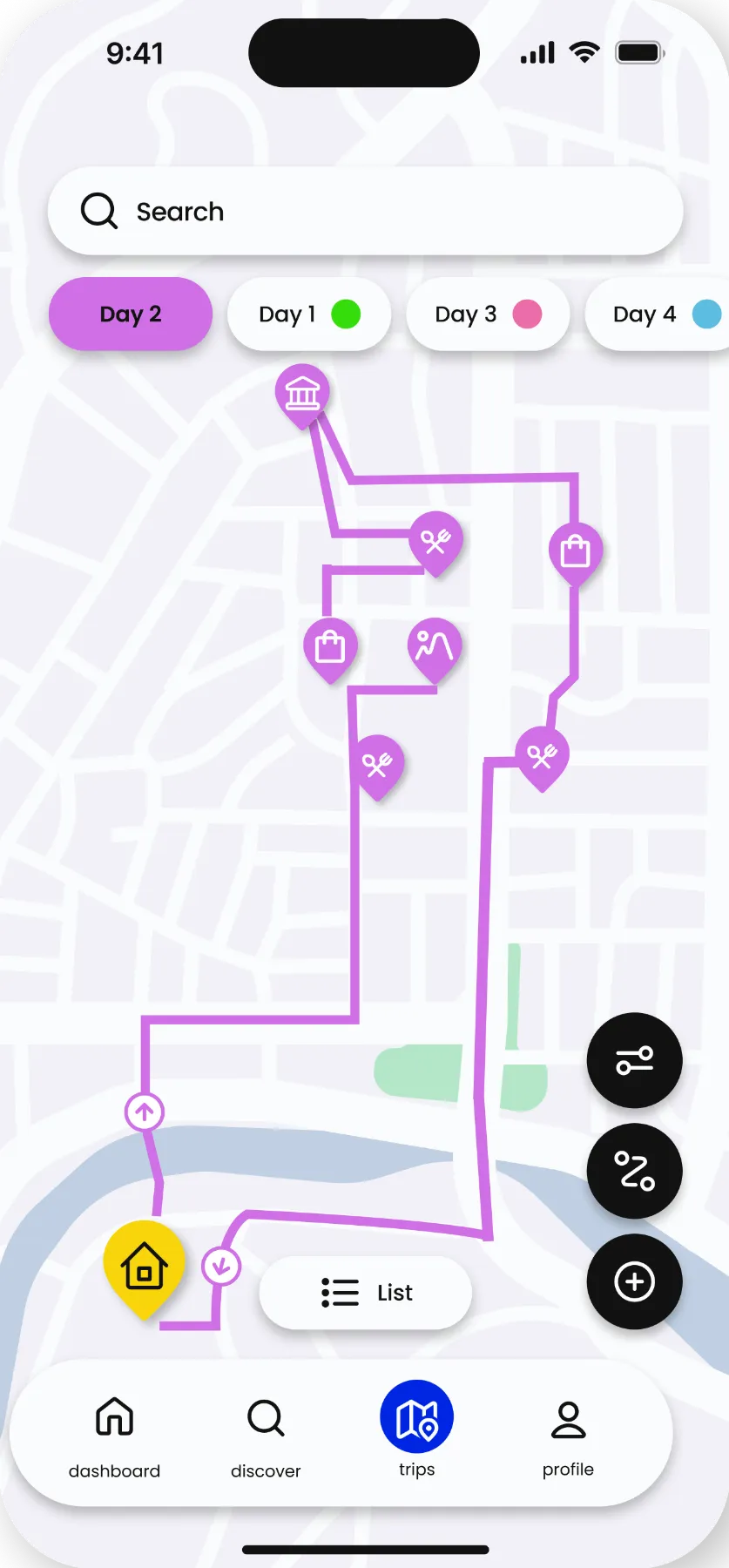
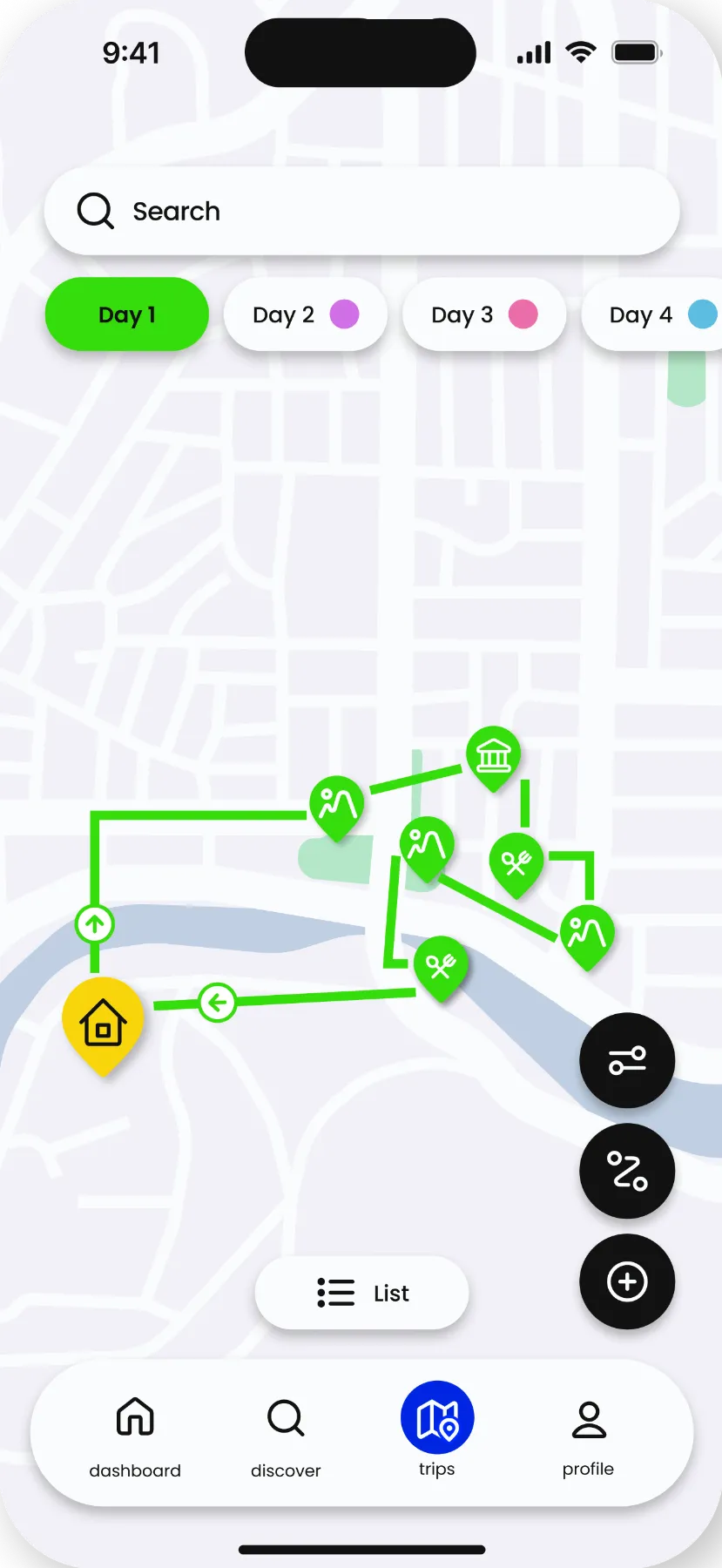
See the plans for each day on the map.
Separate group plans visible on map.
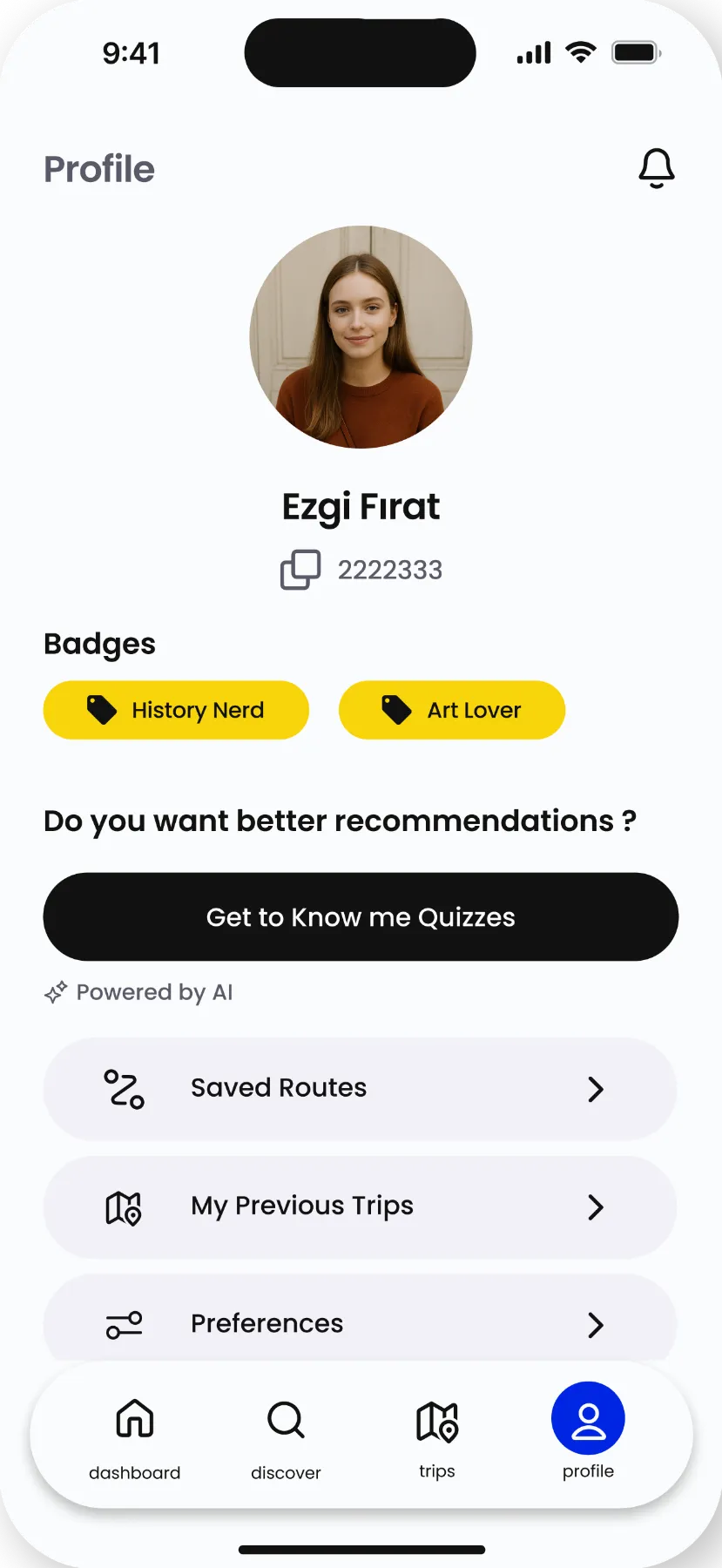
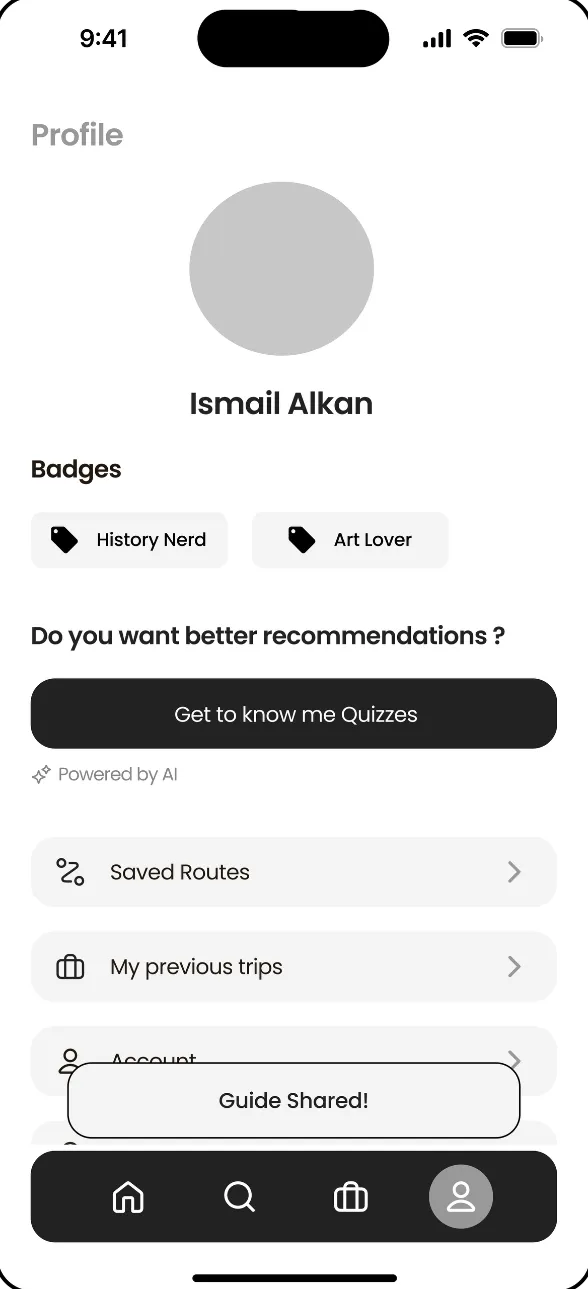
Reach more quizzes on profile.
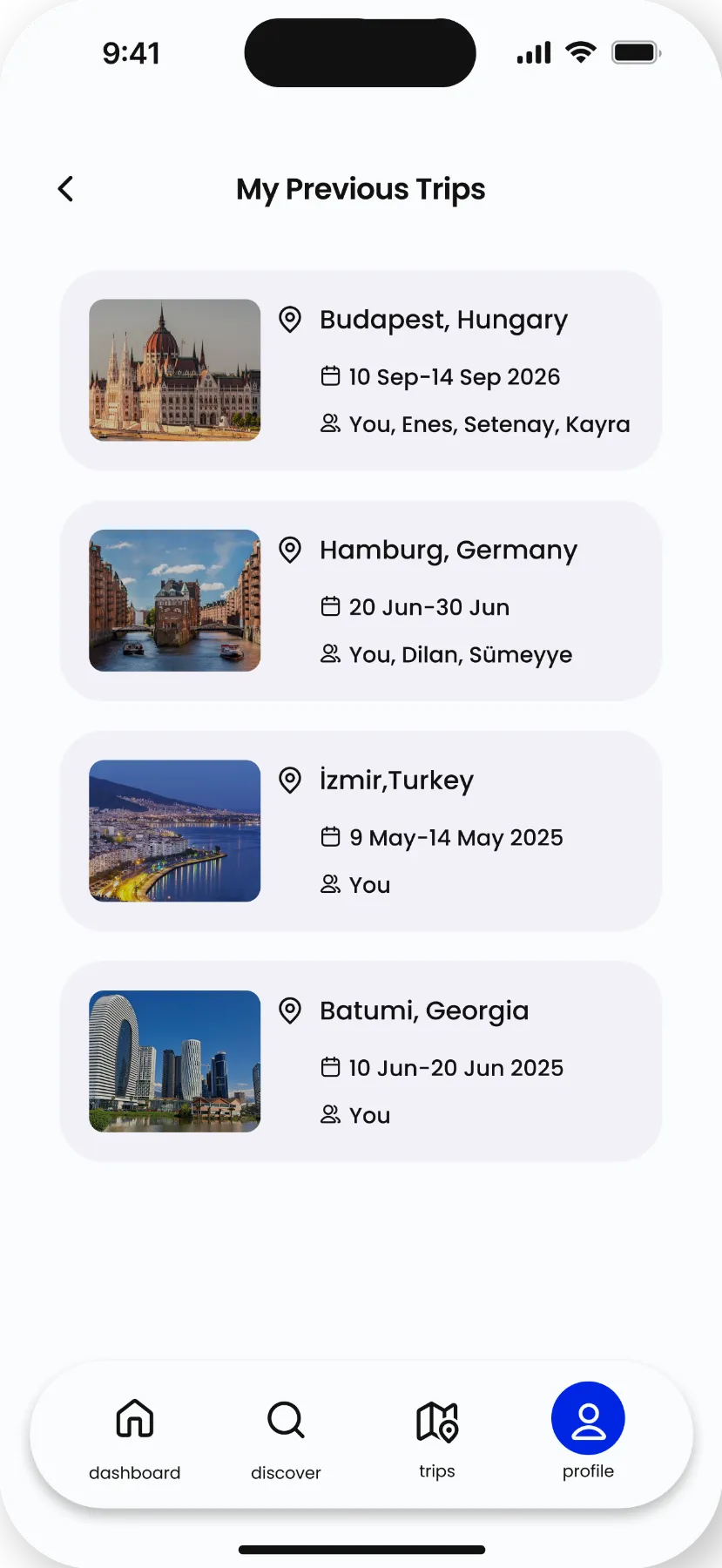
View past trips from your profile.
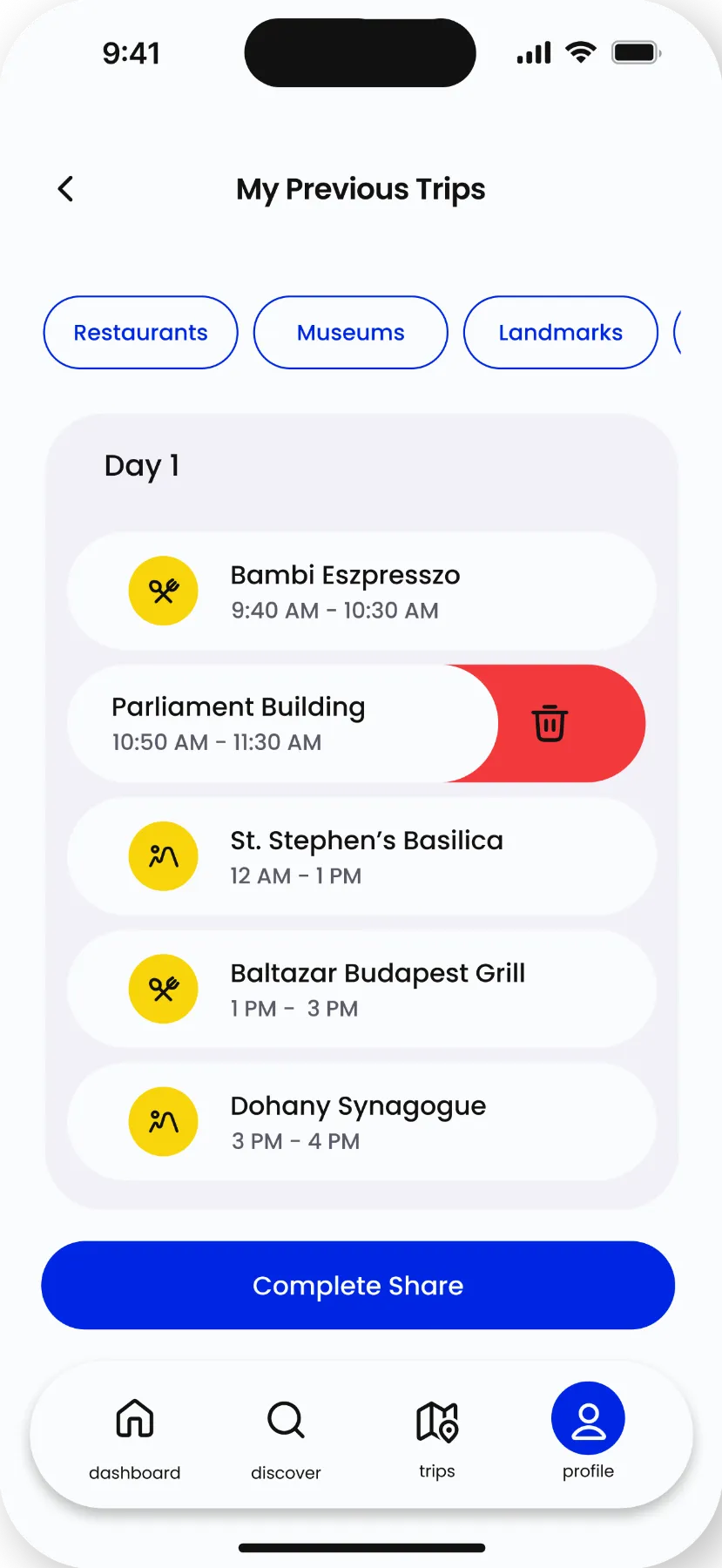
Slide and delete unrecommended spots.
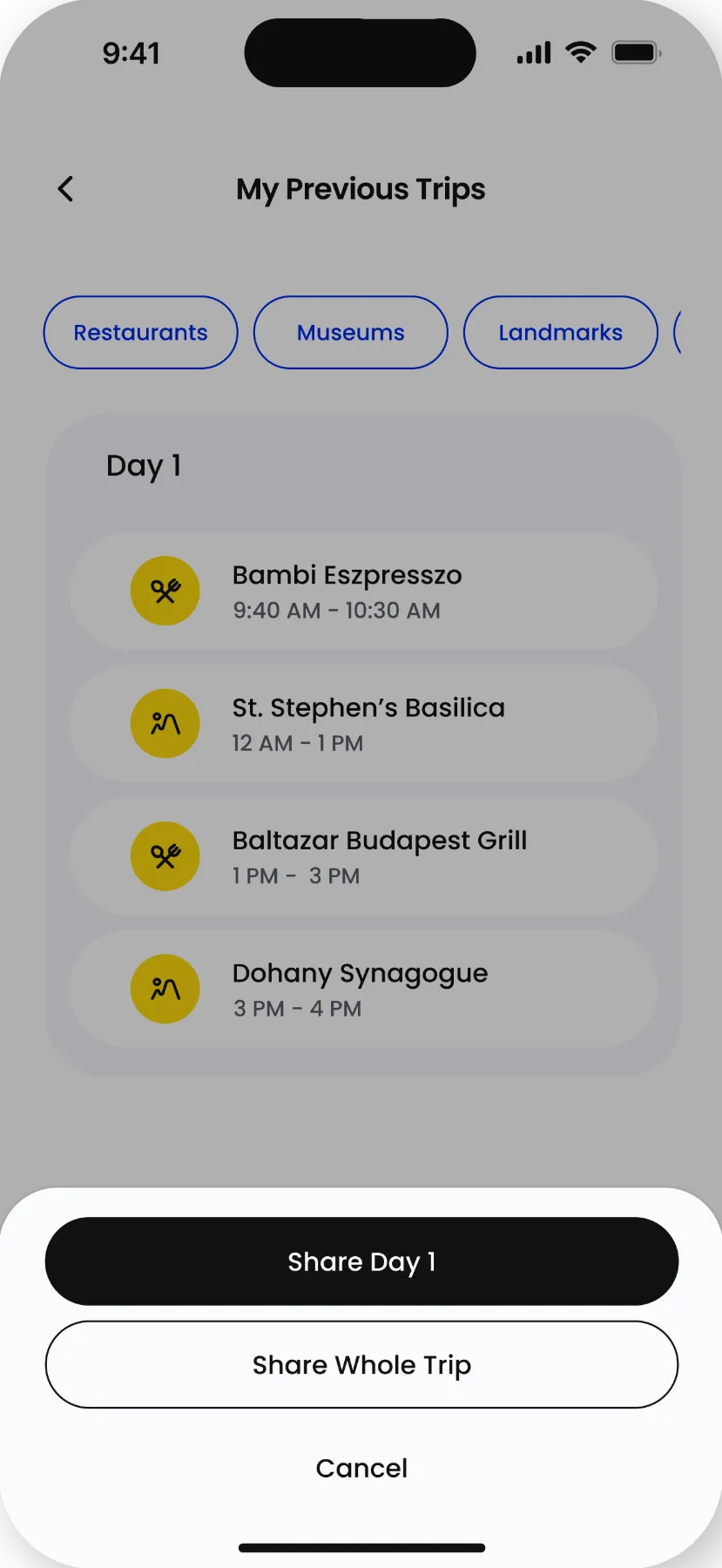
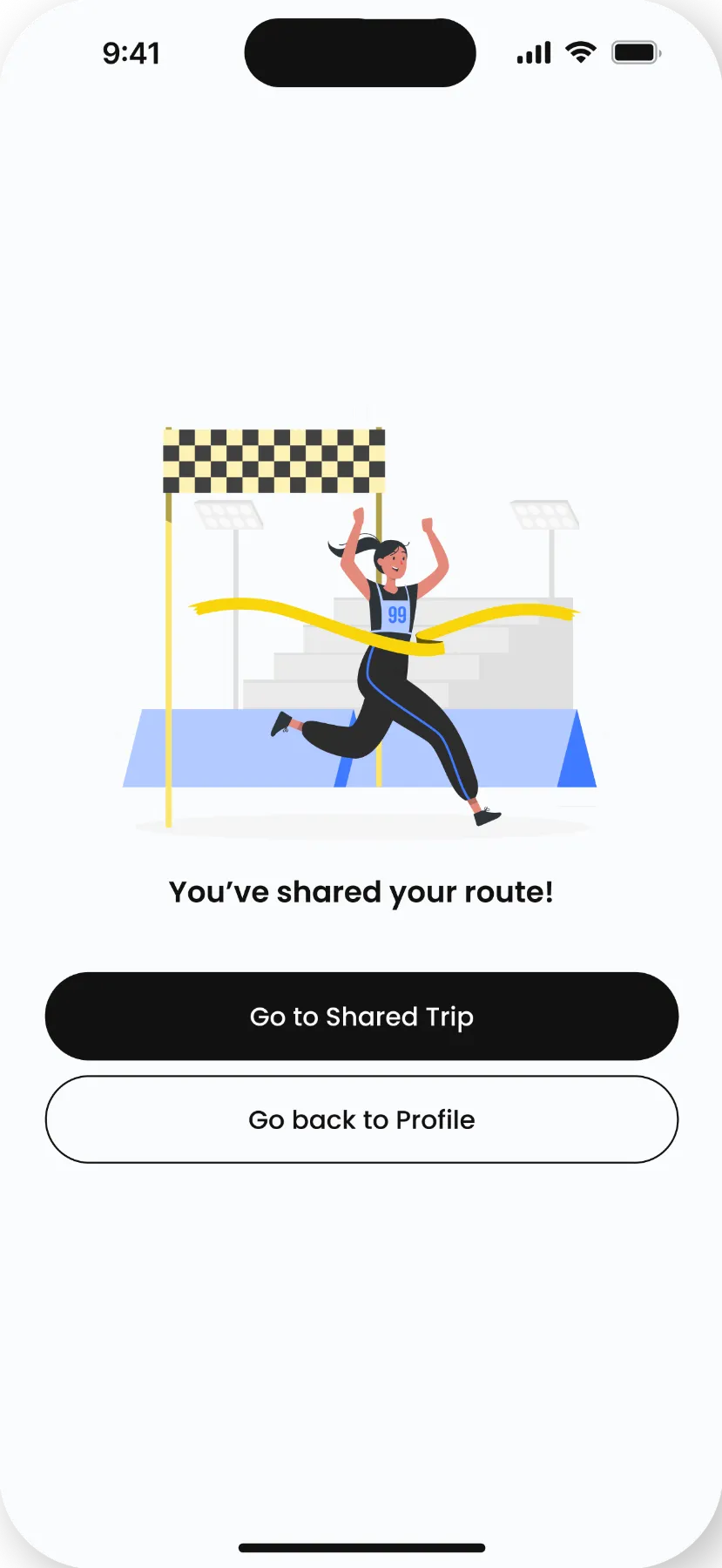
Share the whole trip or individual days.
Share your trips on discover page.
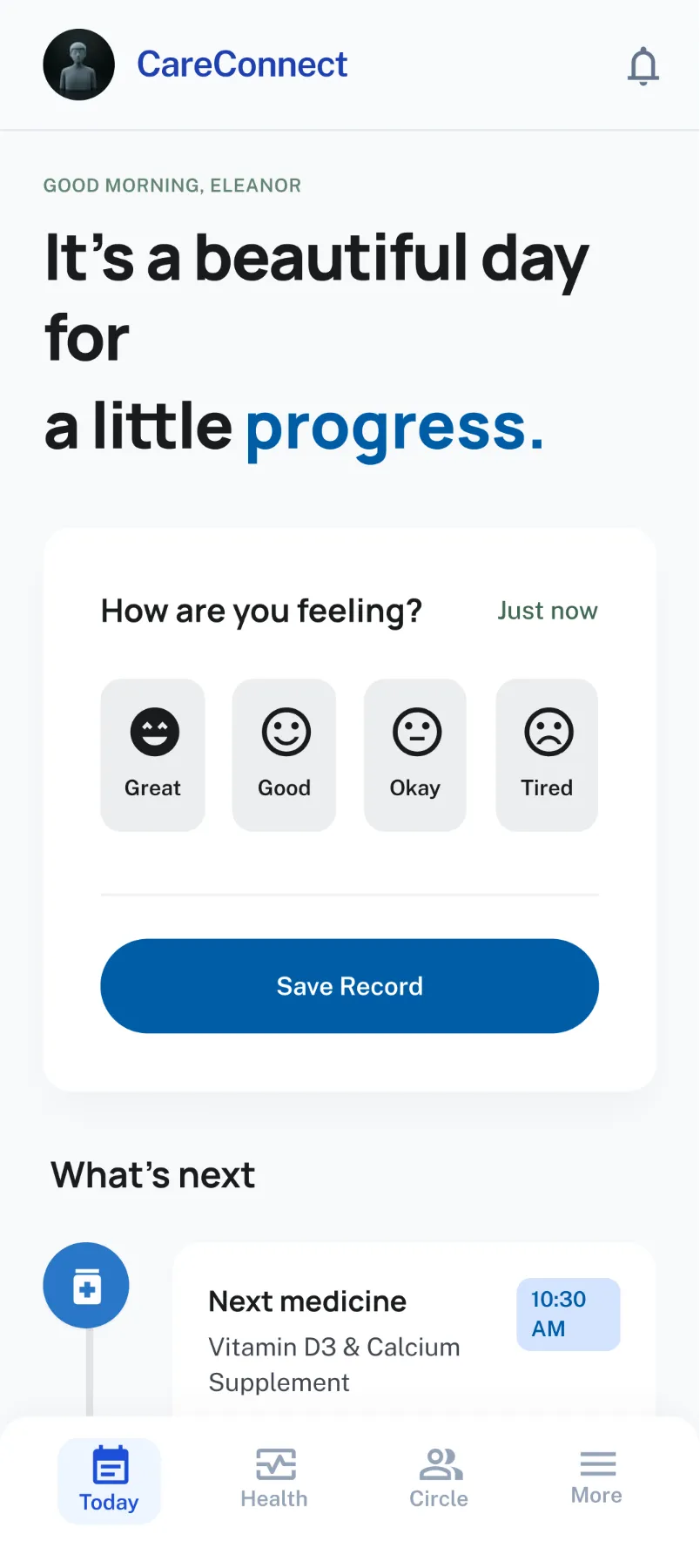
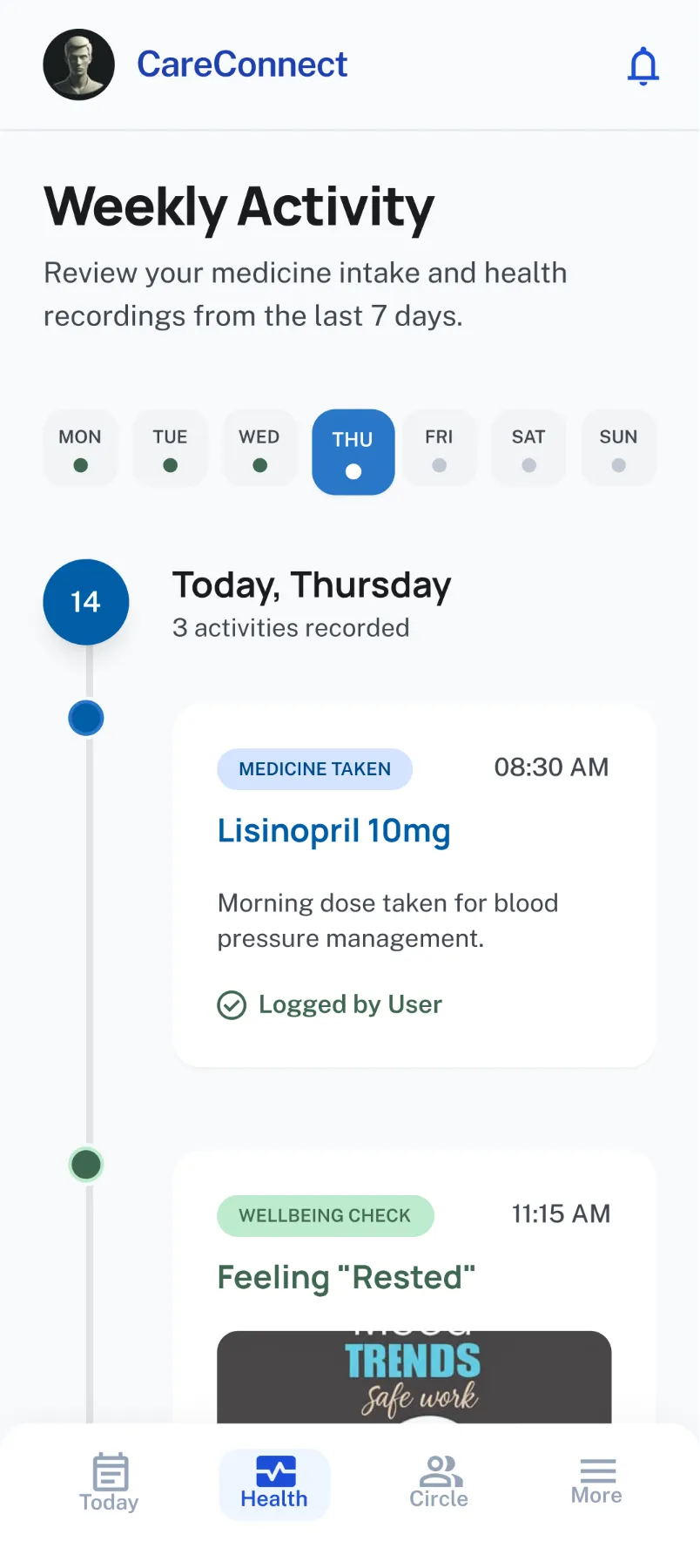
Modular organization, smart tracking. A product-service system that connects patients, professional caregivers and families in adult home care.
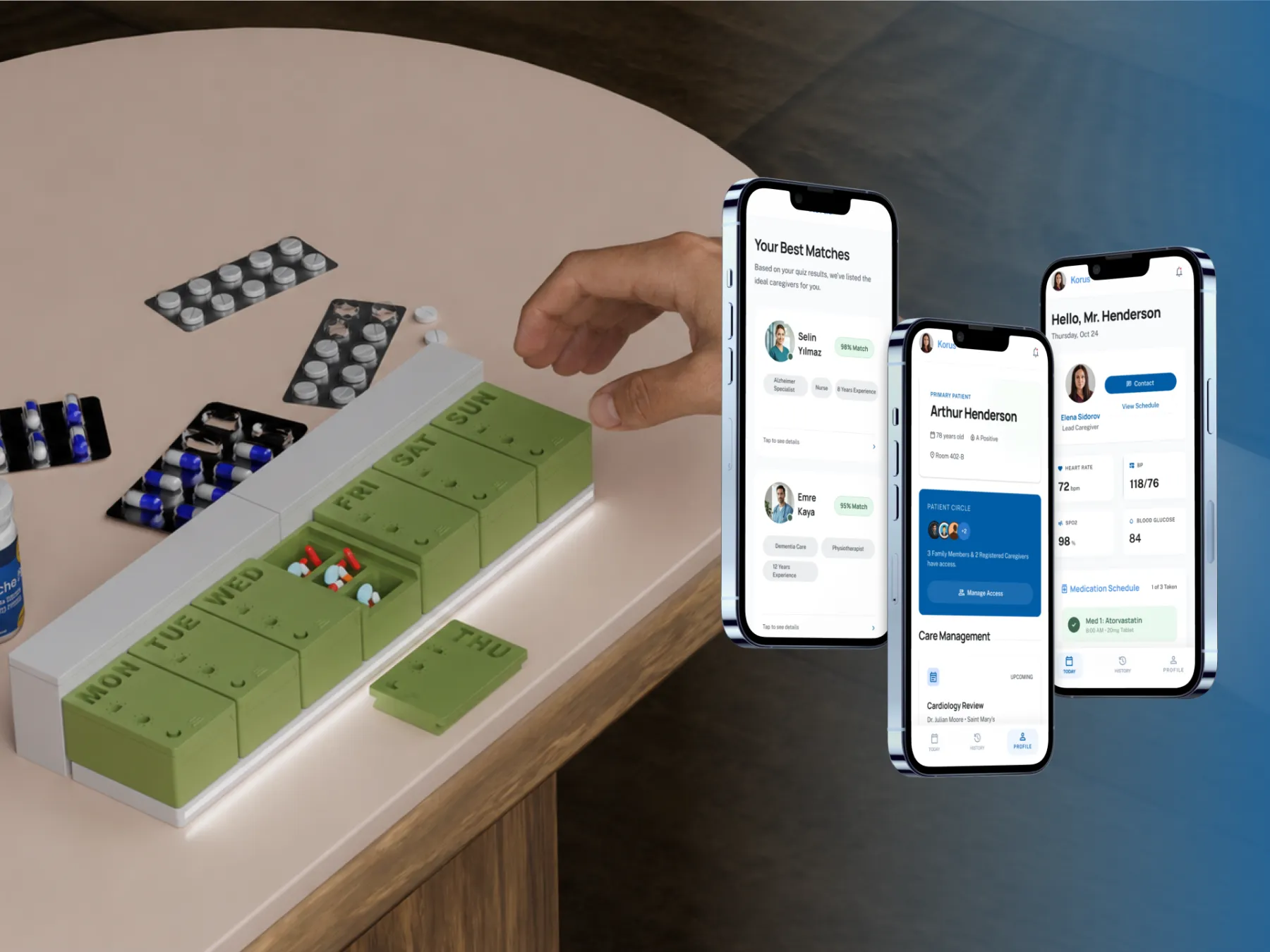
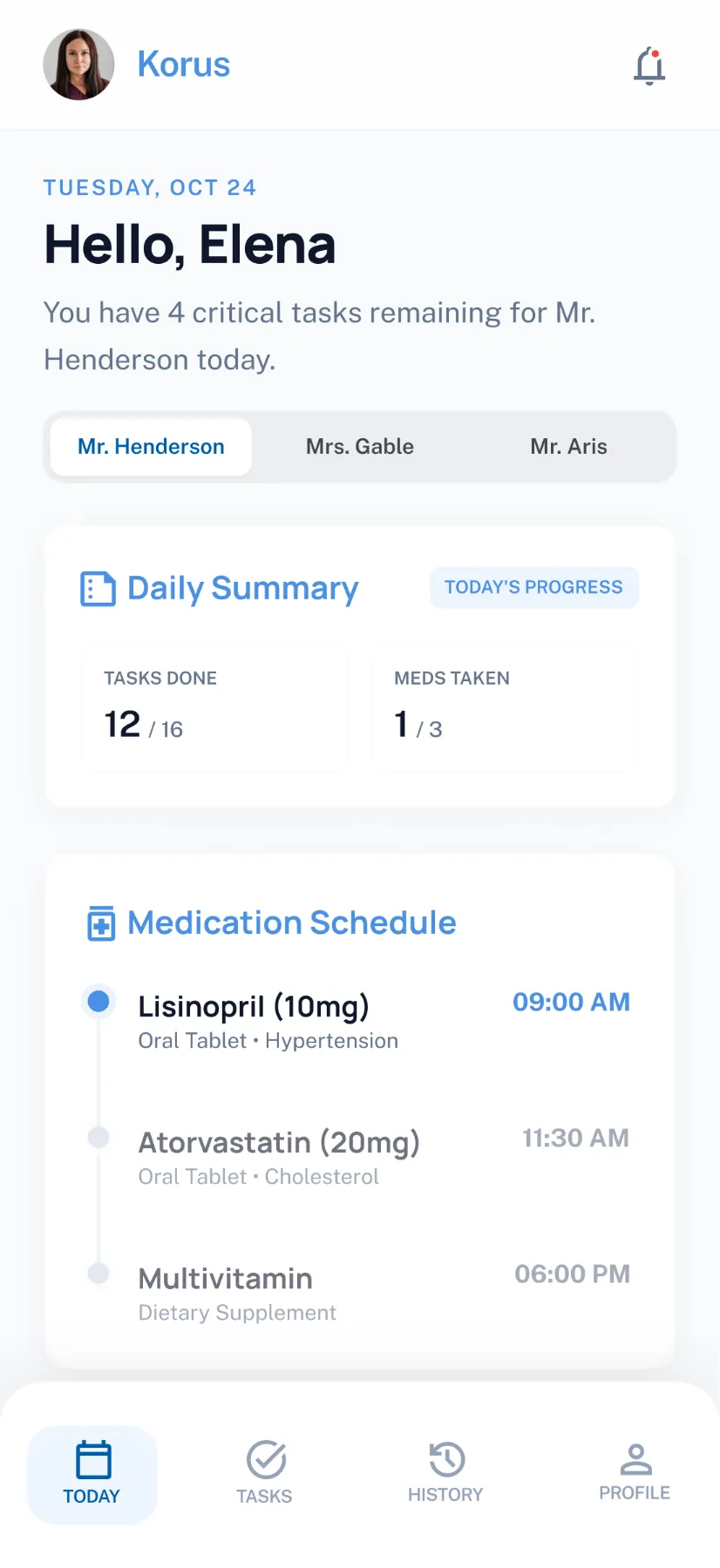
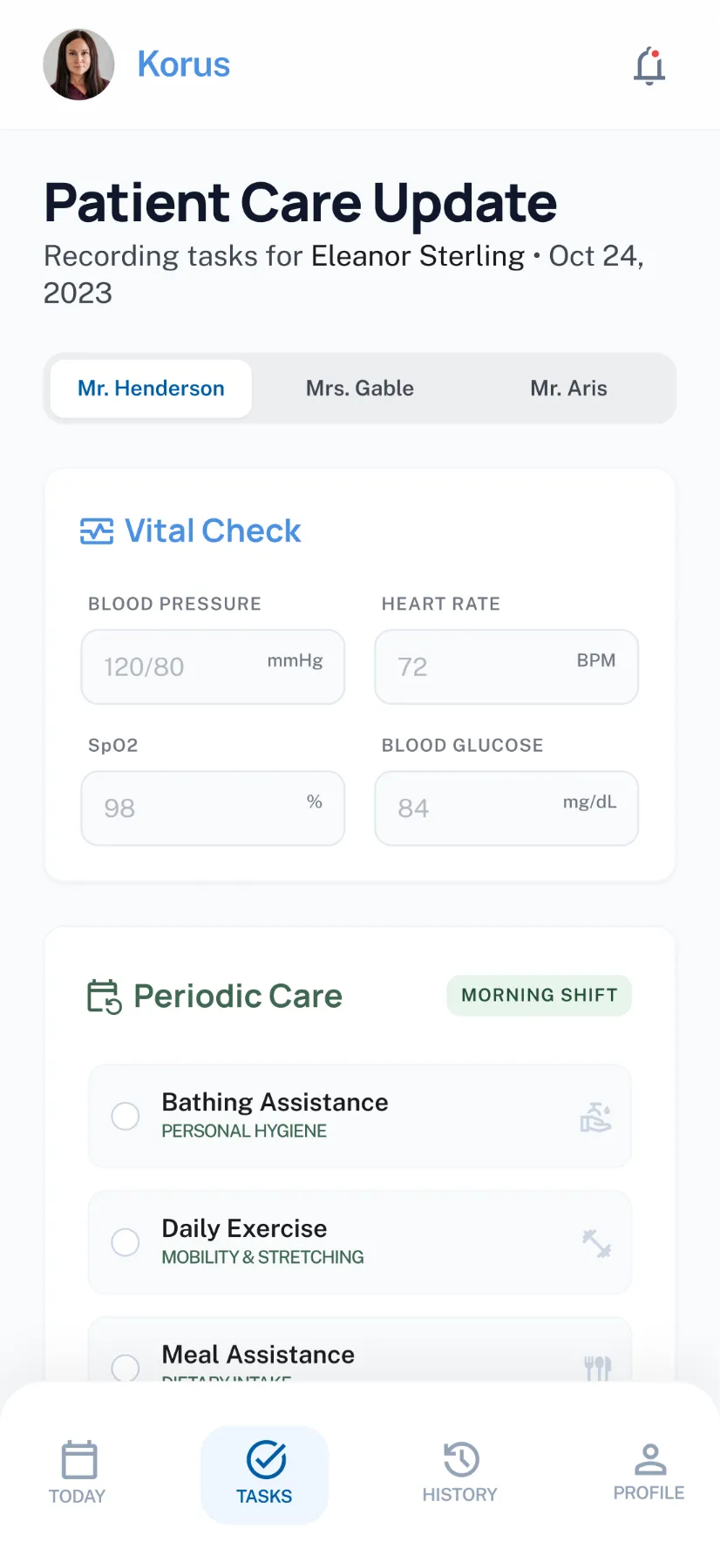
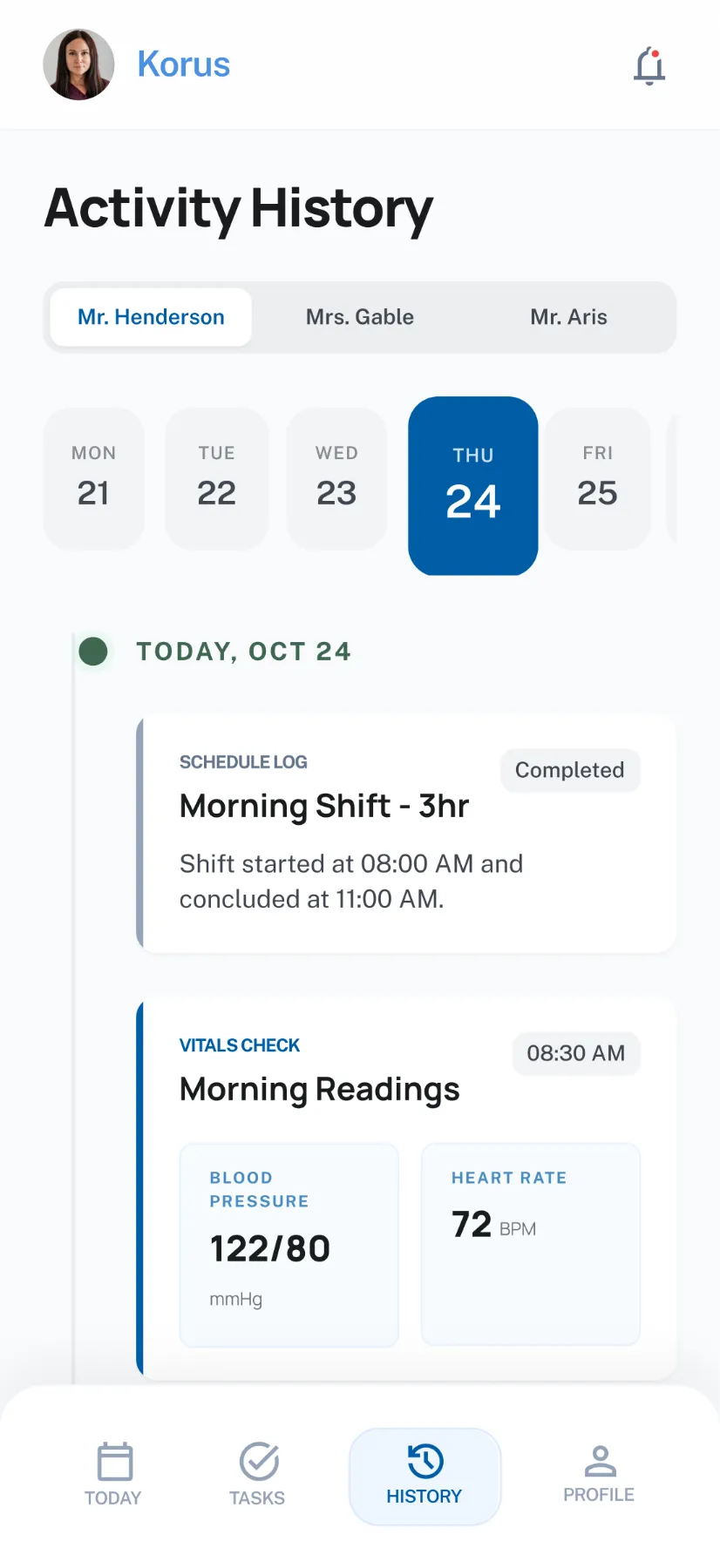
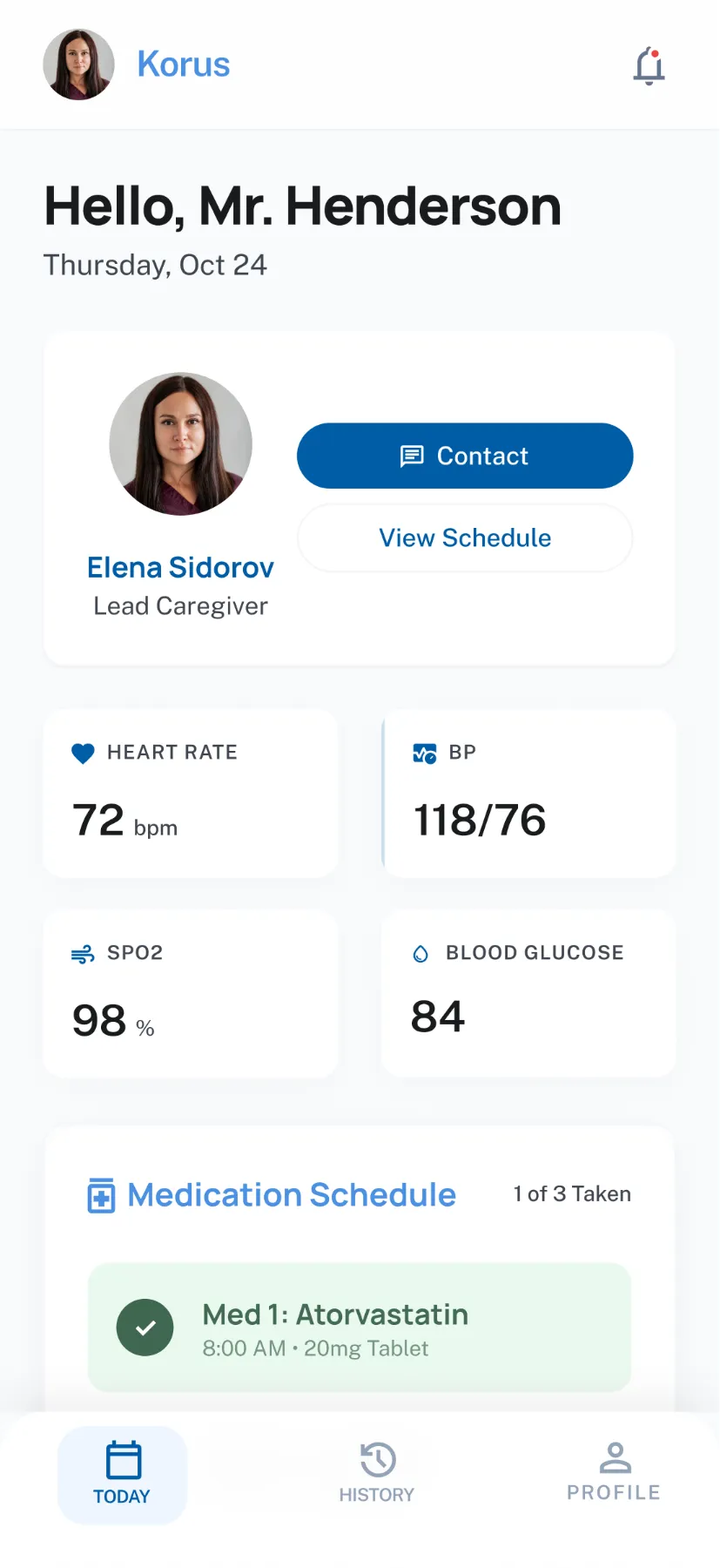
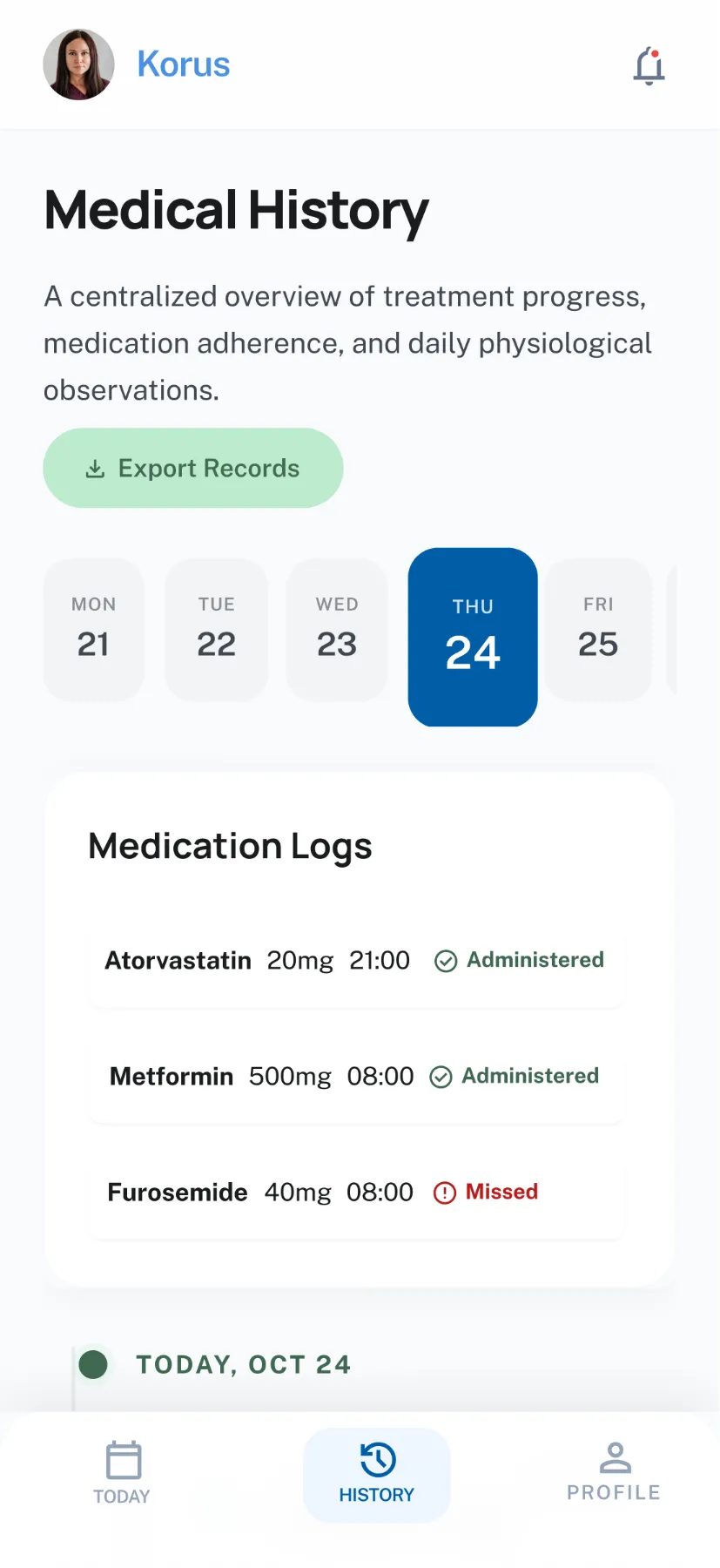
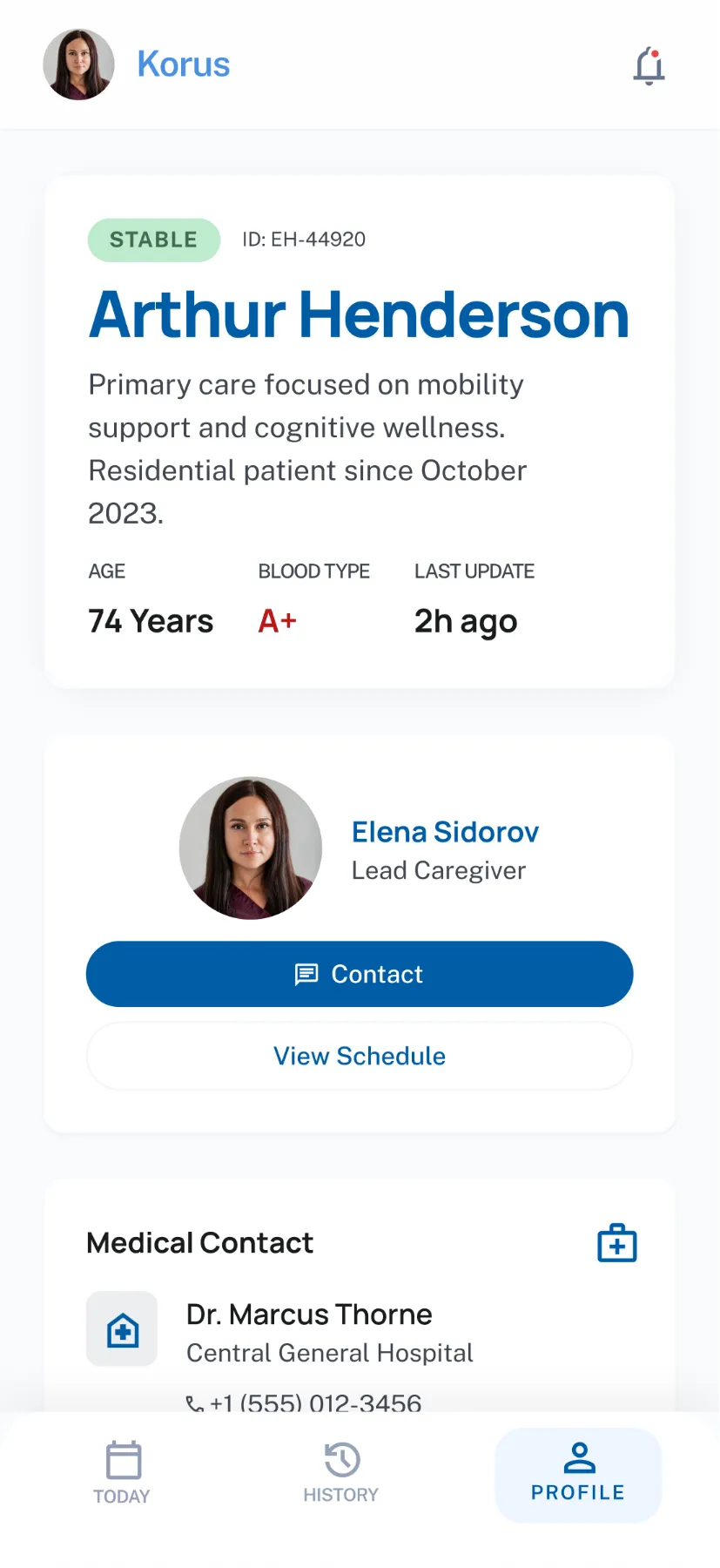
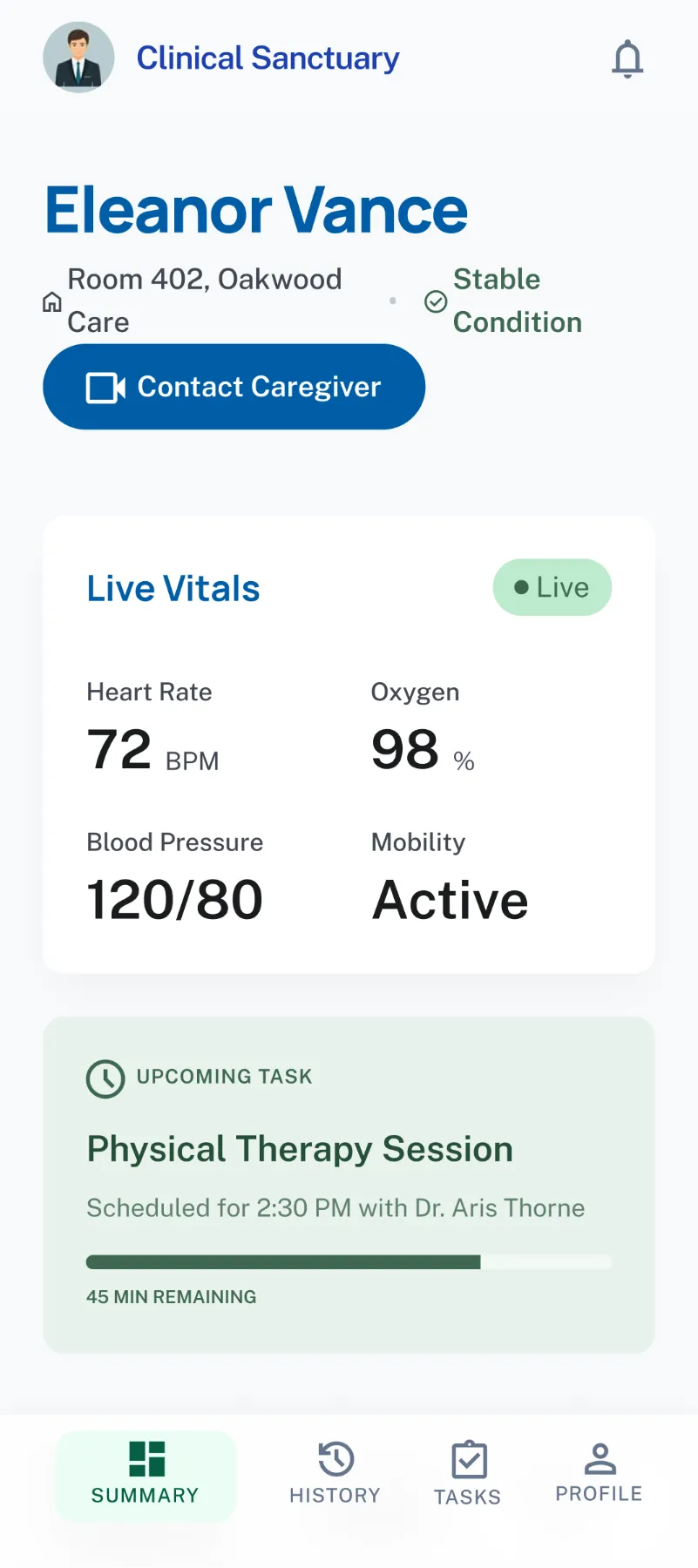
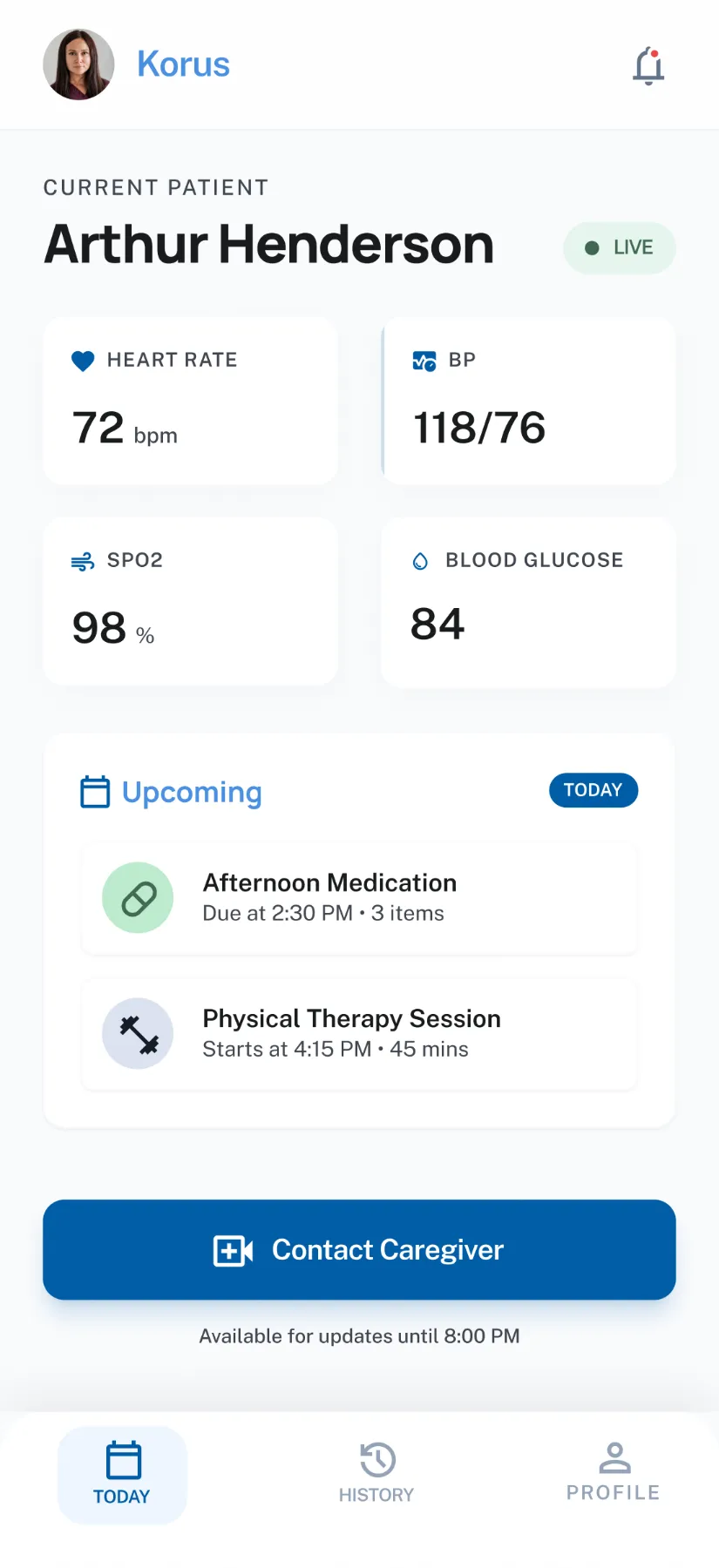
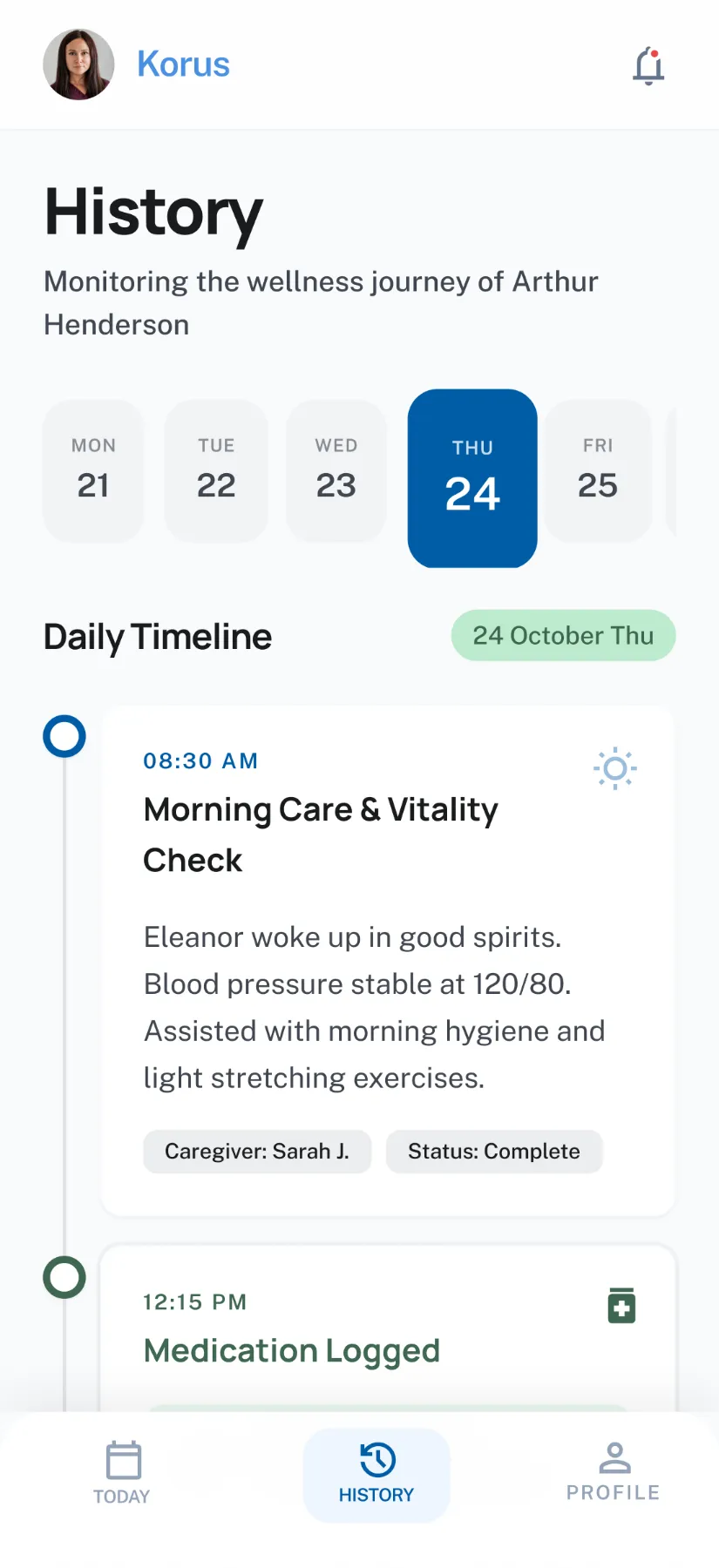
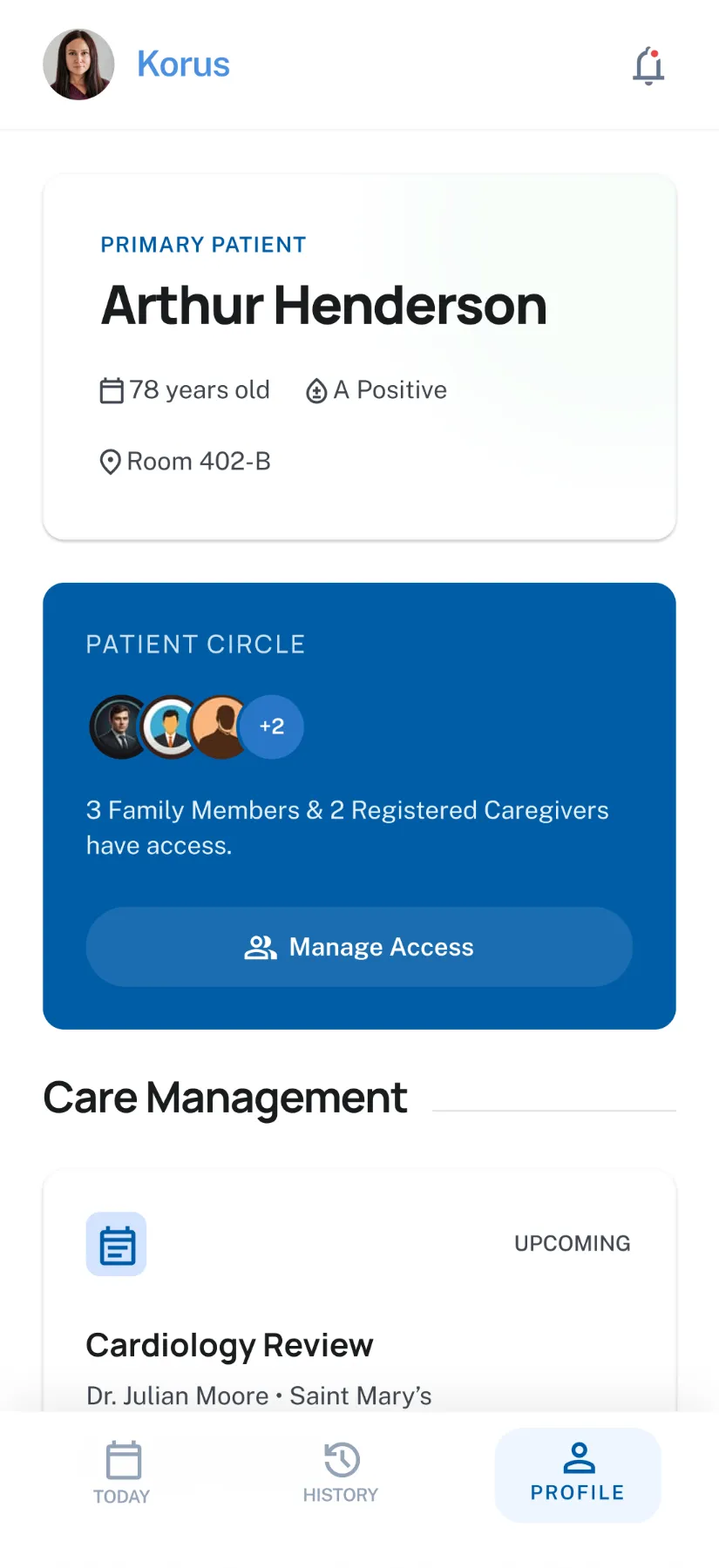
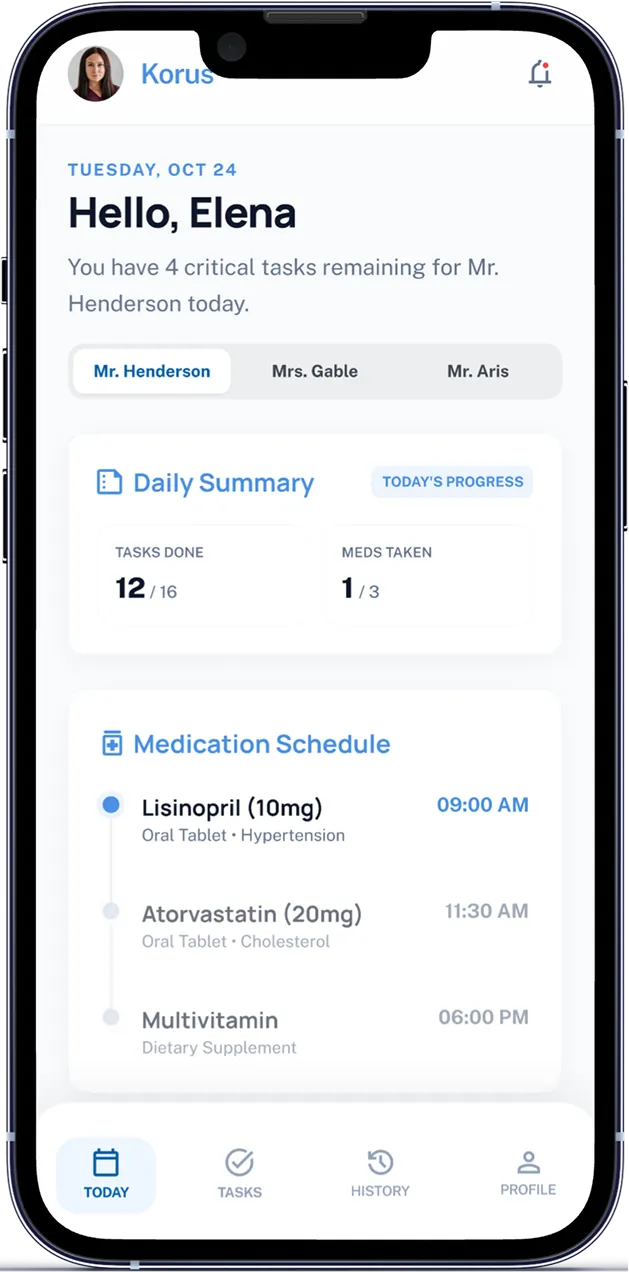
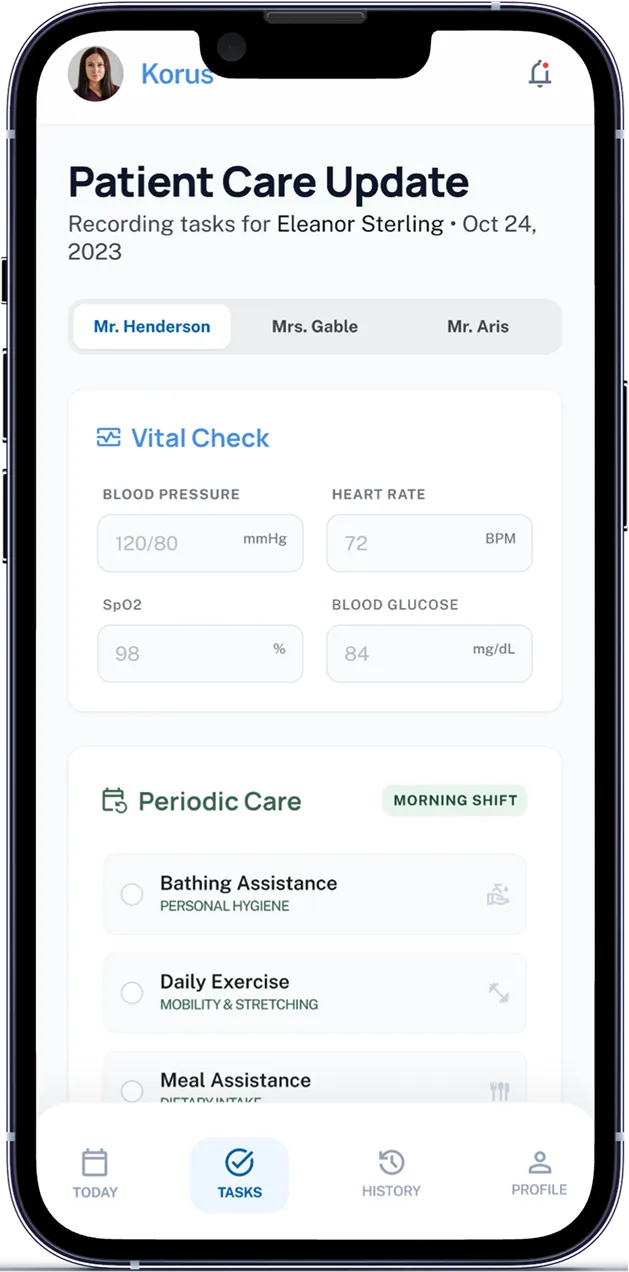
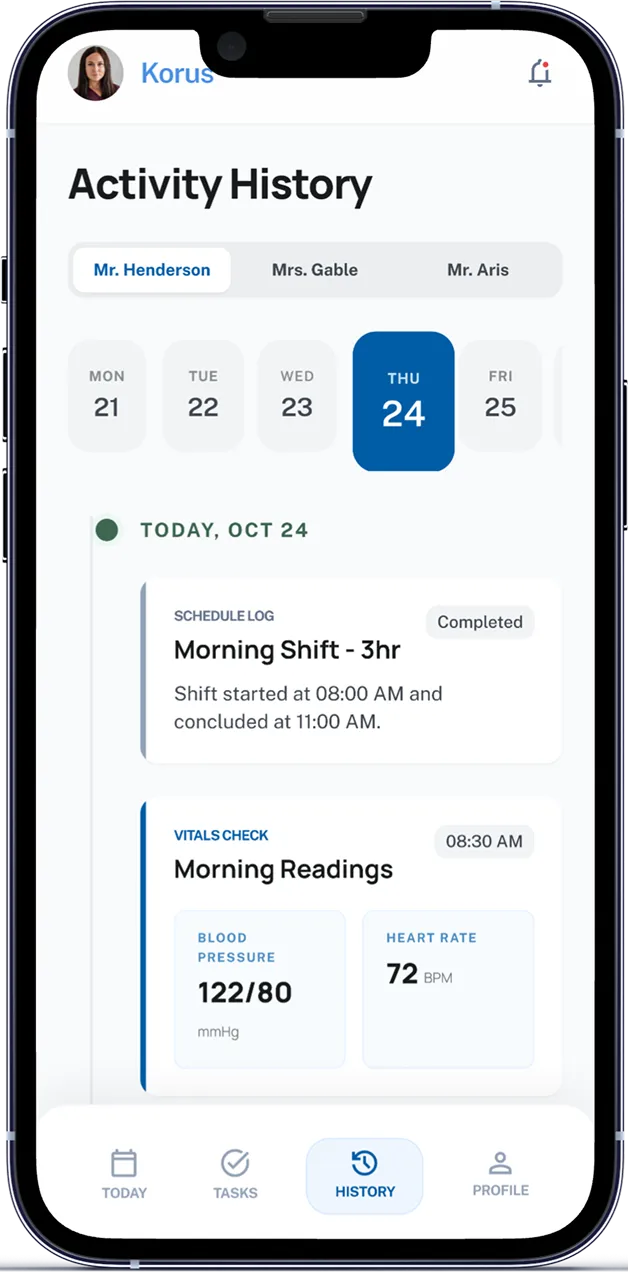
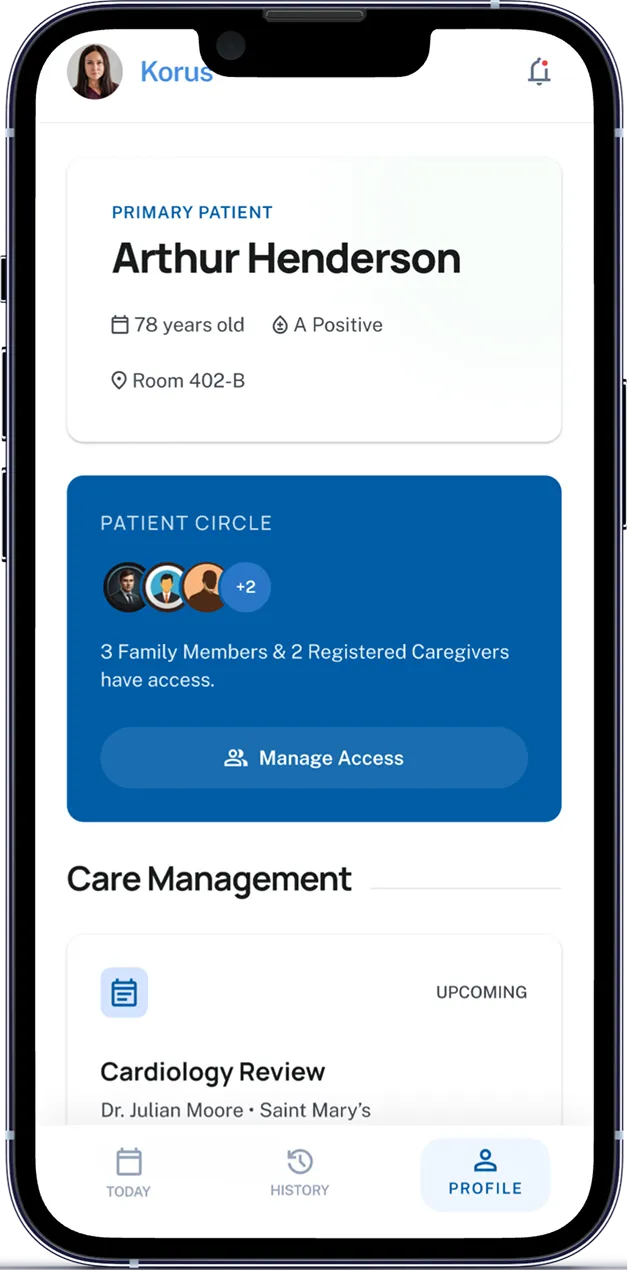
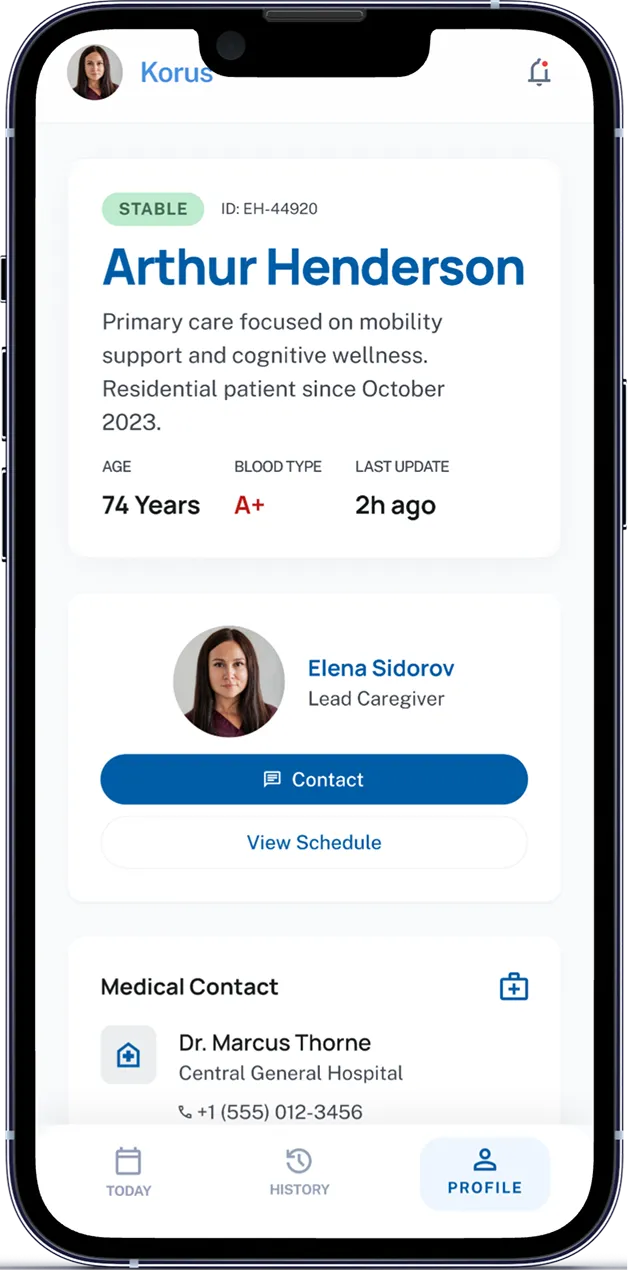
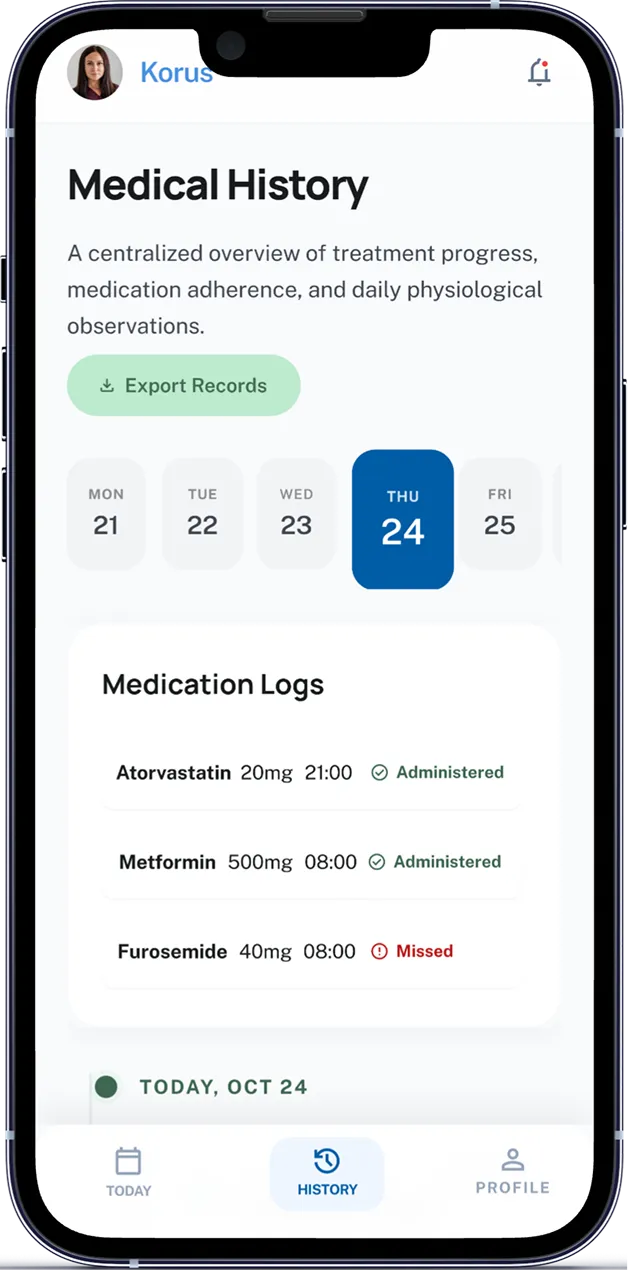
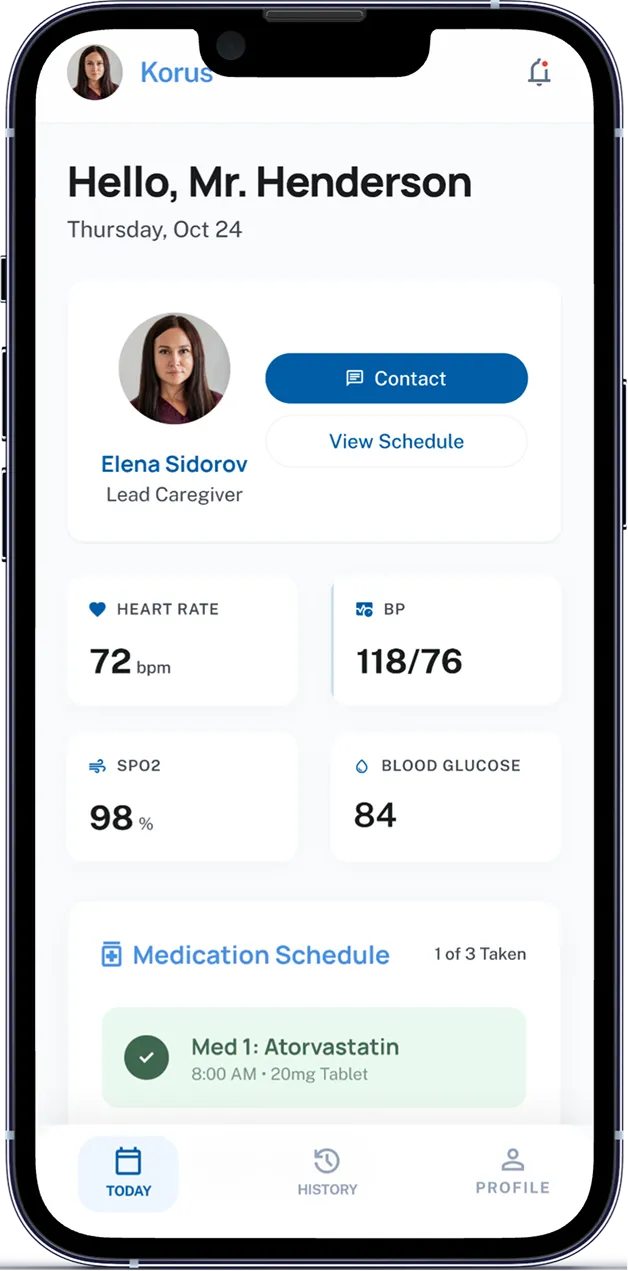
Korus is a product/service system that provides an organised caregiving service and documents a patient’s medical history. A professional caregiver logs medication, vitals and daily tasks; the patient and their family see the same record on their own phones.
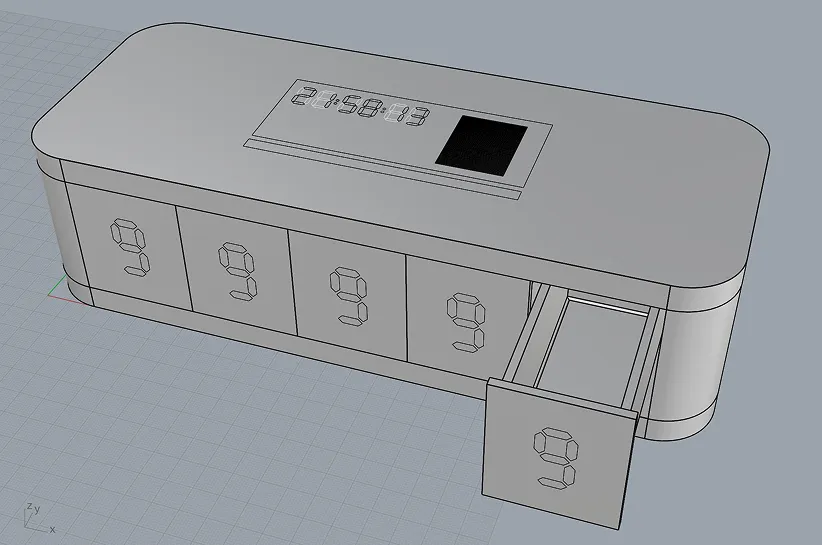
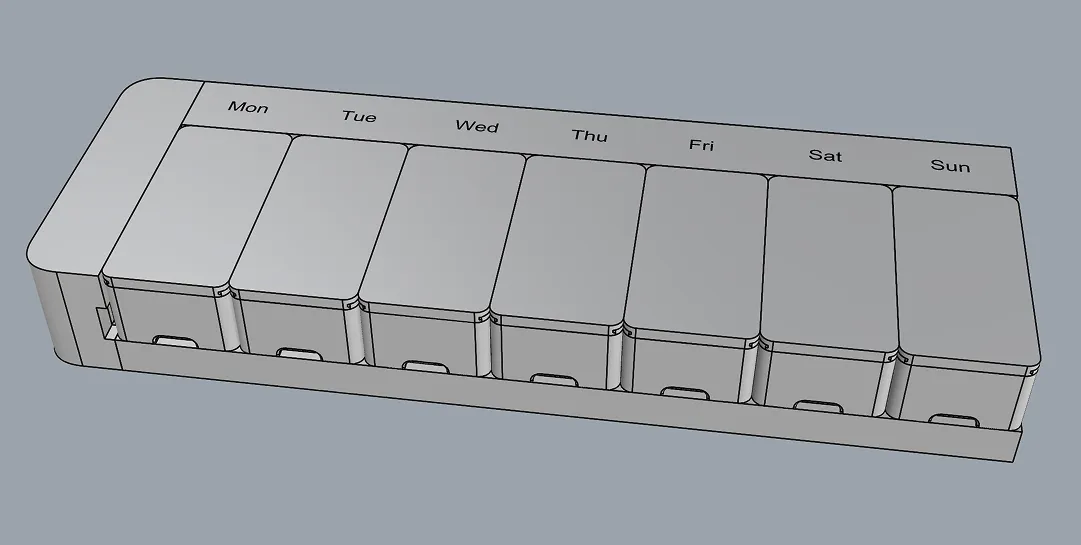
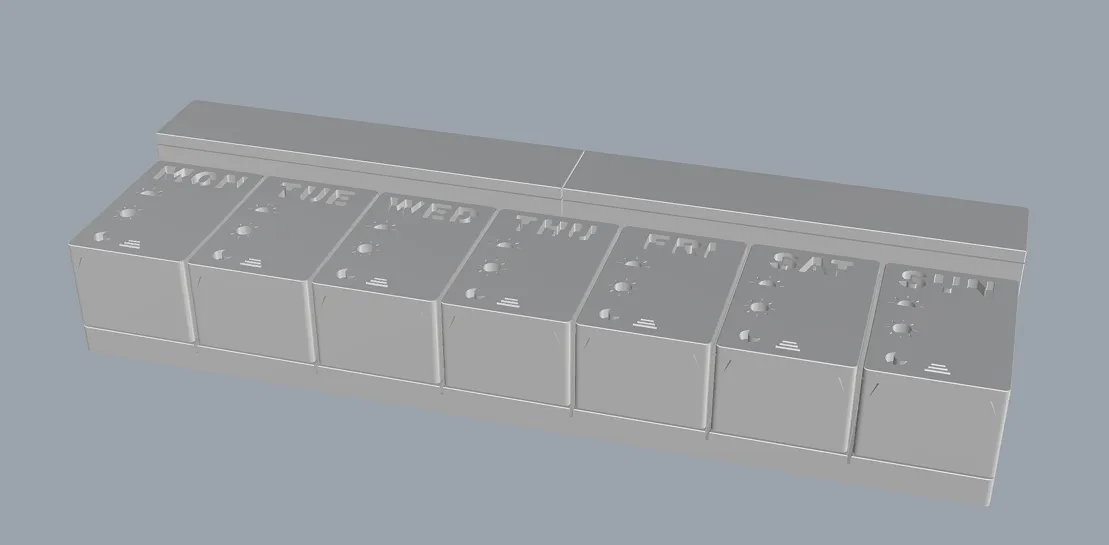
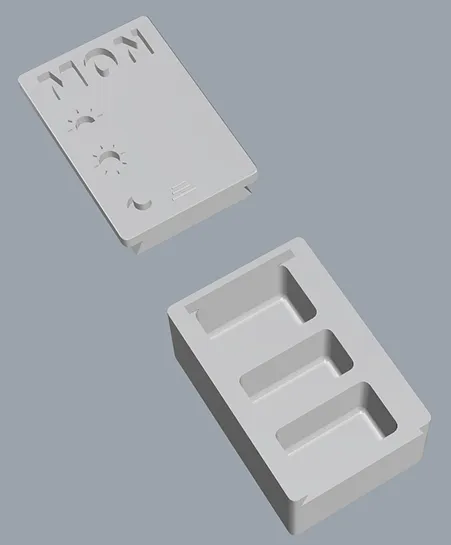
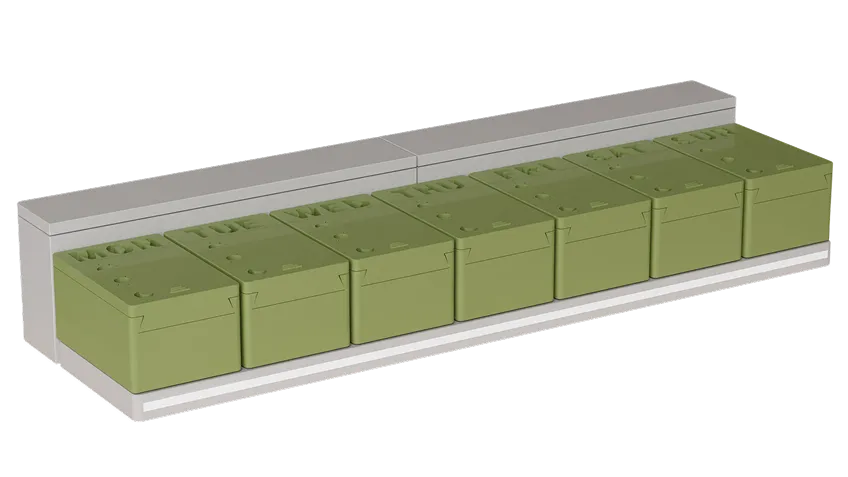
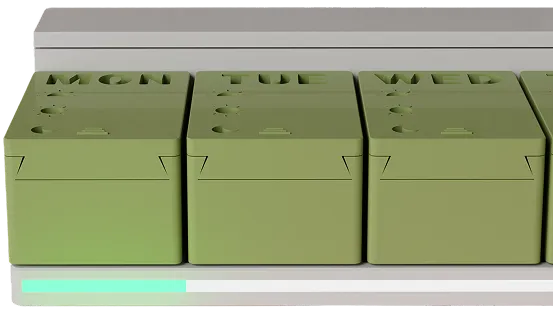
A modular weekly pill organizer links the physical routine to the app, so a dose taken at the kitchen table becomes a confirmed entry everyone can trust.
Desk research and online forums from patients and family caregivers showed how people really cope, and where they don’t.
Three personas, one for each side of the system, defined what each role needs to see and do.

“I wish I could just enter what I’ve done into a system so they could see it on their own phones without having to call me every hour.”

“I have so many pills that my kitchen table looks like a pharmacy.”

“I hate being the nagging son who calls every evening to ask about pill counts, but if I don’t ask, I don’t know.”
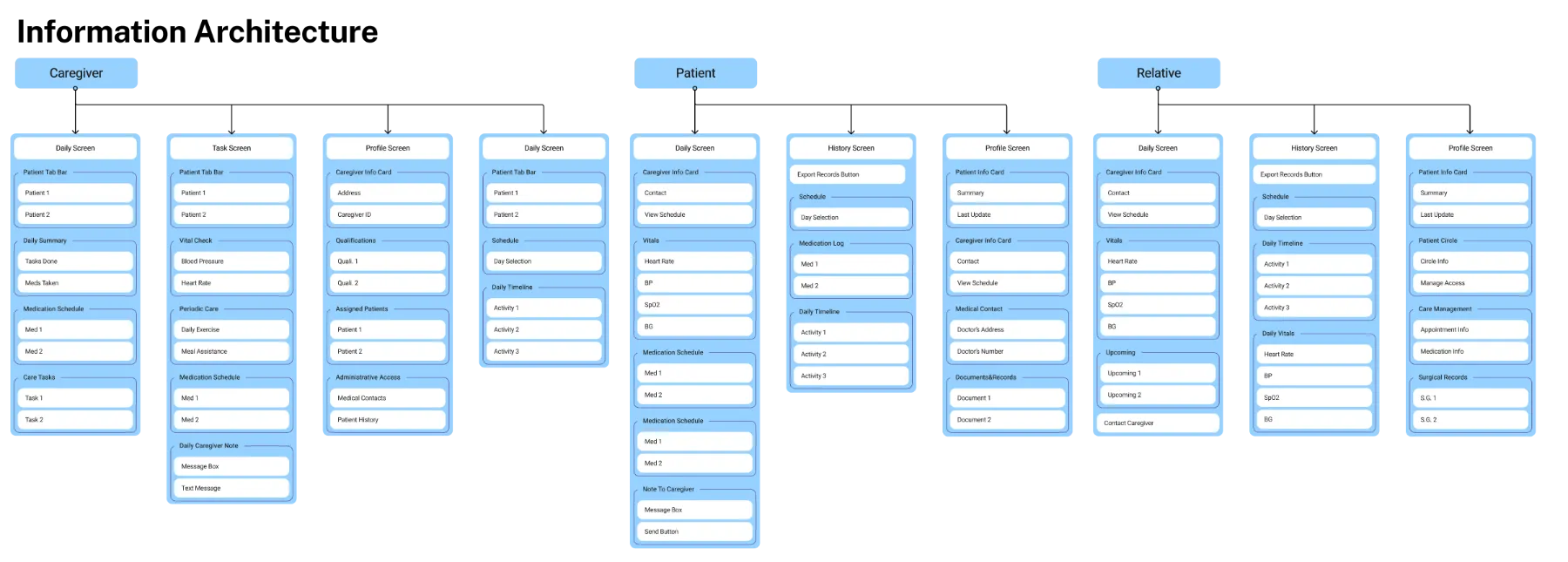
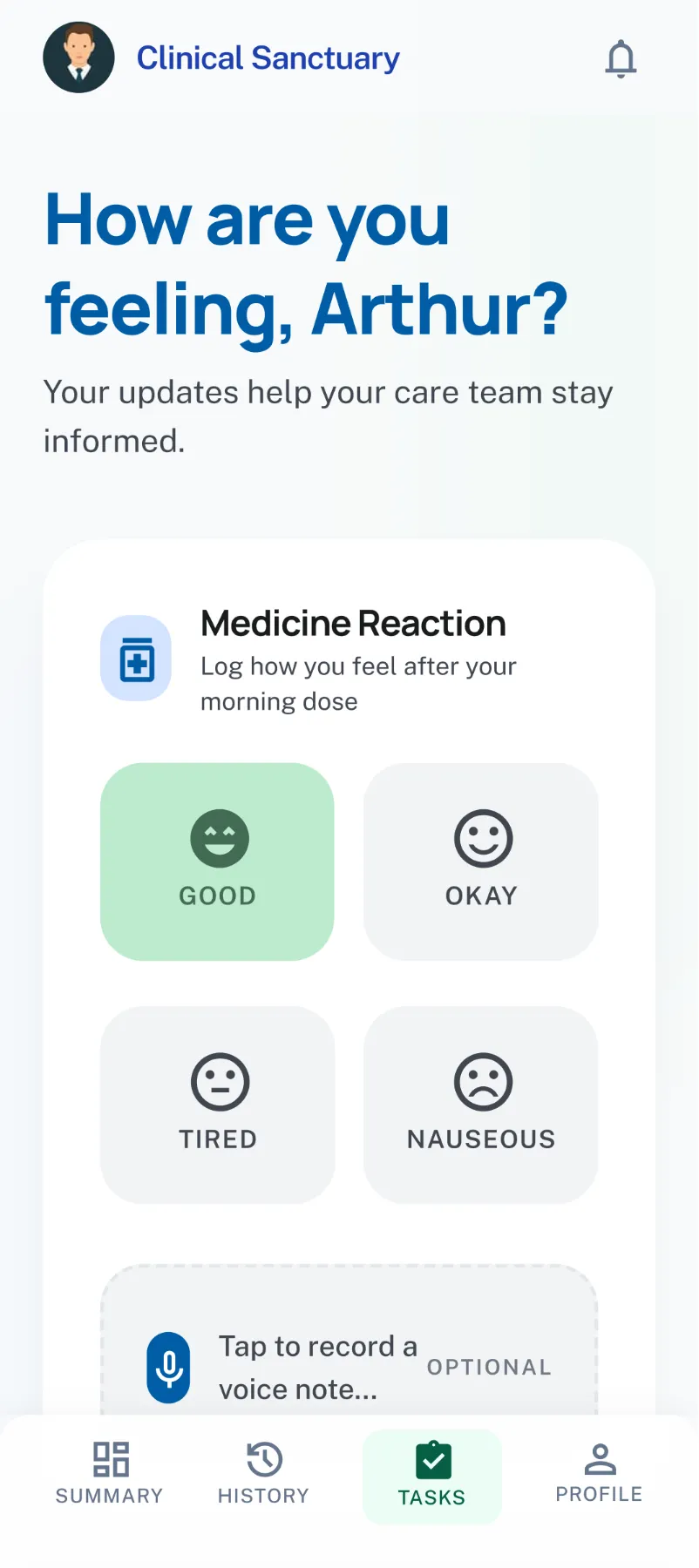
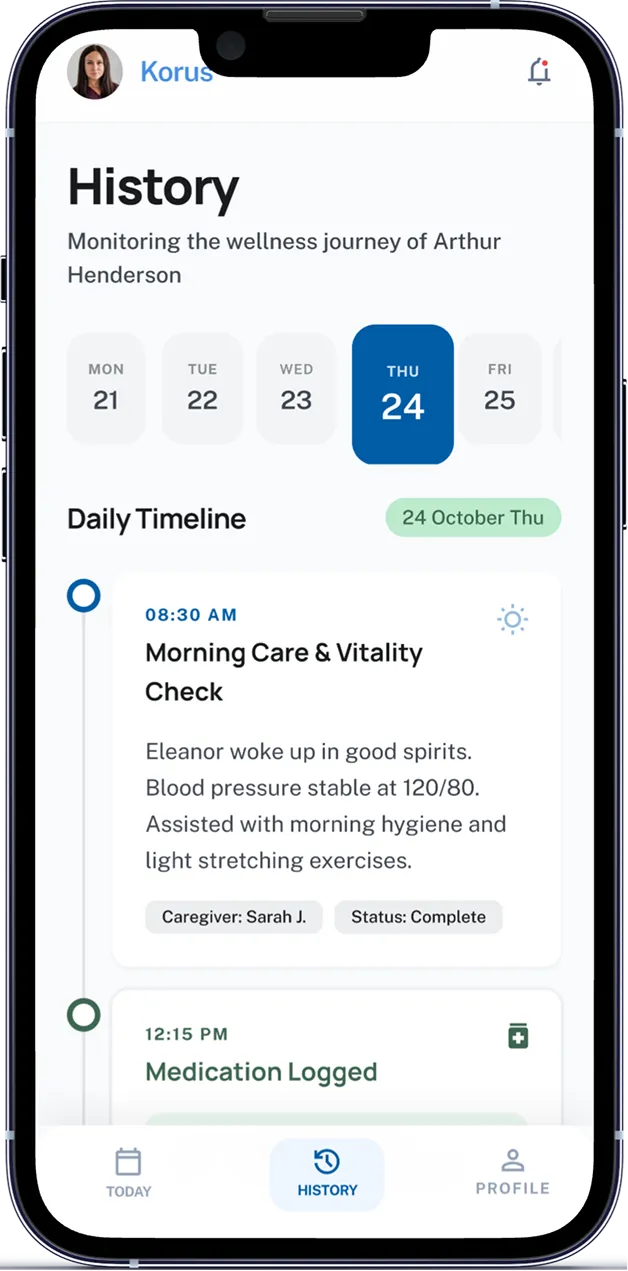
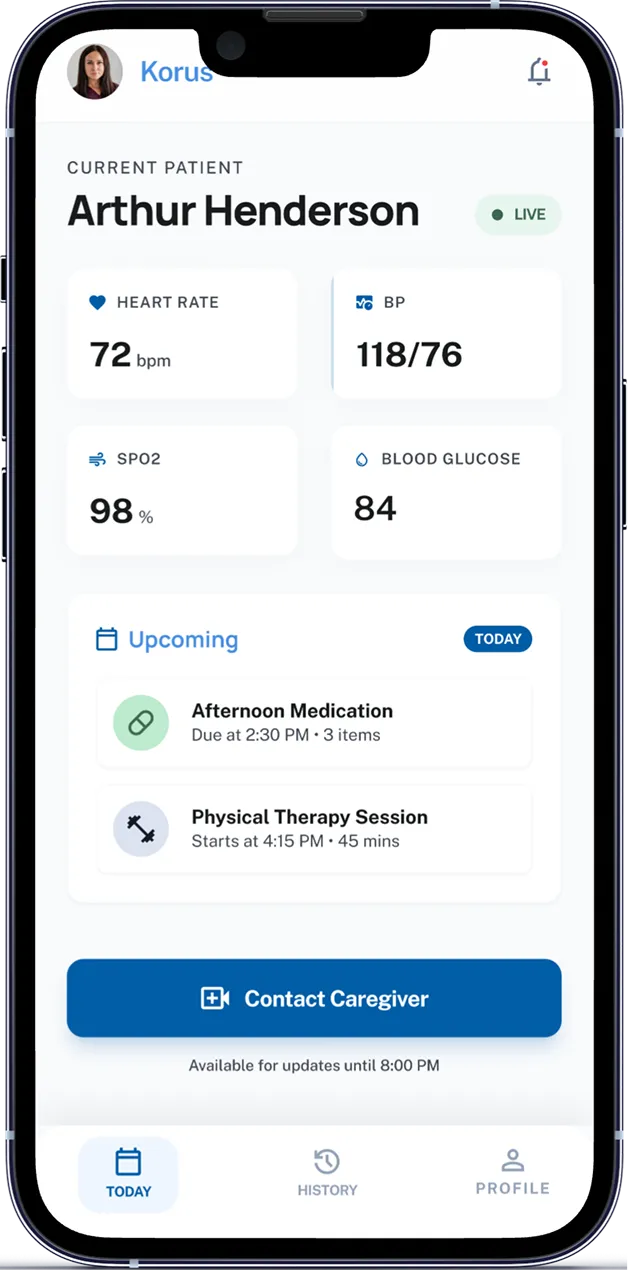
Each role has its own navigation: the caregiver works through Home, Tasks, History and Profile; patients and relatives get a simpler Daily, History and Profile structure.

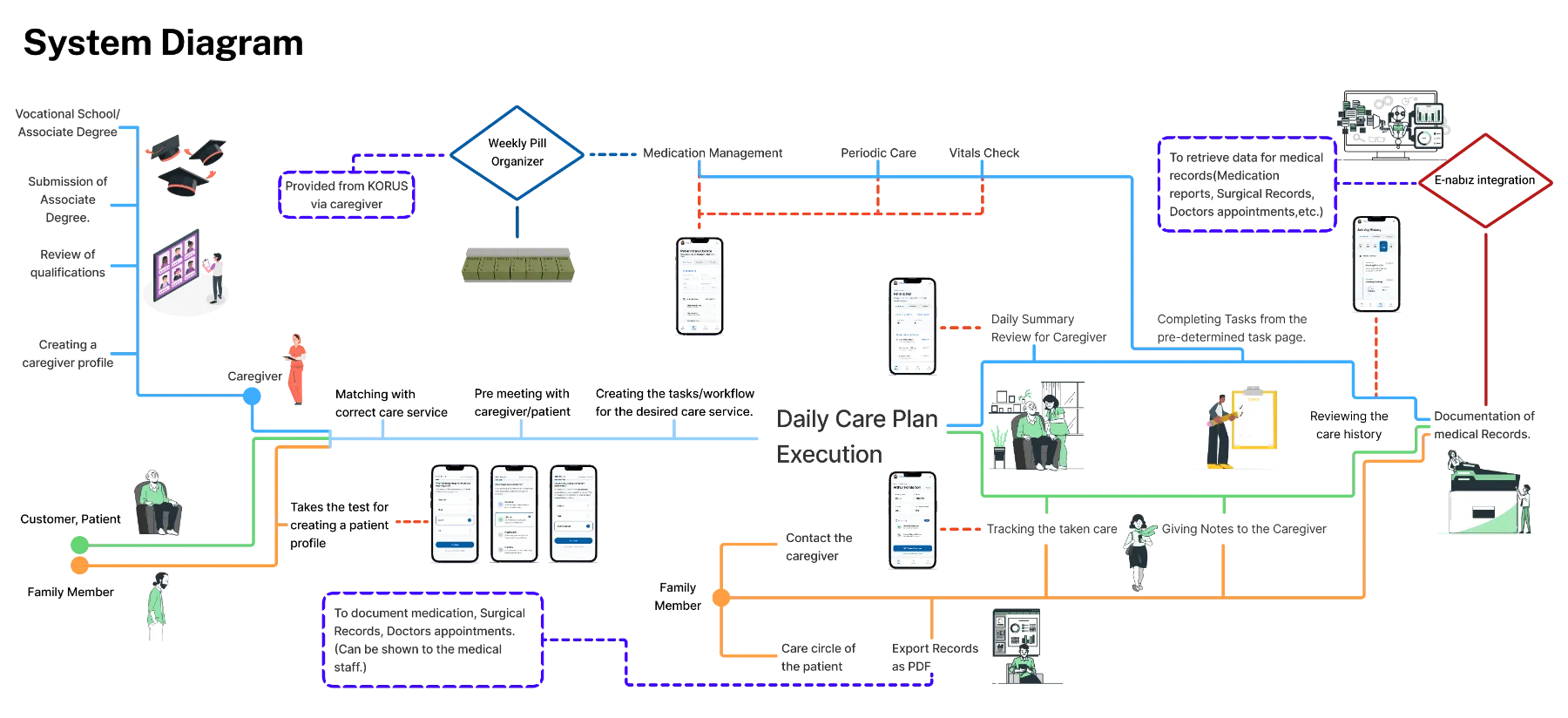
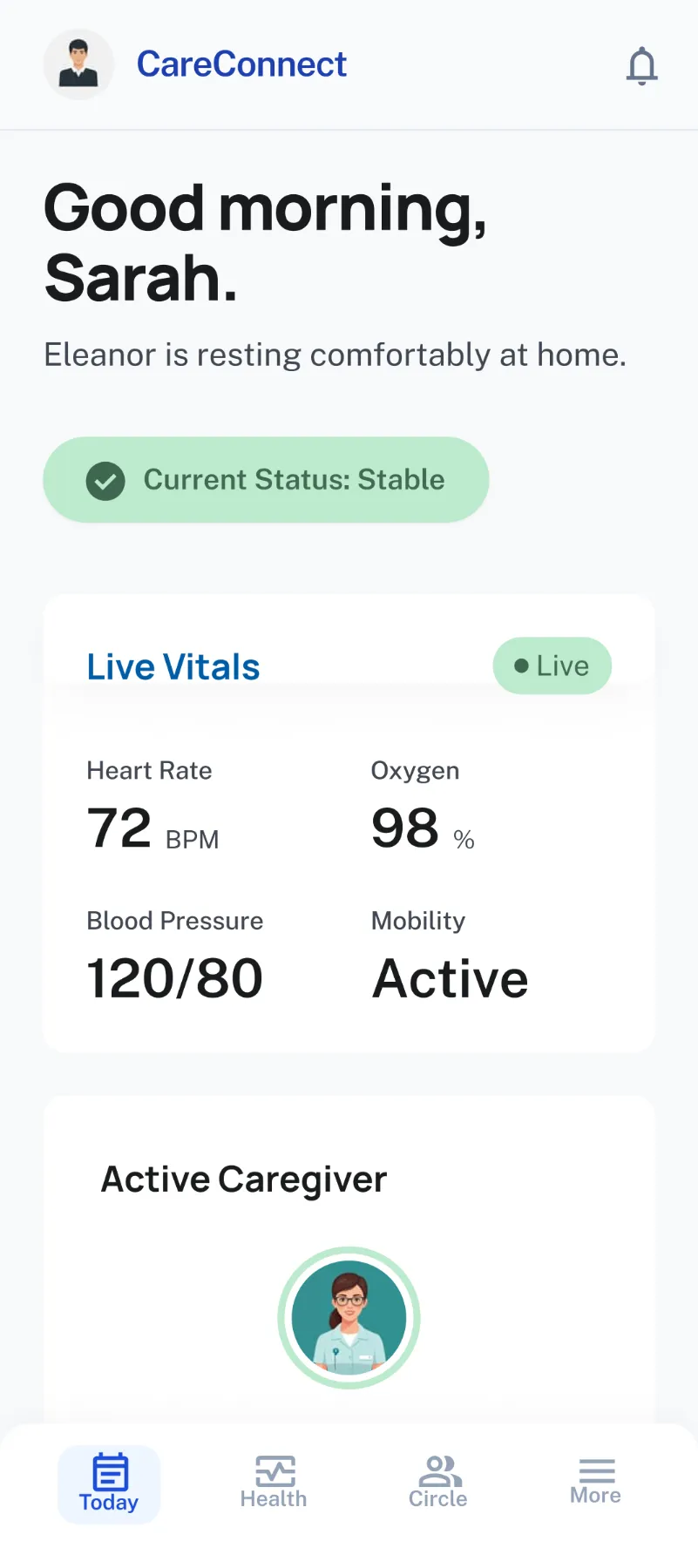
Korus sits between three users. The patient gets daily help and professional tracking, the caregiver gets an organised workflow and documentation, and relatives can follow treatment and reach the caregiver easily.

The pre-jury screens were reworked into one consistent Korus interface for all three roles: clearer hierarchy, patient switching for caregivers, and a shared timeline of the day.


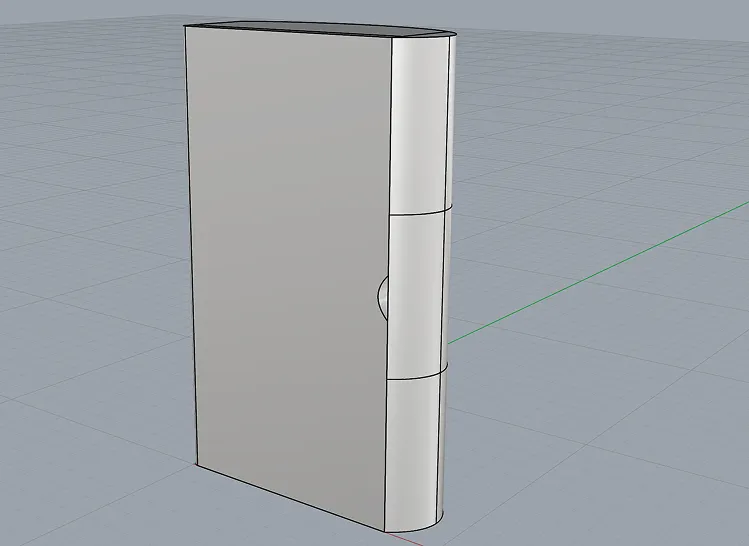
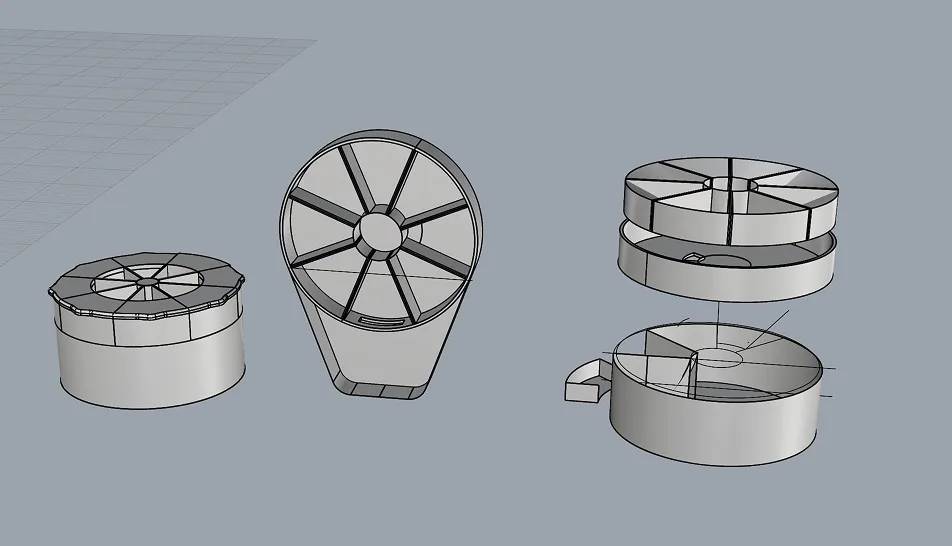
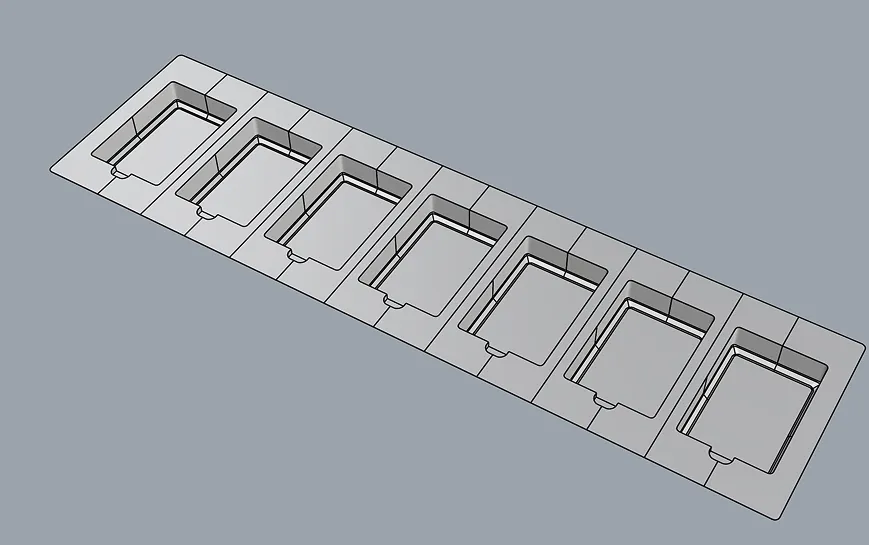
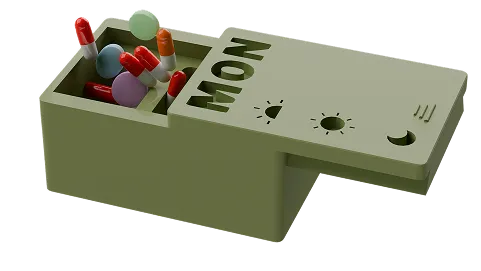
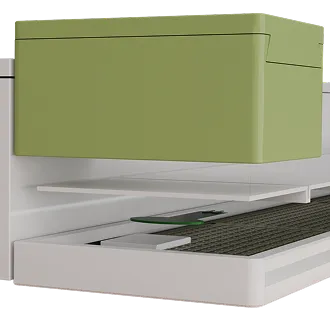
The service needed a physical touchpoint. The pre-jury dispenser explored a round, lit organizer; from there the form moved to a weekly box, and finally to modular day compartments on a magnetic base plate.


Korus brings the routine and the record together: a modular organizer at home and one app where the caregiver documents, the patient checks in and the family stays informed.


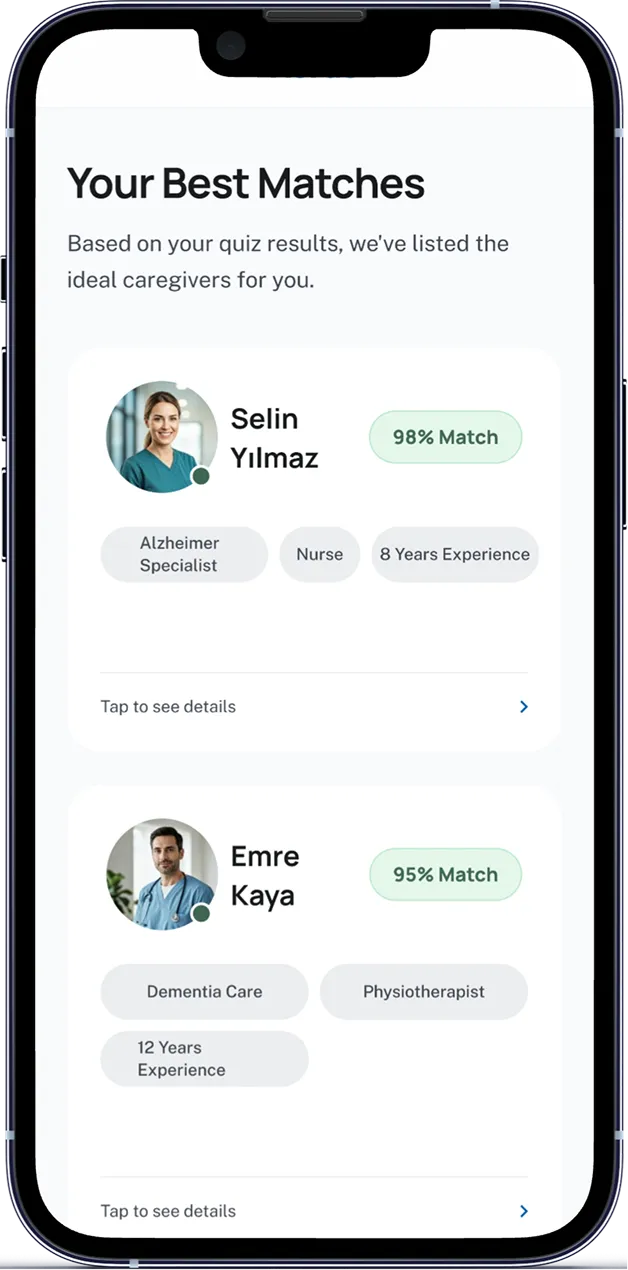
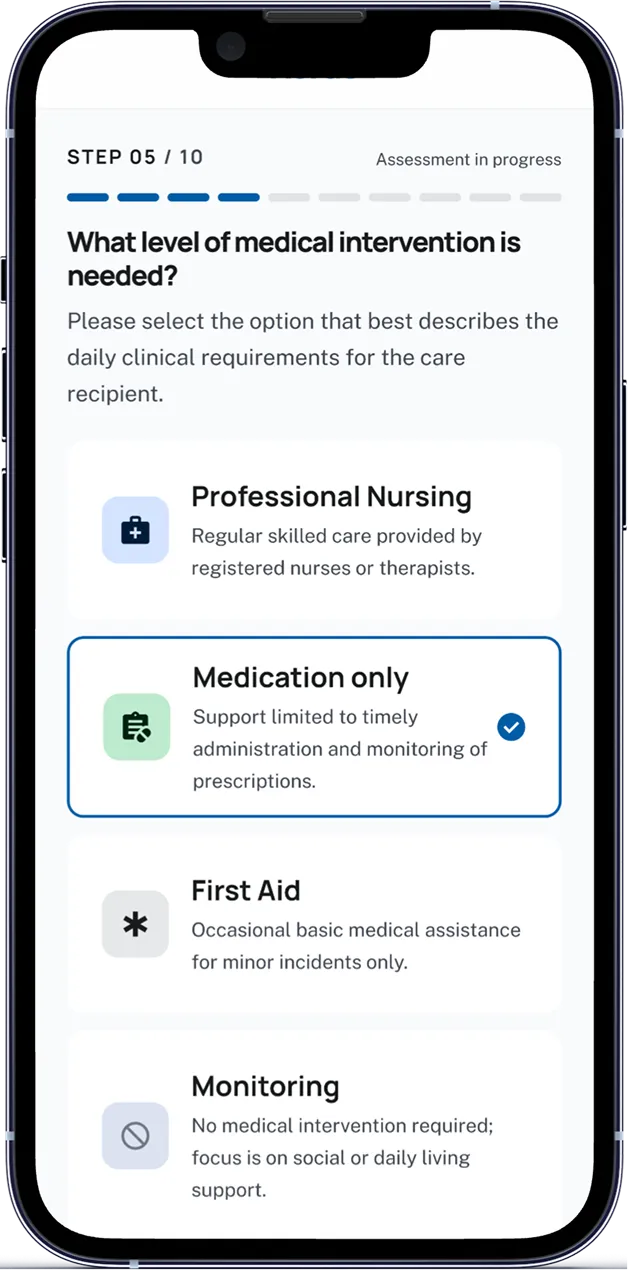
We select the best caregiver for you with our special quiz.


Korus makes it effortless to streamline your workflow and maintain all your work records in one centralized platform.


With Korus, you can easily monitor the care services for your loved ones remotely, staying informed of every step while facilitating direct communication with the caregiver. It also keeps a full record of your patient’s medical history.


With Korus, you can record, track, and document your entire medical history. By relieving the heavy cognitive load of these tasks, Korus lets you find peace of mind and work more effectively with your professional caregiver.


Organize pills day by day.

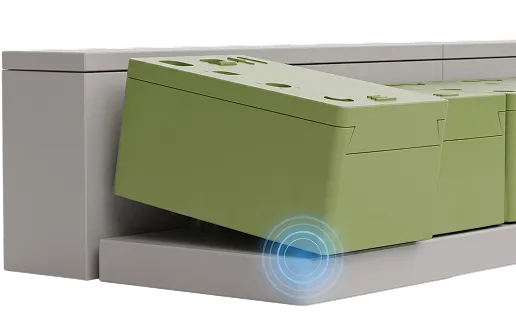
Magnet attachment to the base plate. Easy to attach, easy to detach.

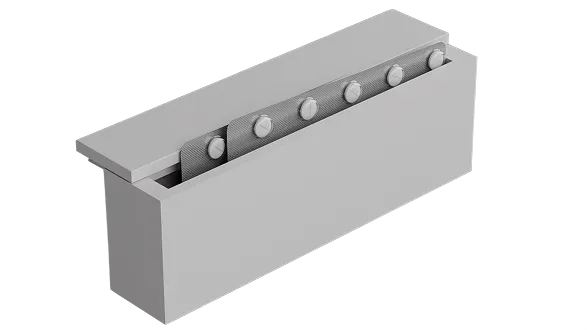
Blister pill storage keeps pills that aren’t used daily better preserved.

The LED light turns green when it’s time to take the medication.

Tracks whether you take your medication with force resistor sensors.
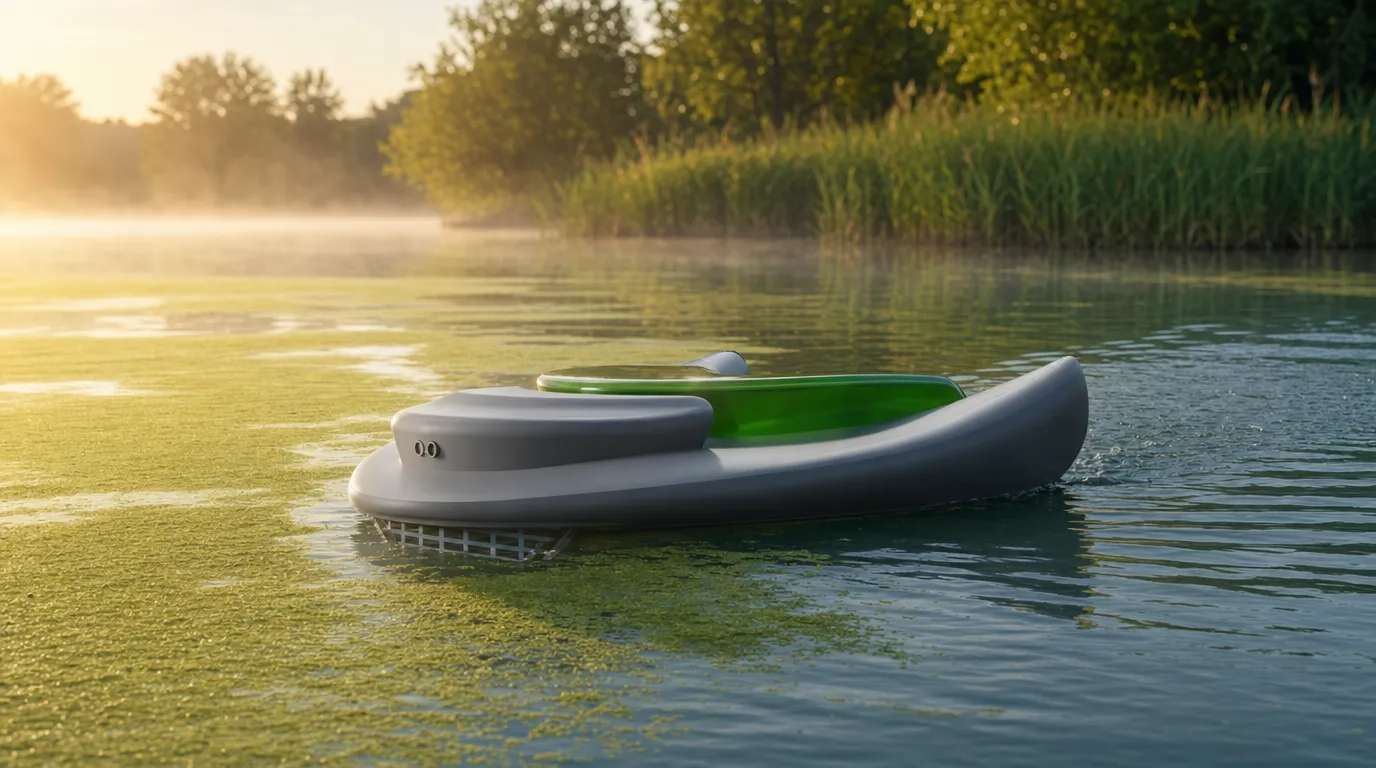
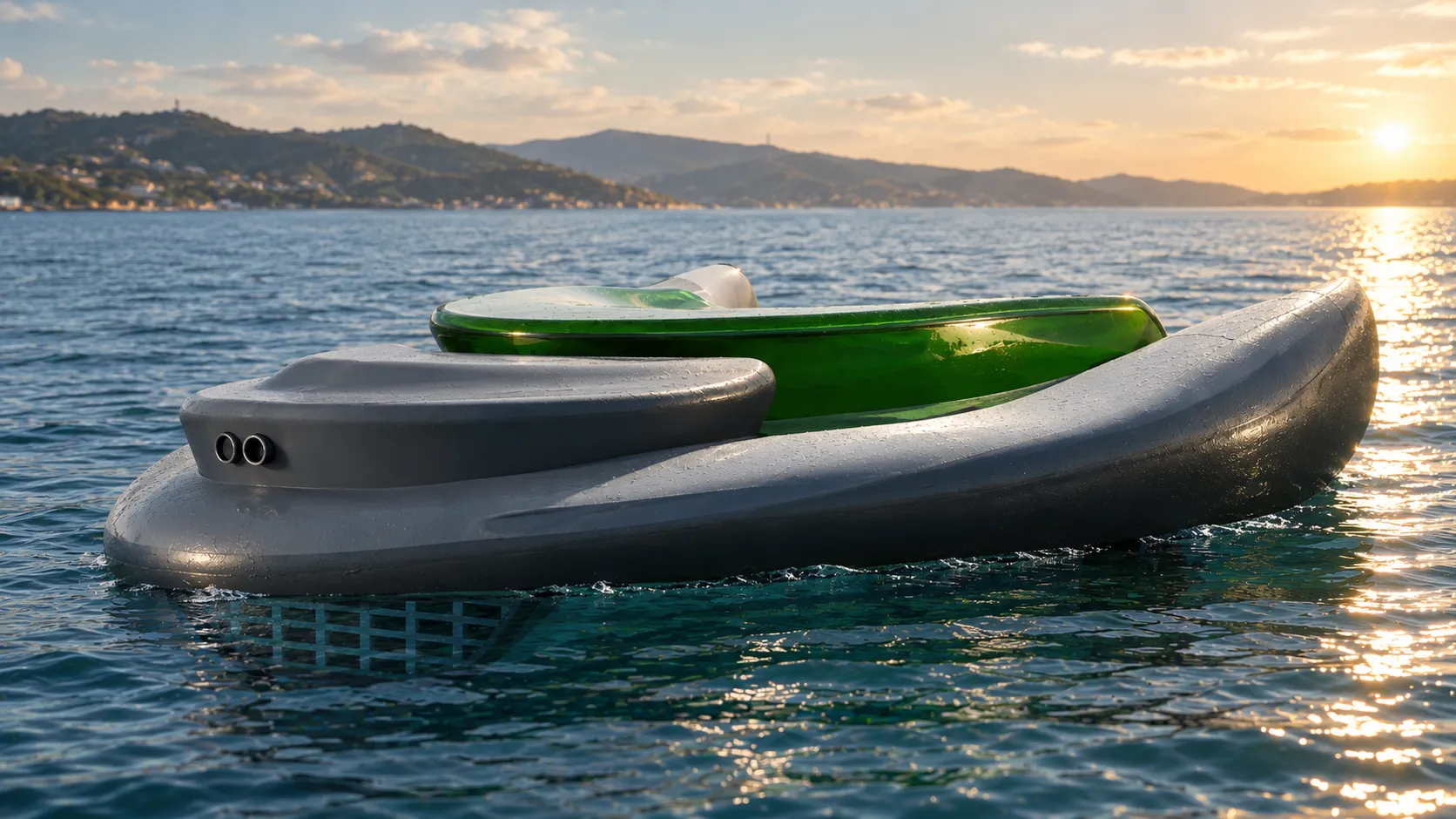
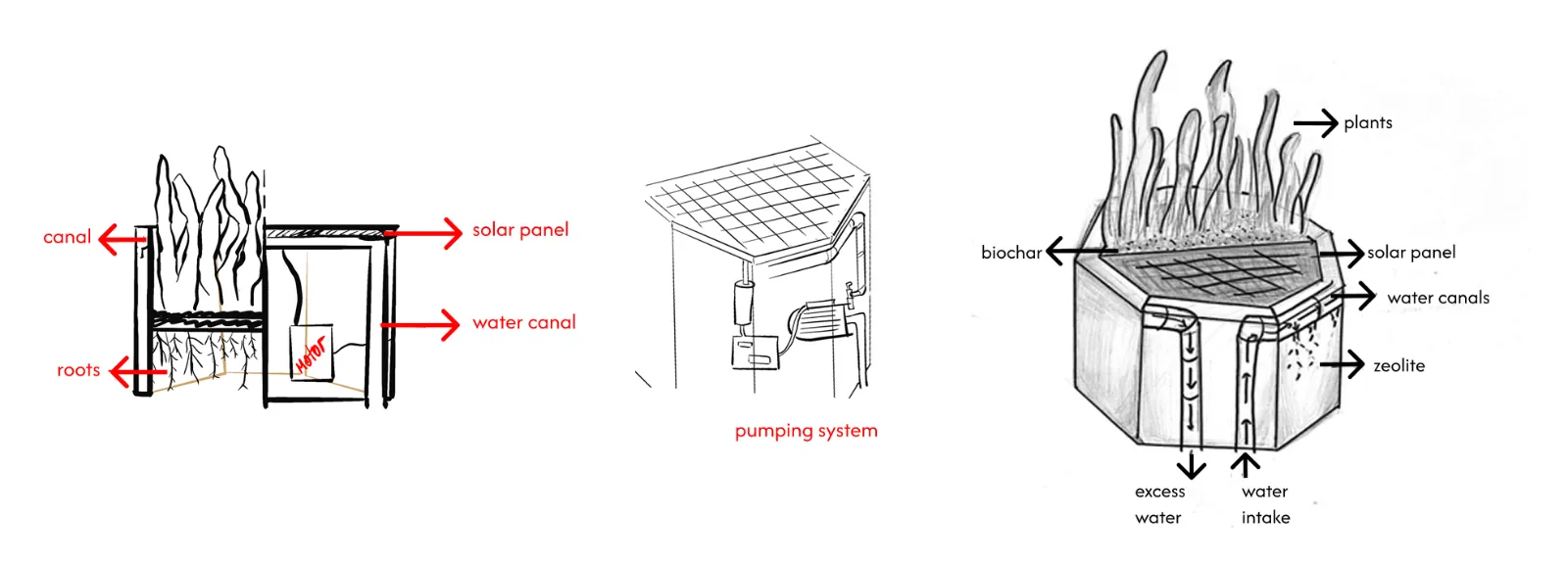
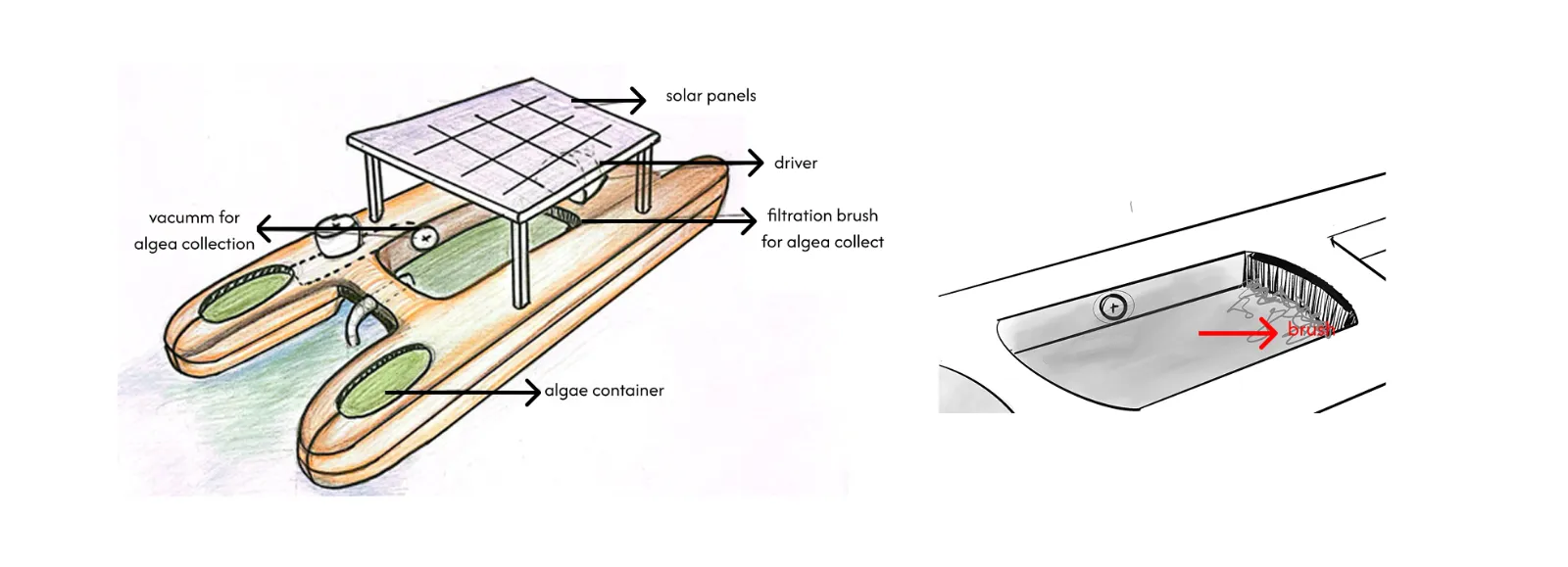
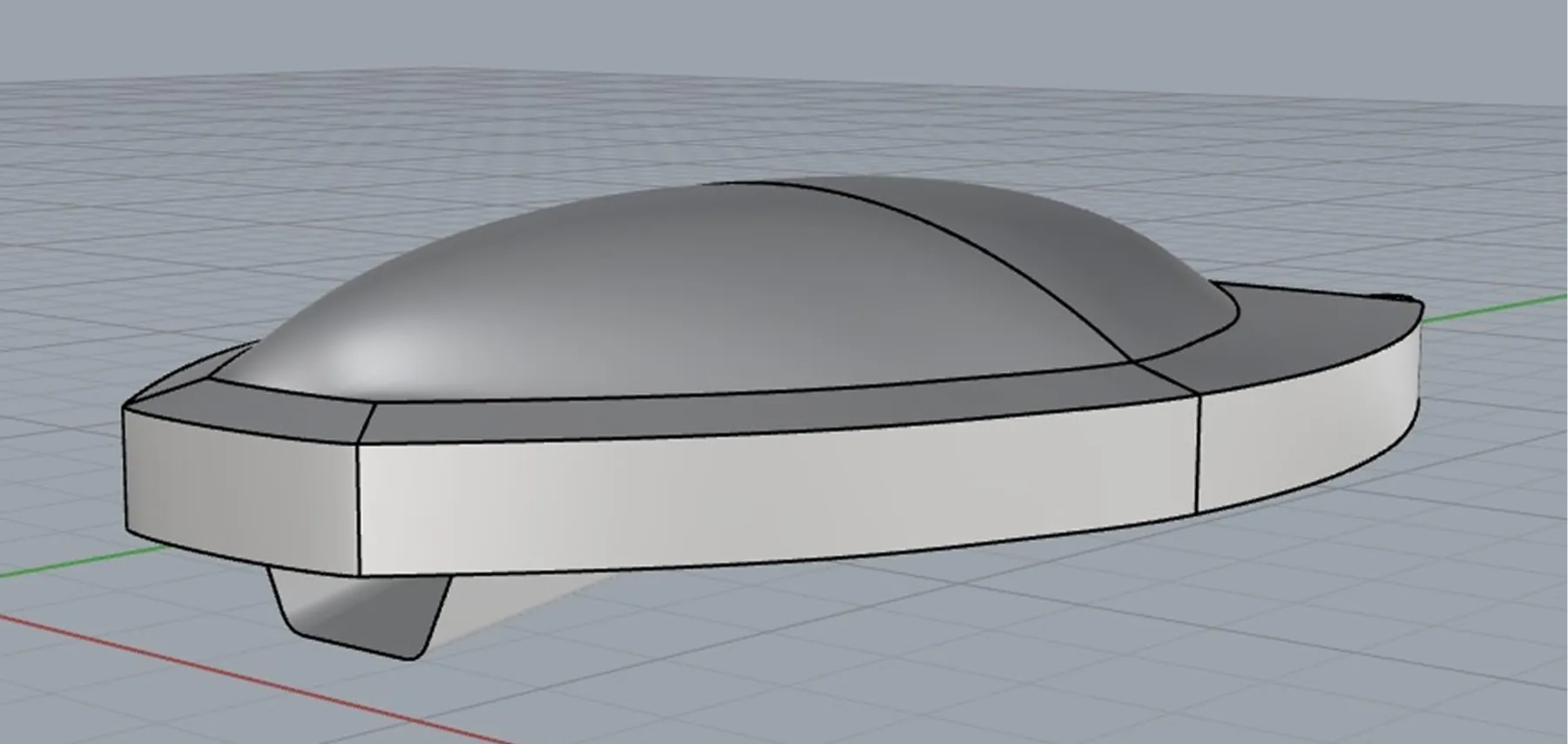
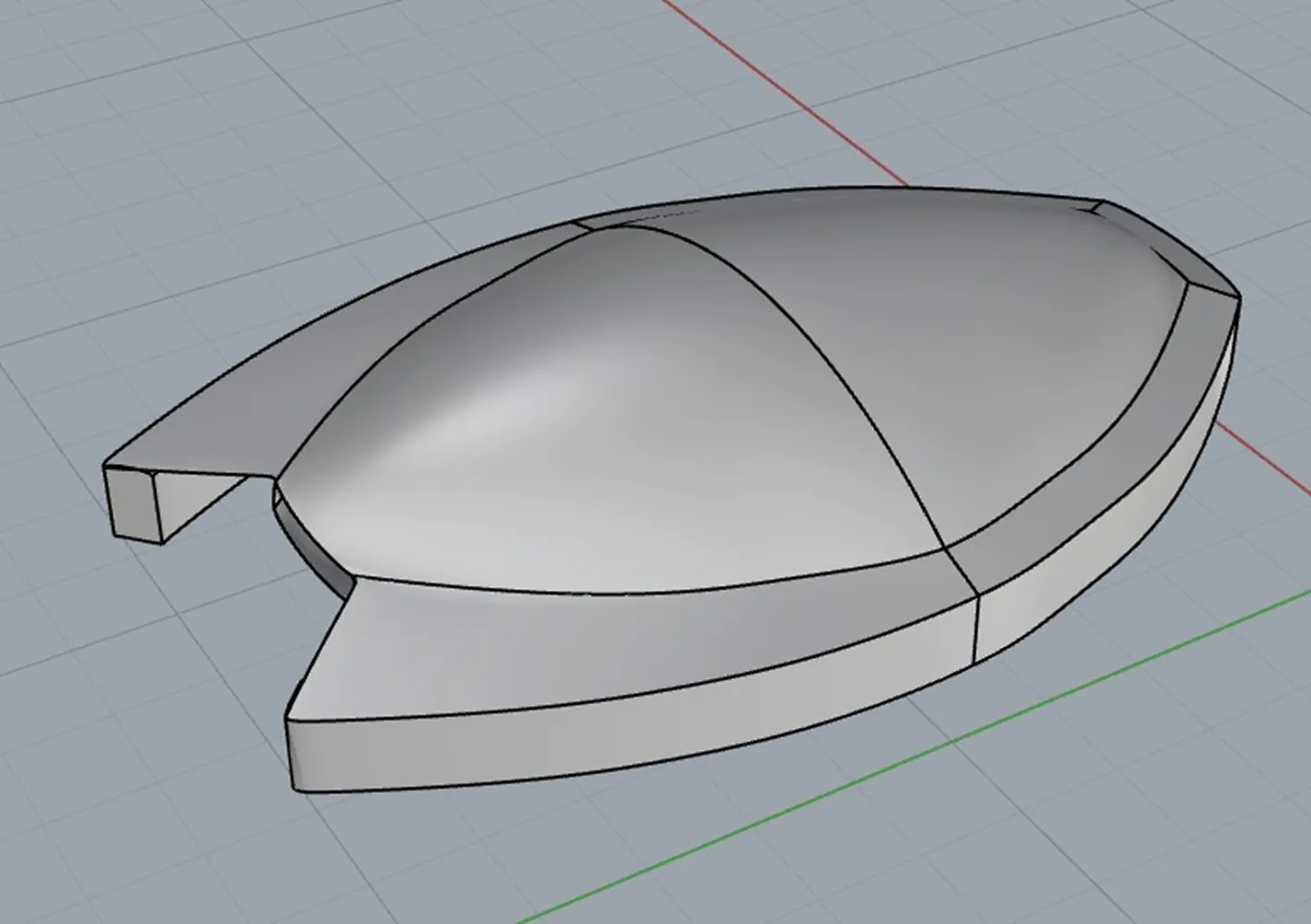
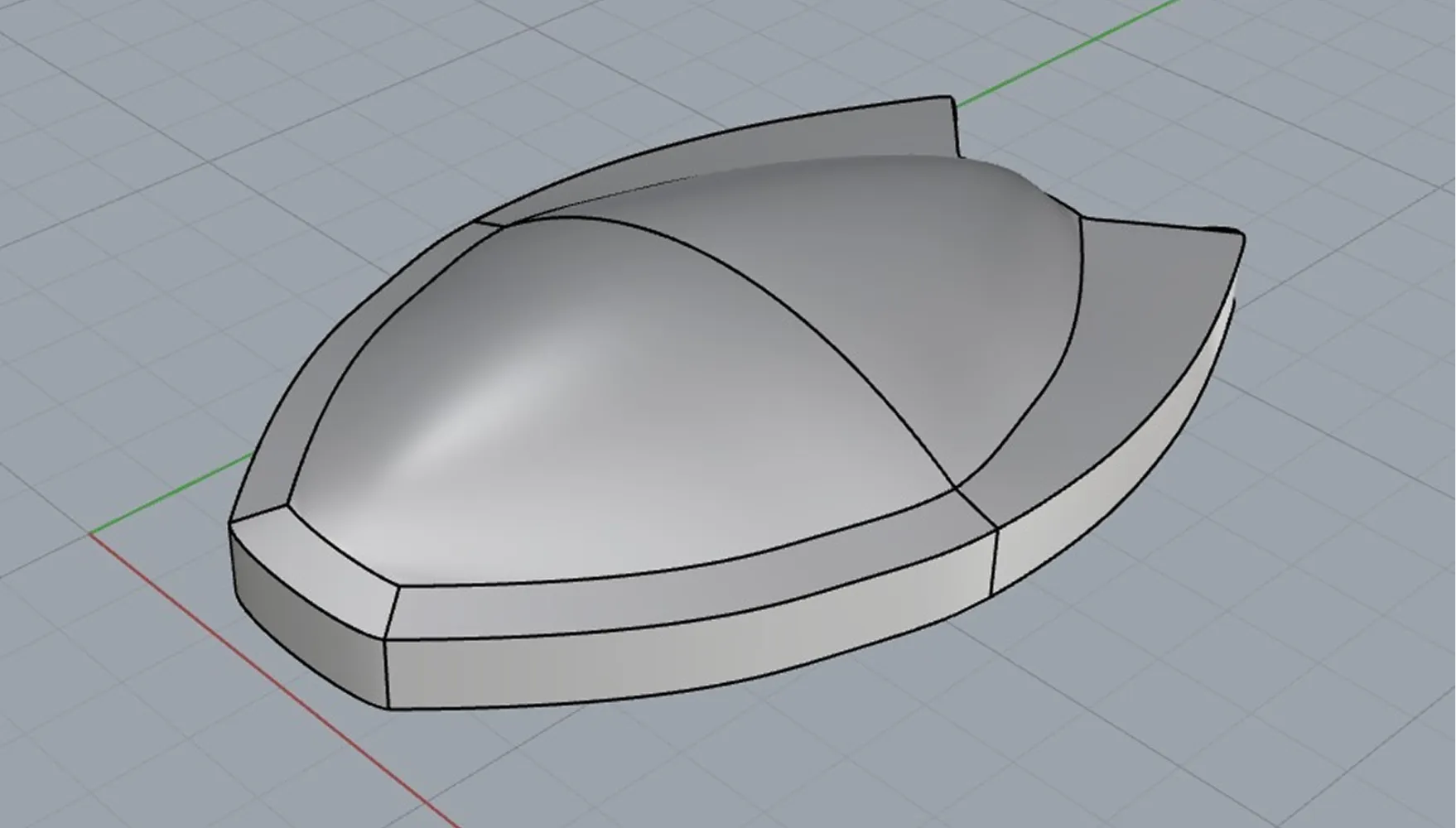
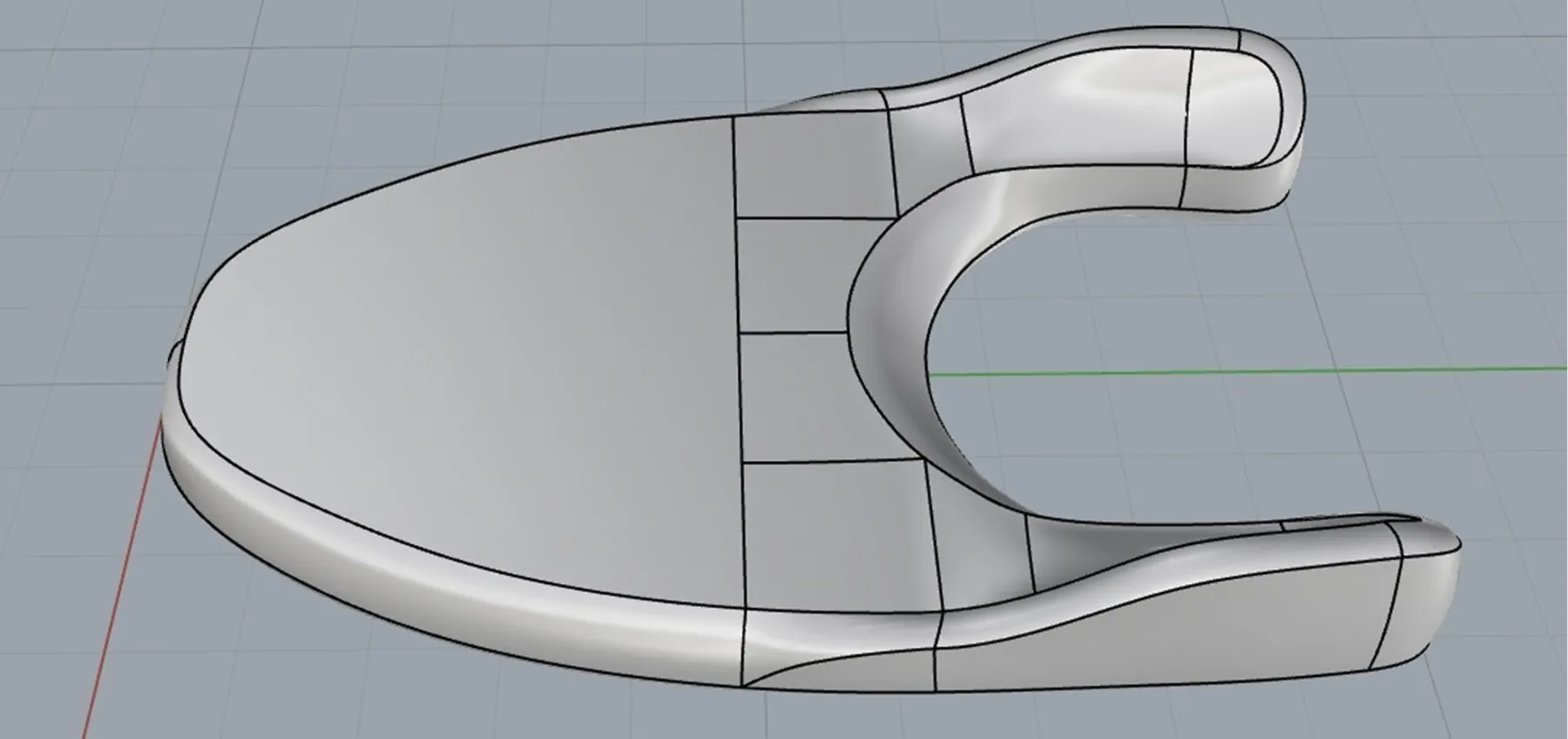
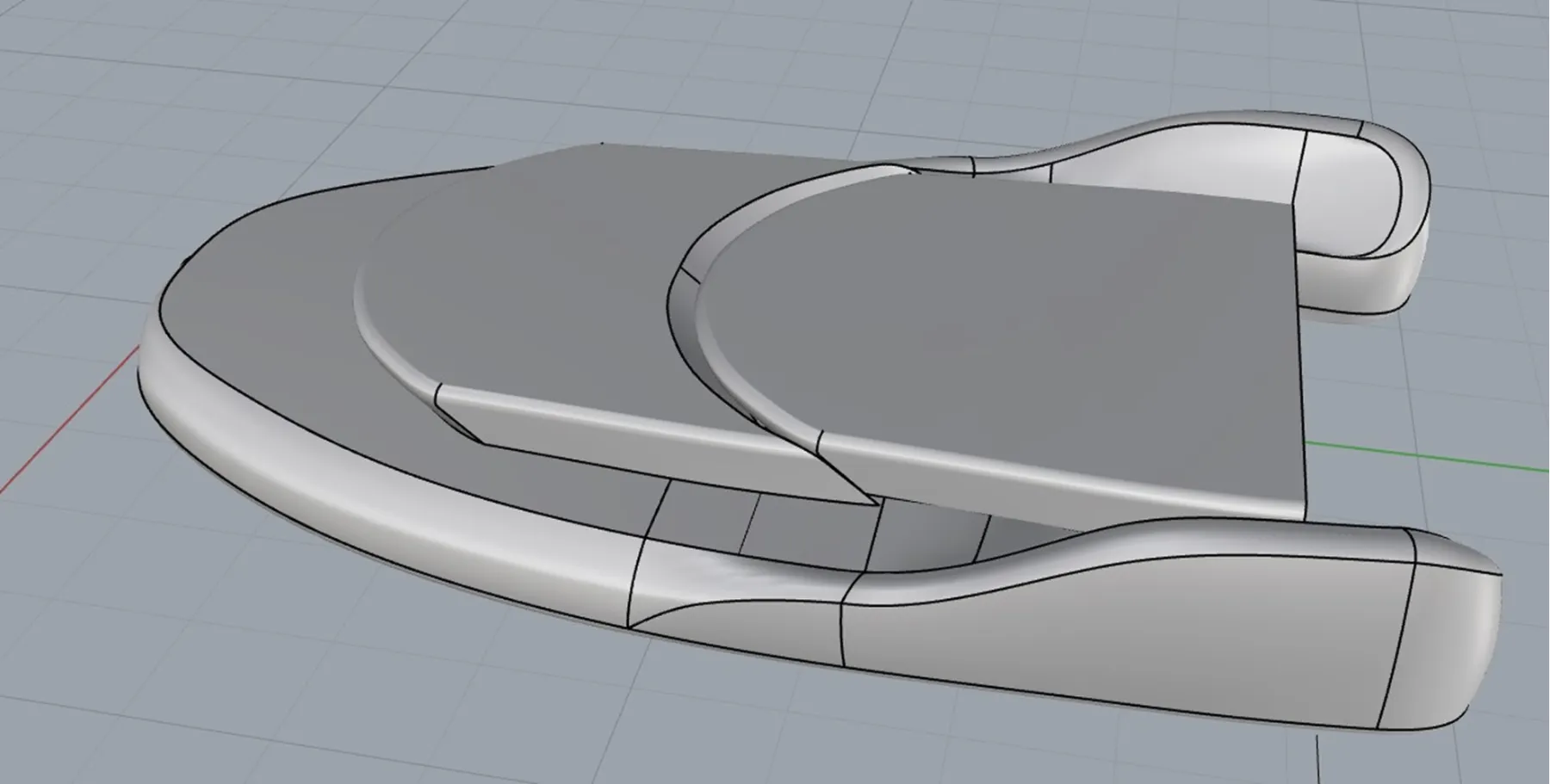
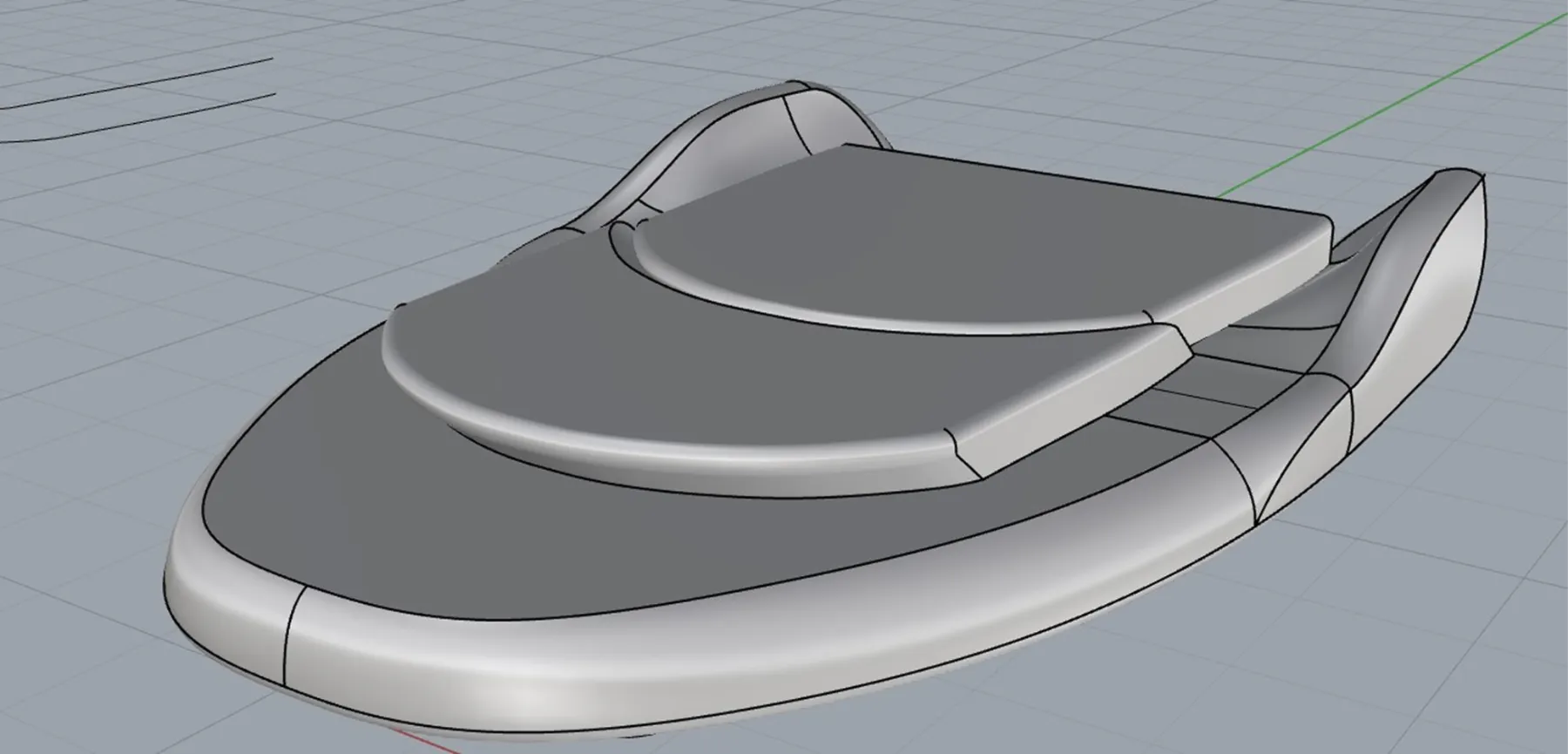
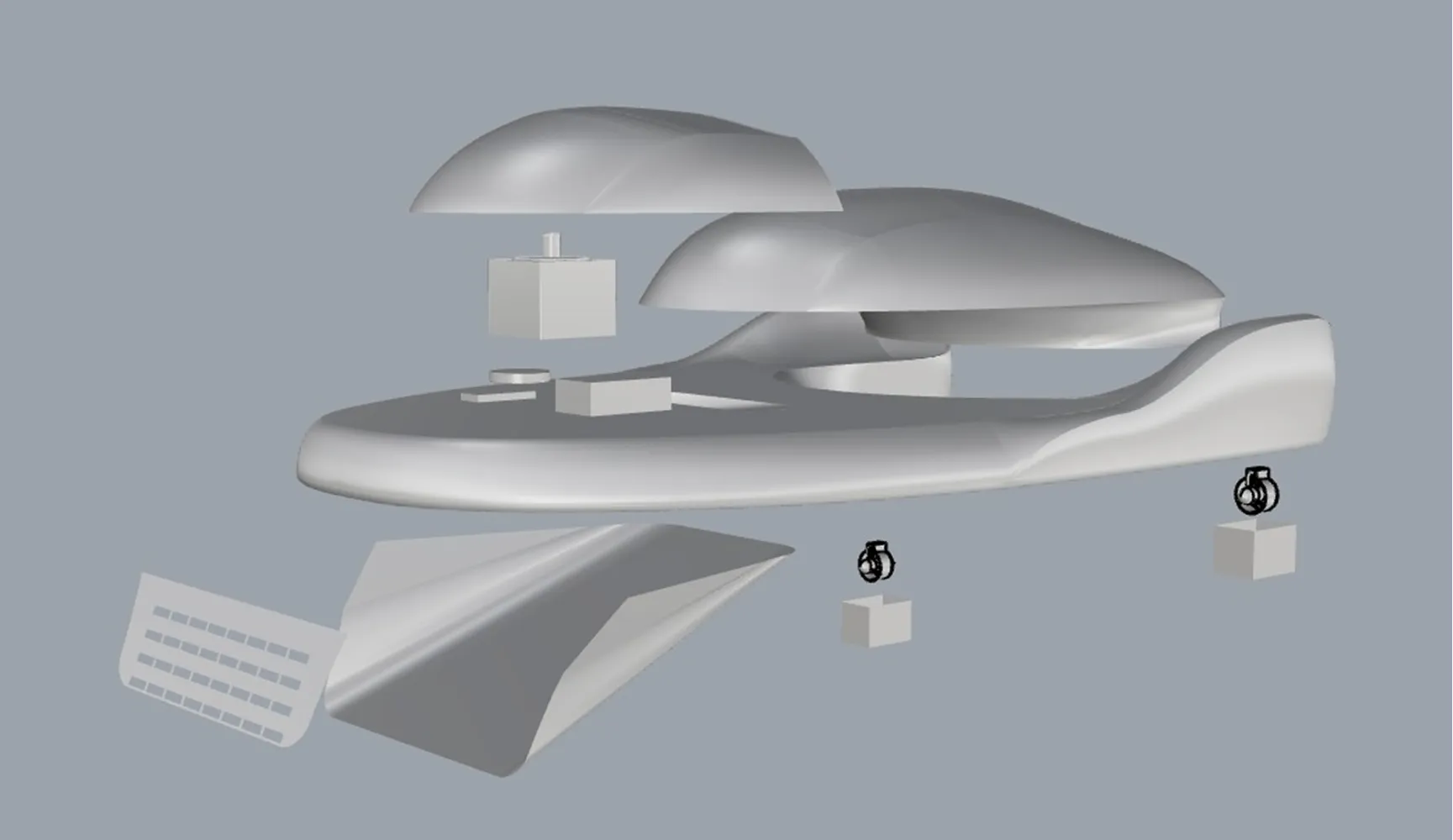
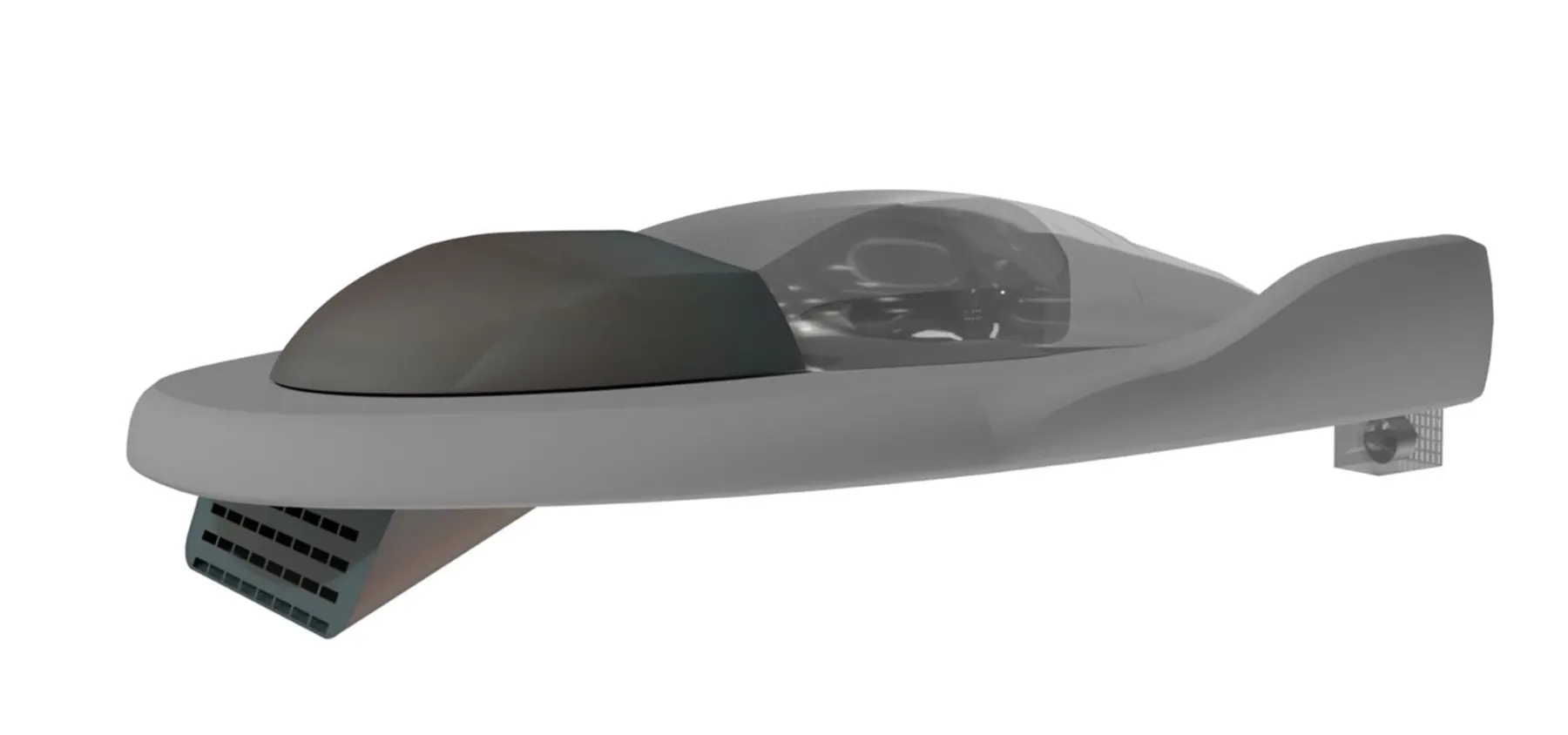
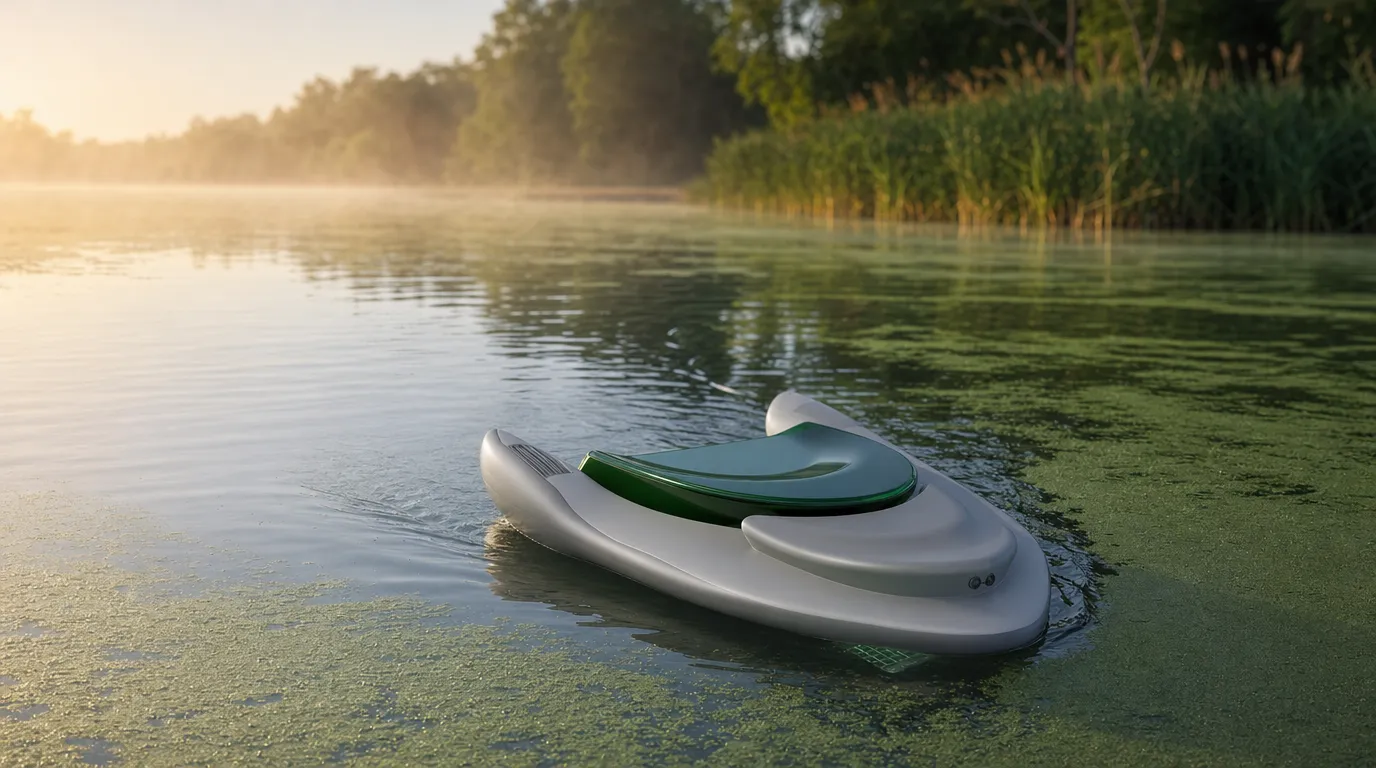
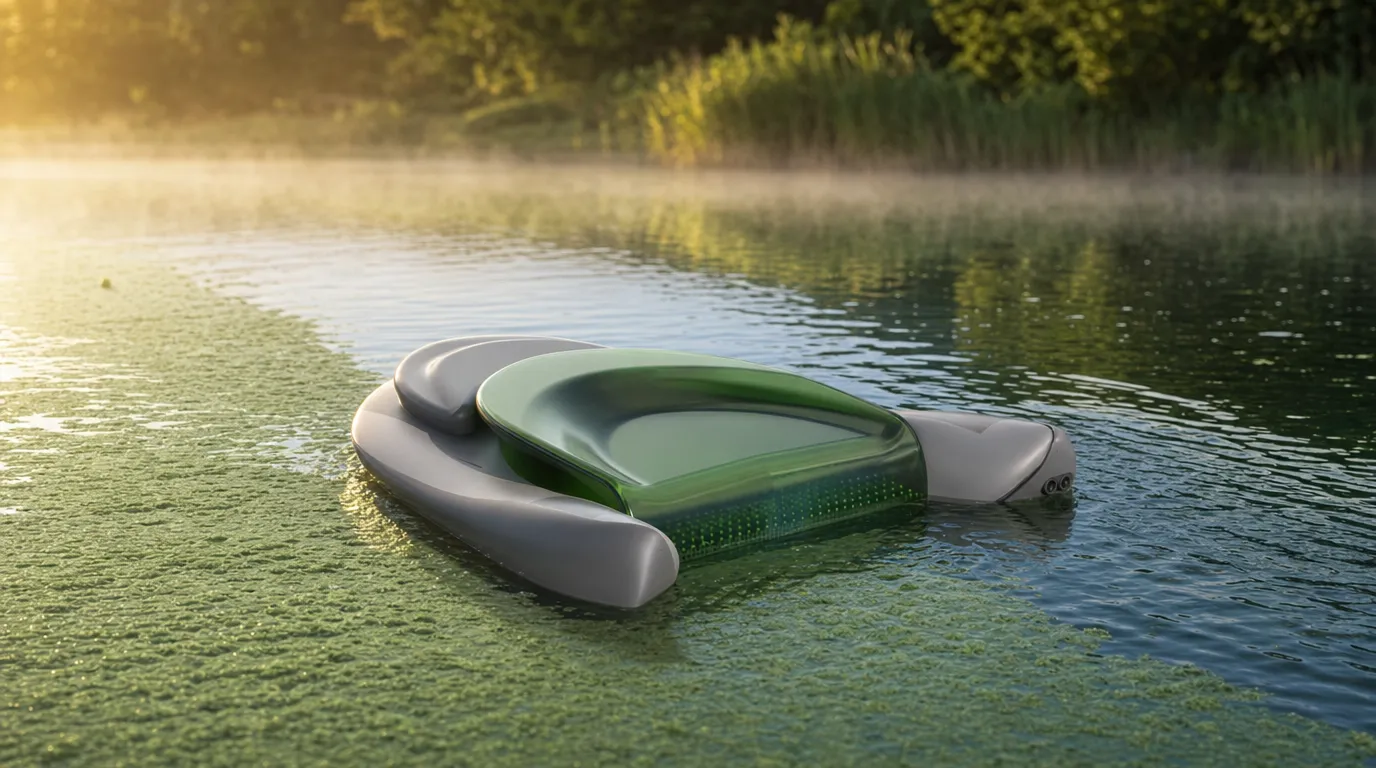
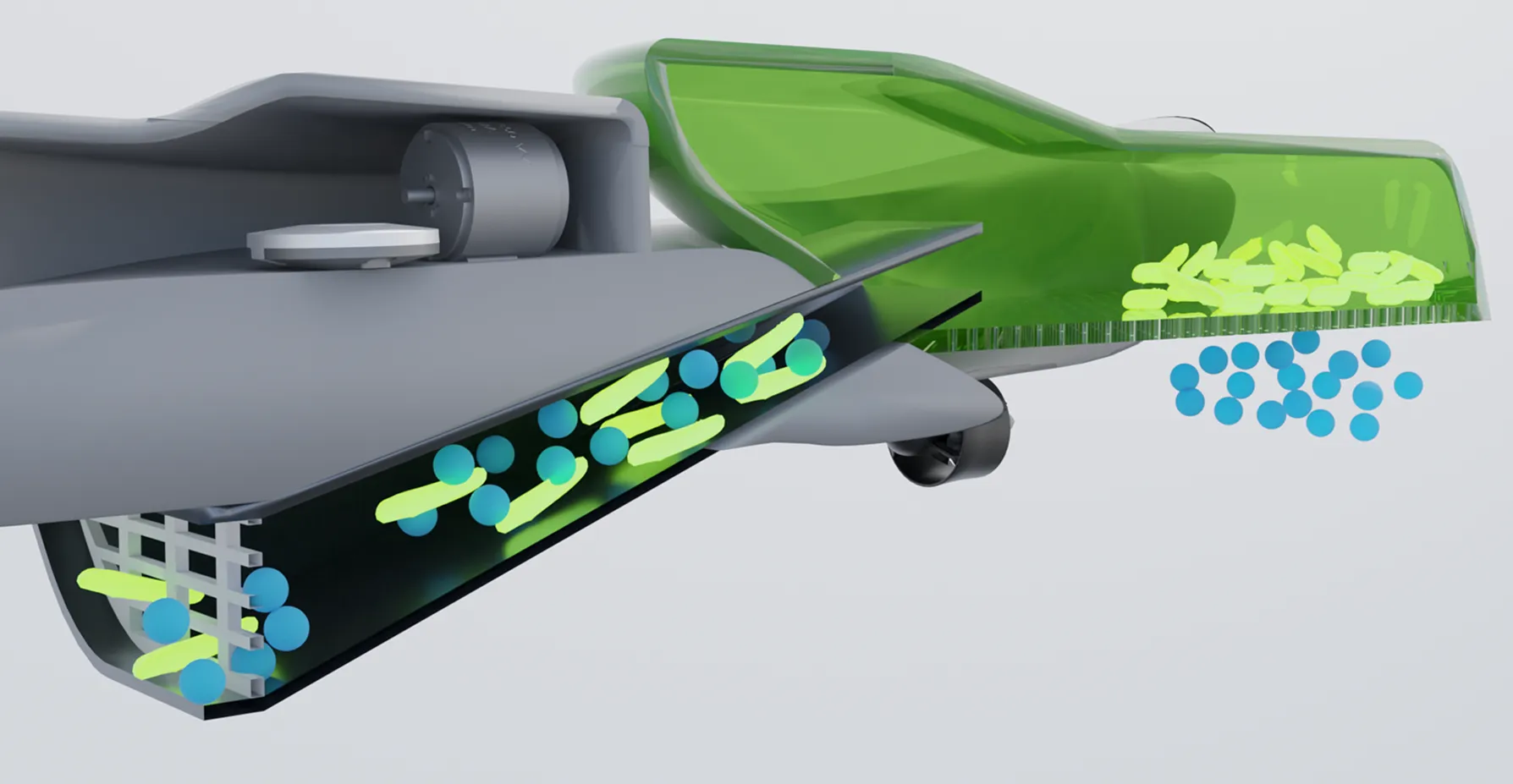
Autonomous unit cleaning the algae from still water bodies.
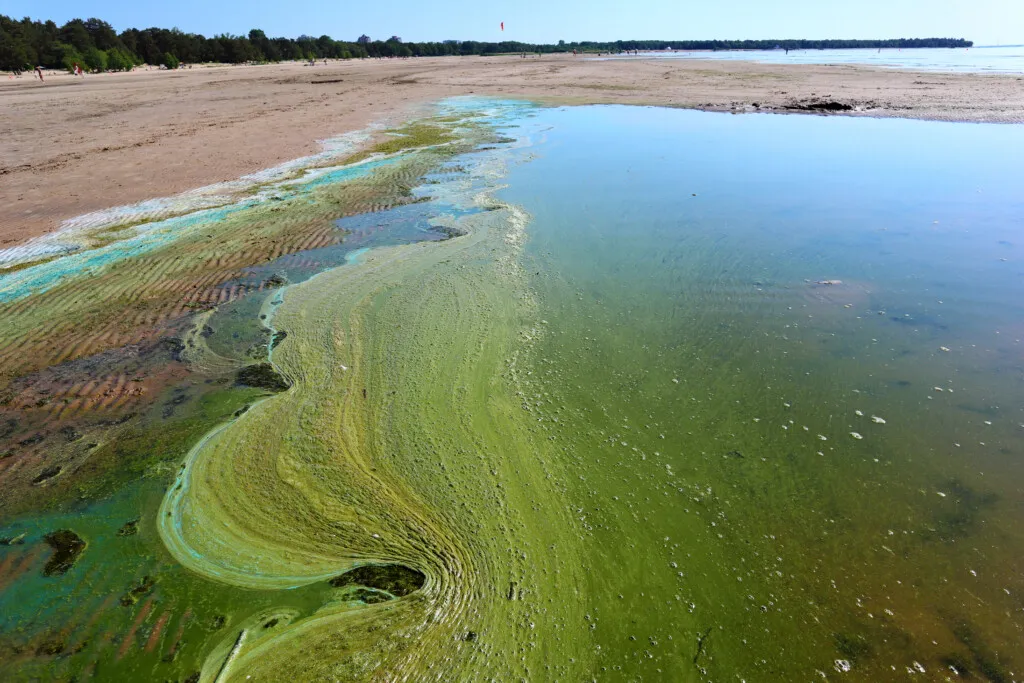
Eutrophication is nutrient driven overgrowth of algae inside still waters, decreasing oxygen and harming environment. Preventing it is crucial for water quality and aquatic life.
Solving eutrophication is crucial to restoring water quality, preventing oxygen depletion, and protecting aquatic life. It ensures healthy ecosystems and sustainable freshwater resources.


There are different types of solutions that are being used right now. But they are expensive, ineffective or they disrupt the biological balance while solving the eutrophication. That’s where our approach comes in.


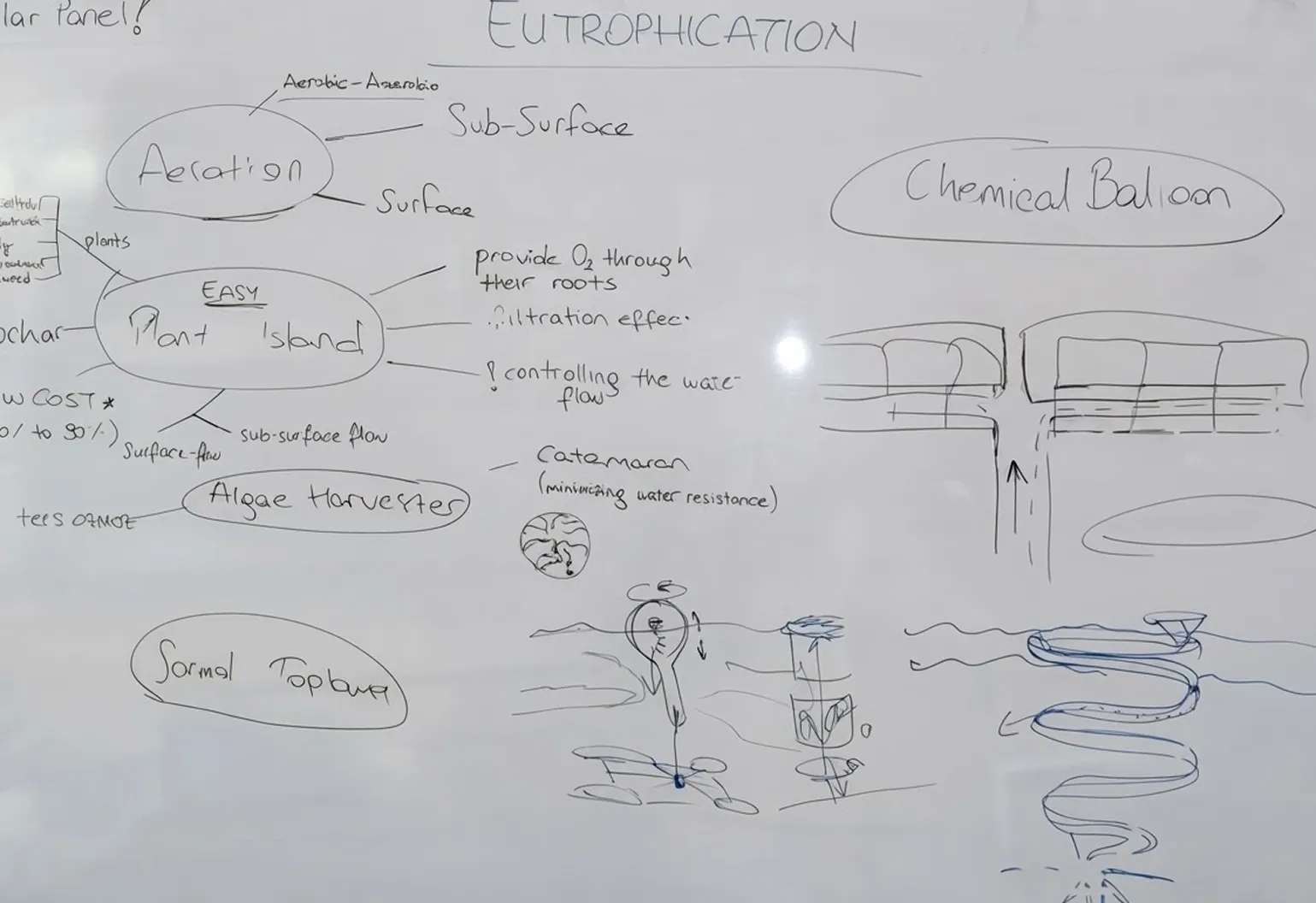
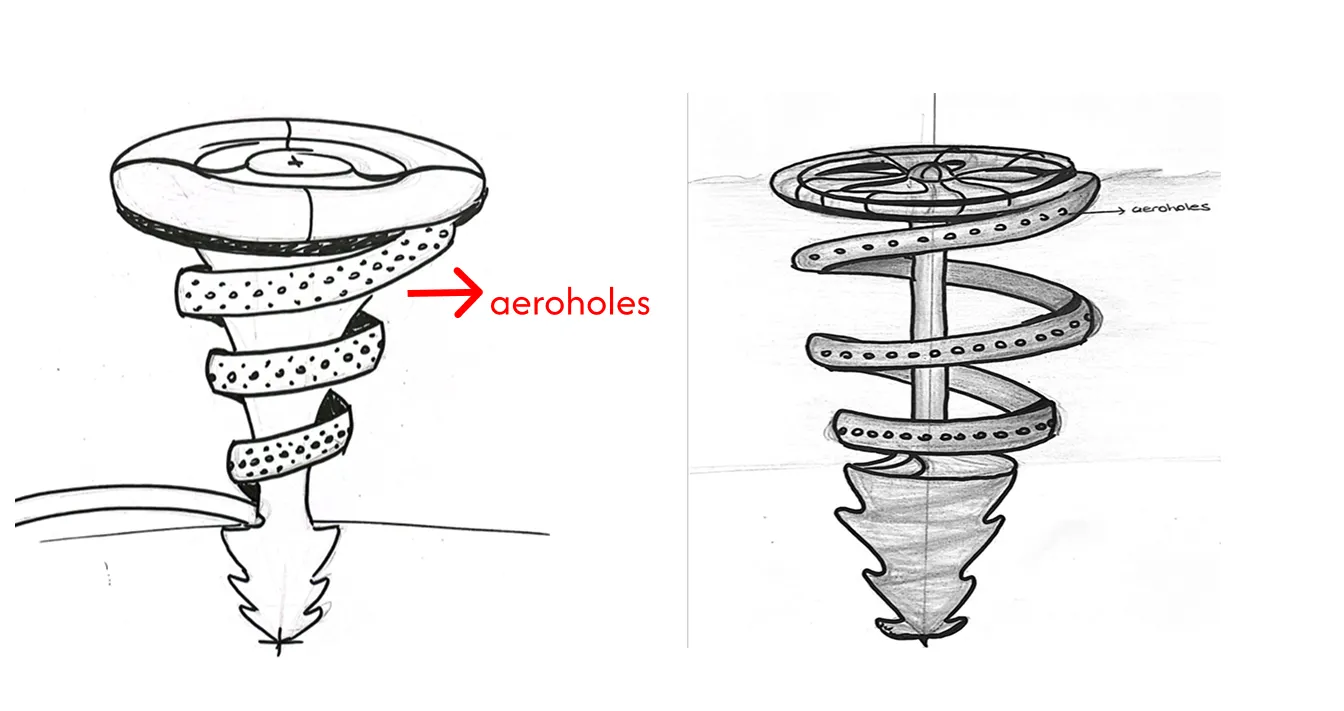
After we detected our problem, we began to discover different solution methods and generated lots of different potential solution concepts under those different methods.
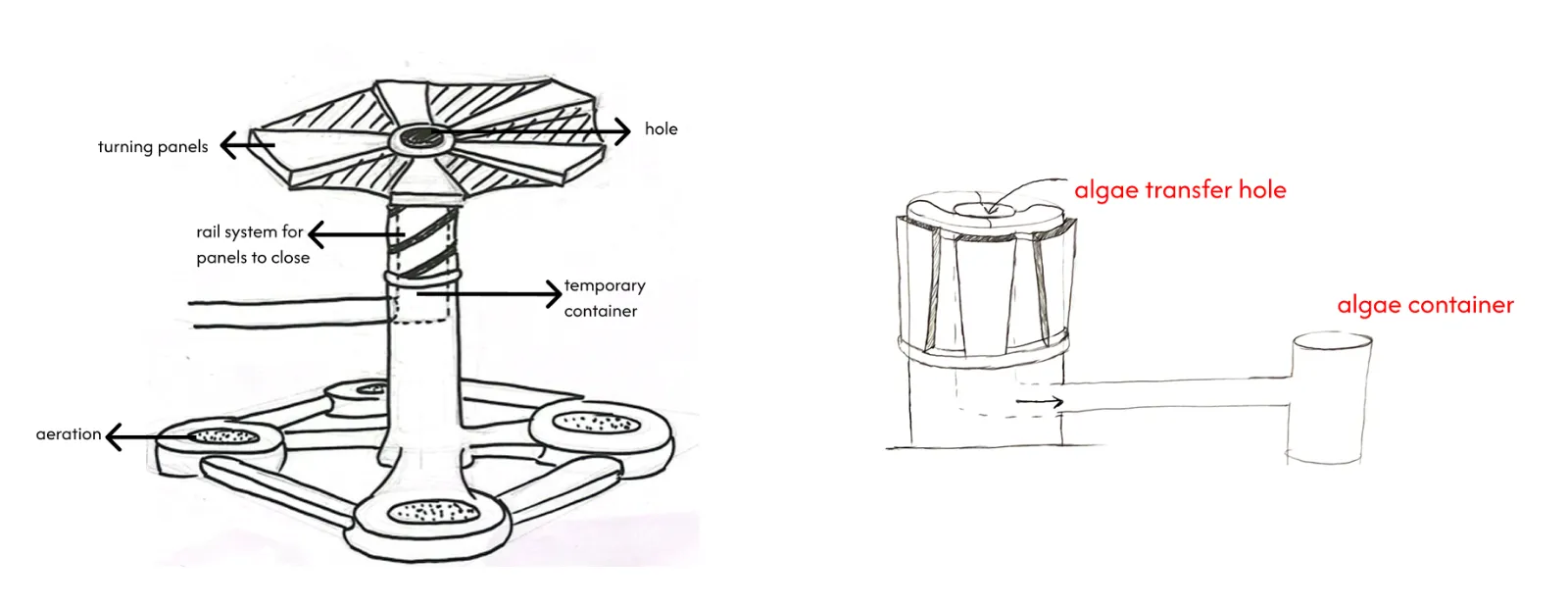
We explored different solutions in different types of methods. We took every aspect of our solutions into consideration, and started developing the one that is more promising.


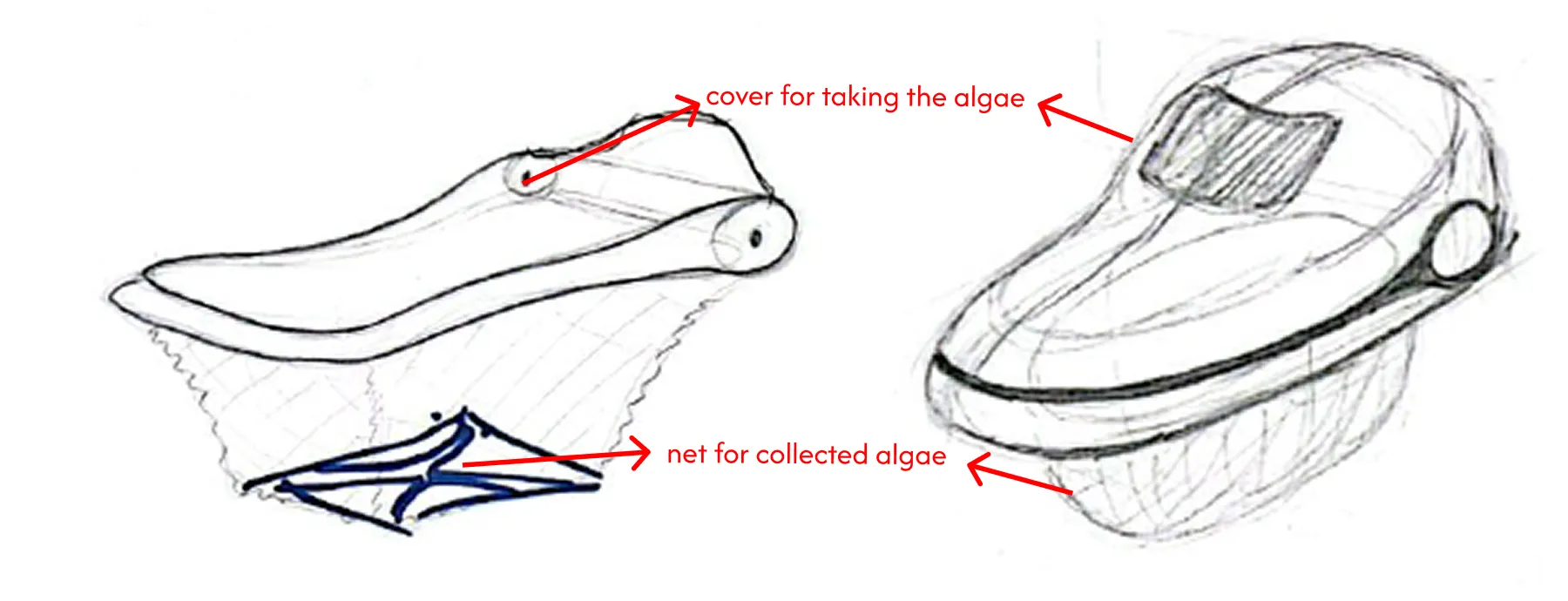
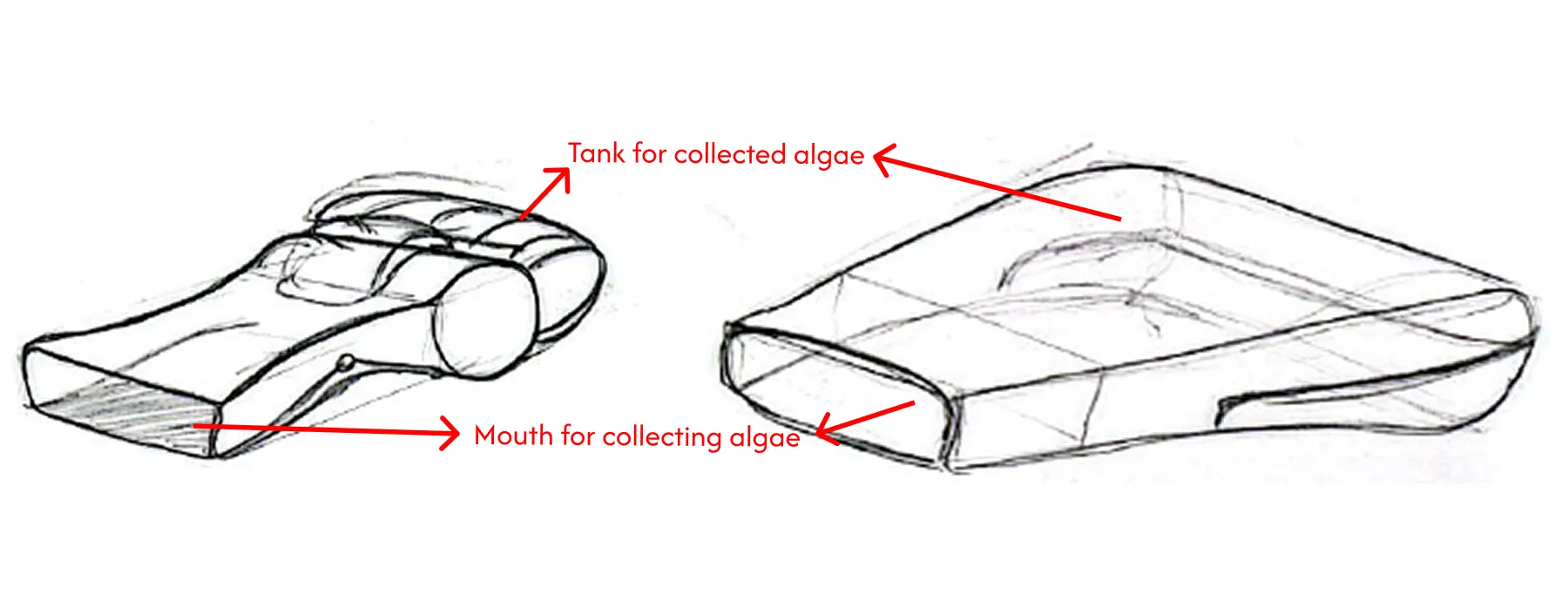
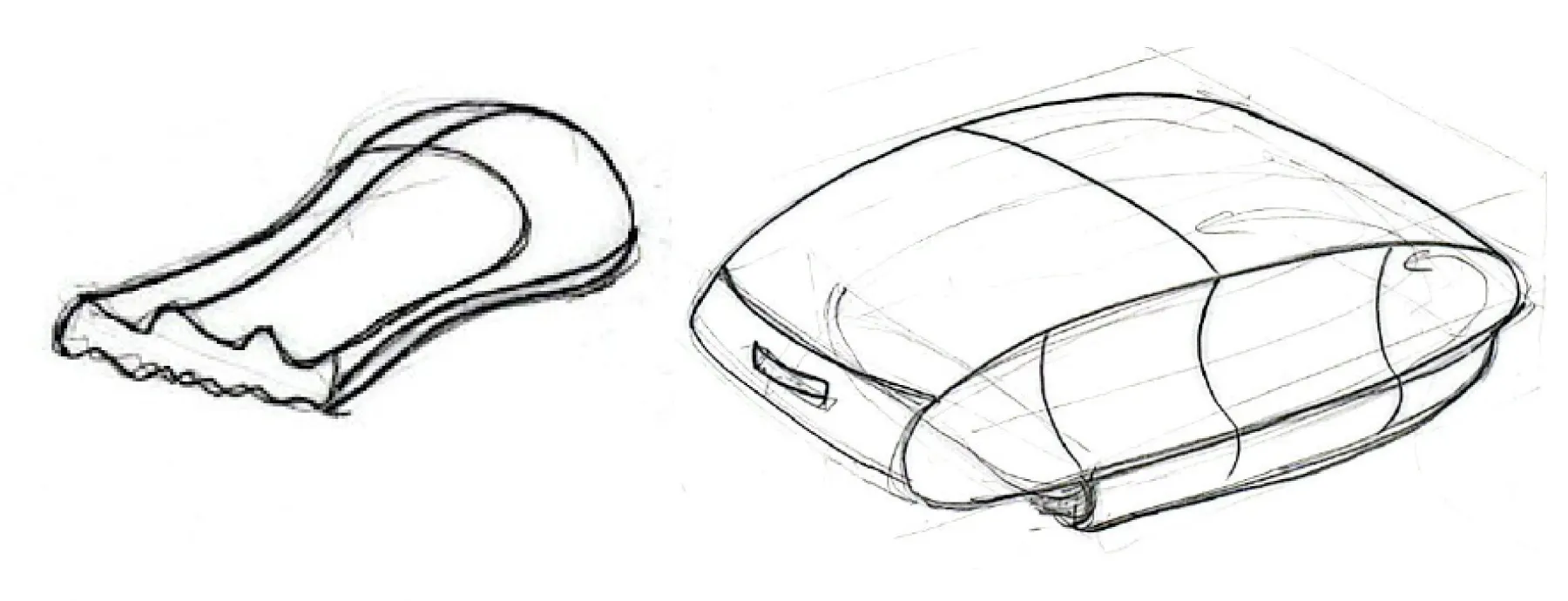
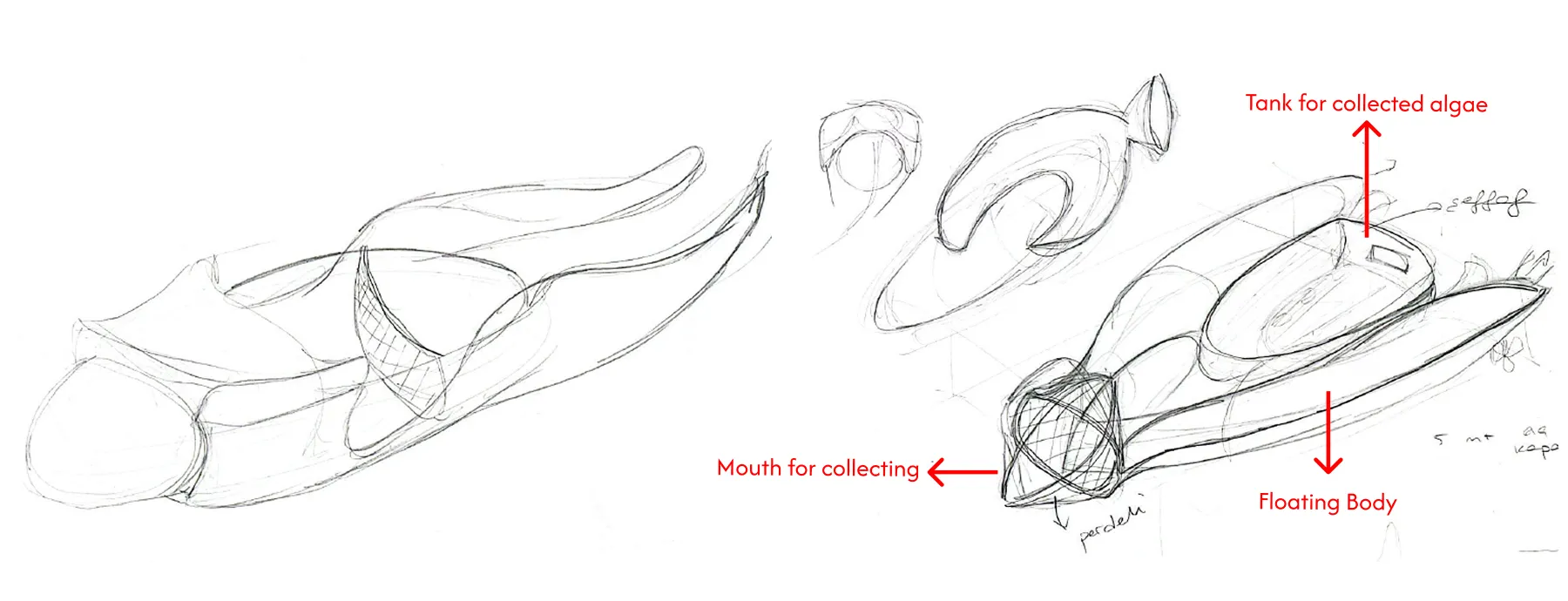
After deciding on our concept, which is an algae cleaner unit for still waters, we started exploring different forms, and different types of smart solutions.


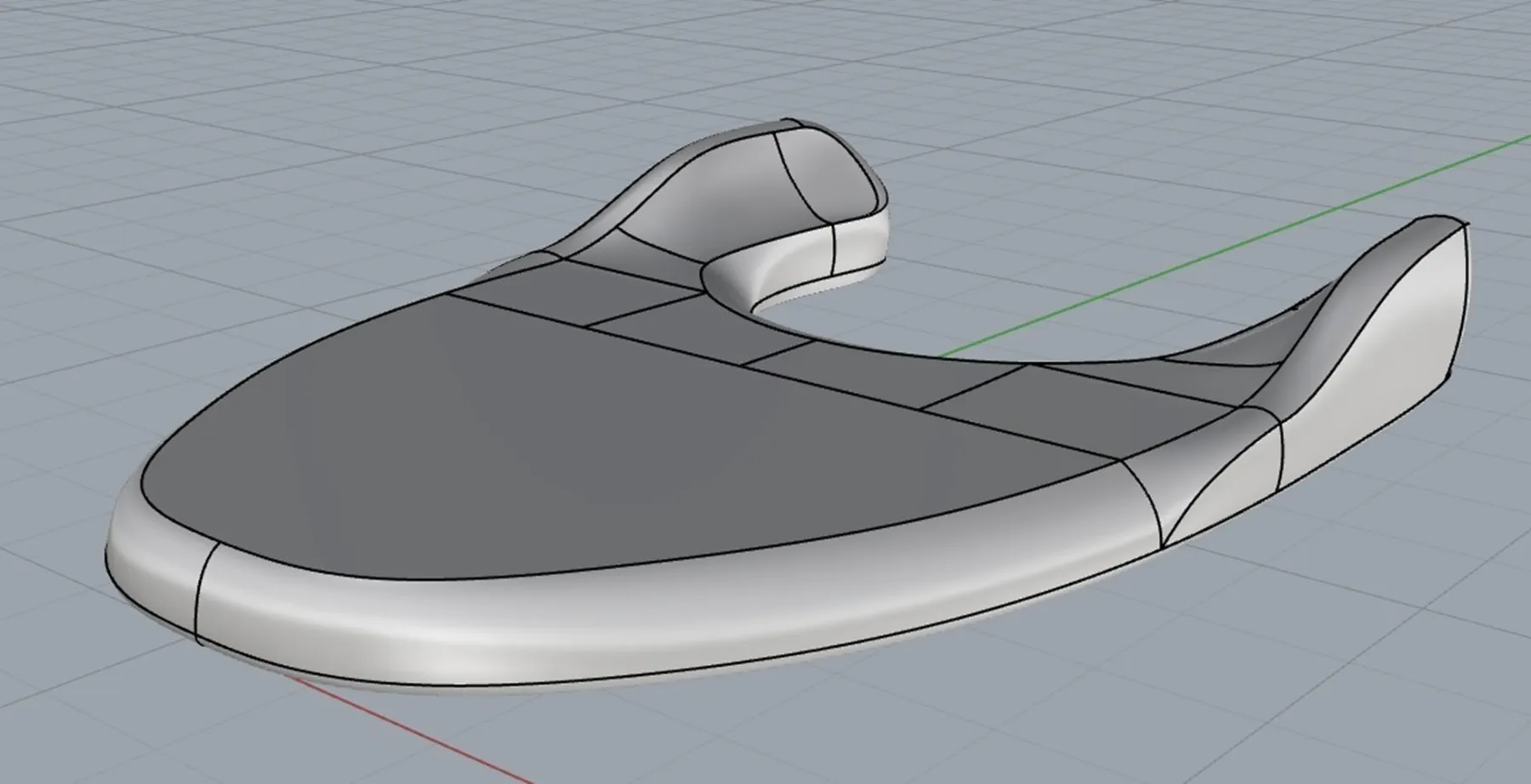
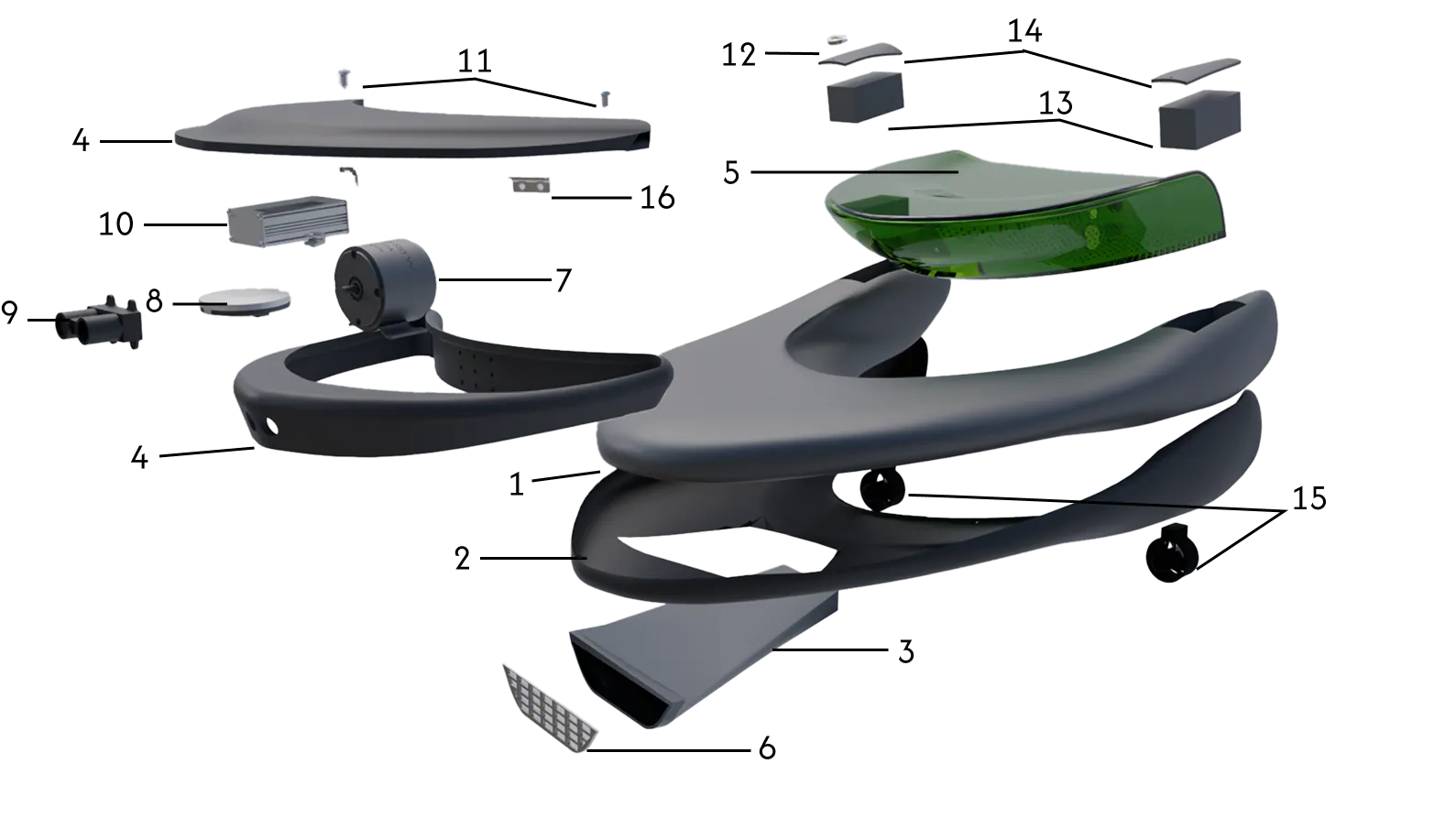
After deciding on the solution type we are going with we started developing our product. Made 3D models to see our idea and to explore different forms.


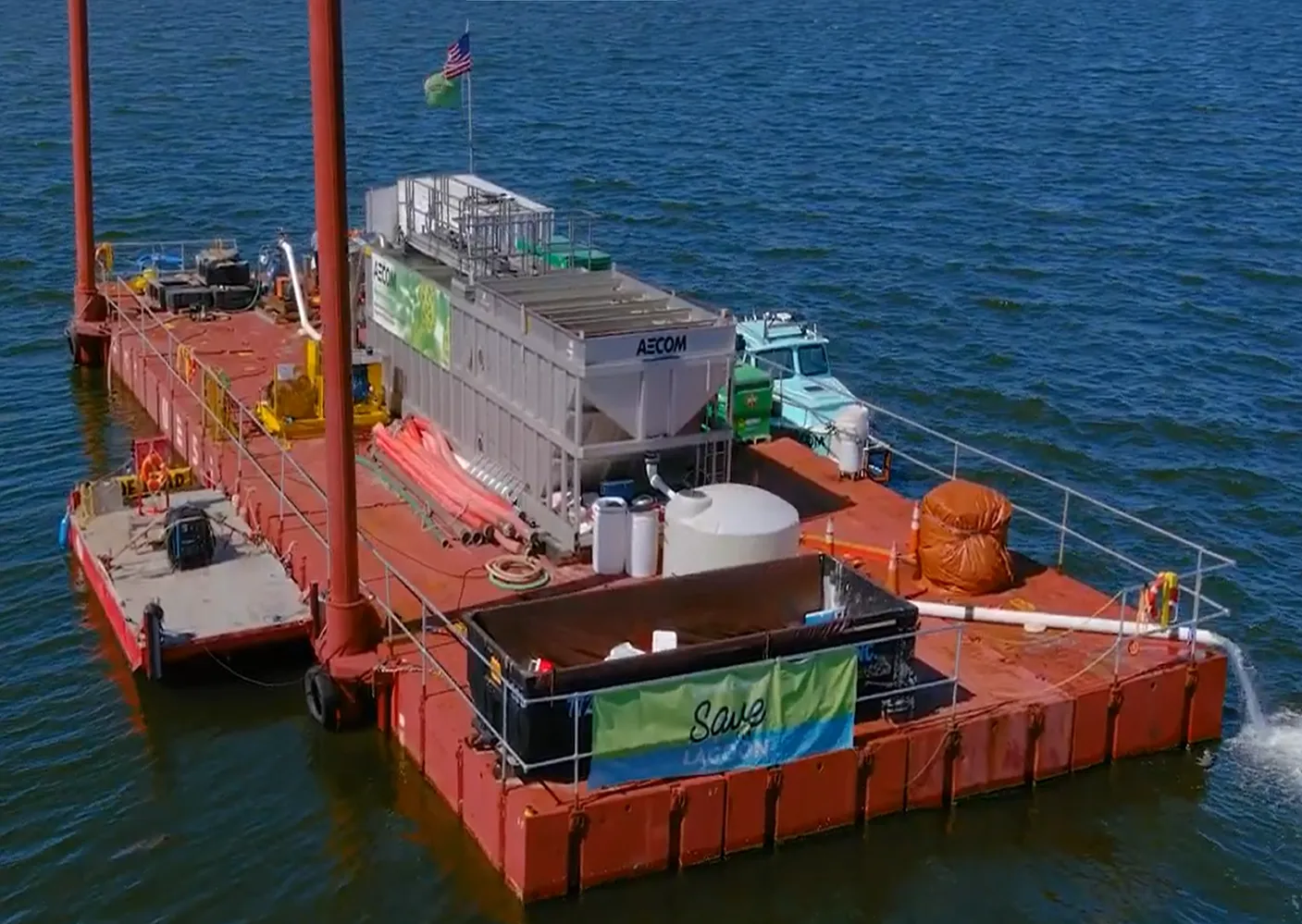
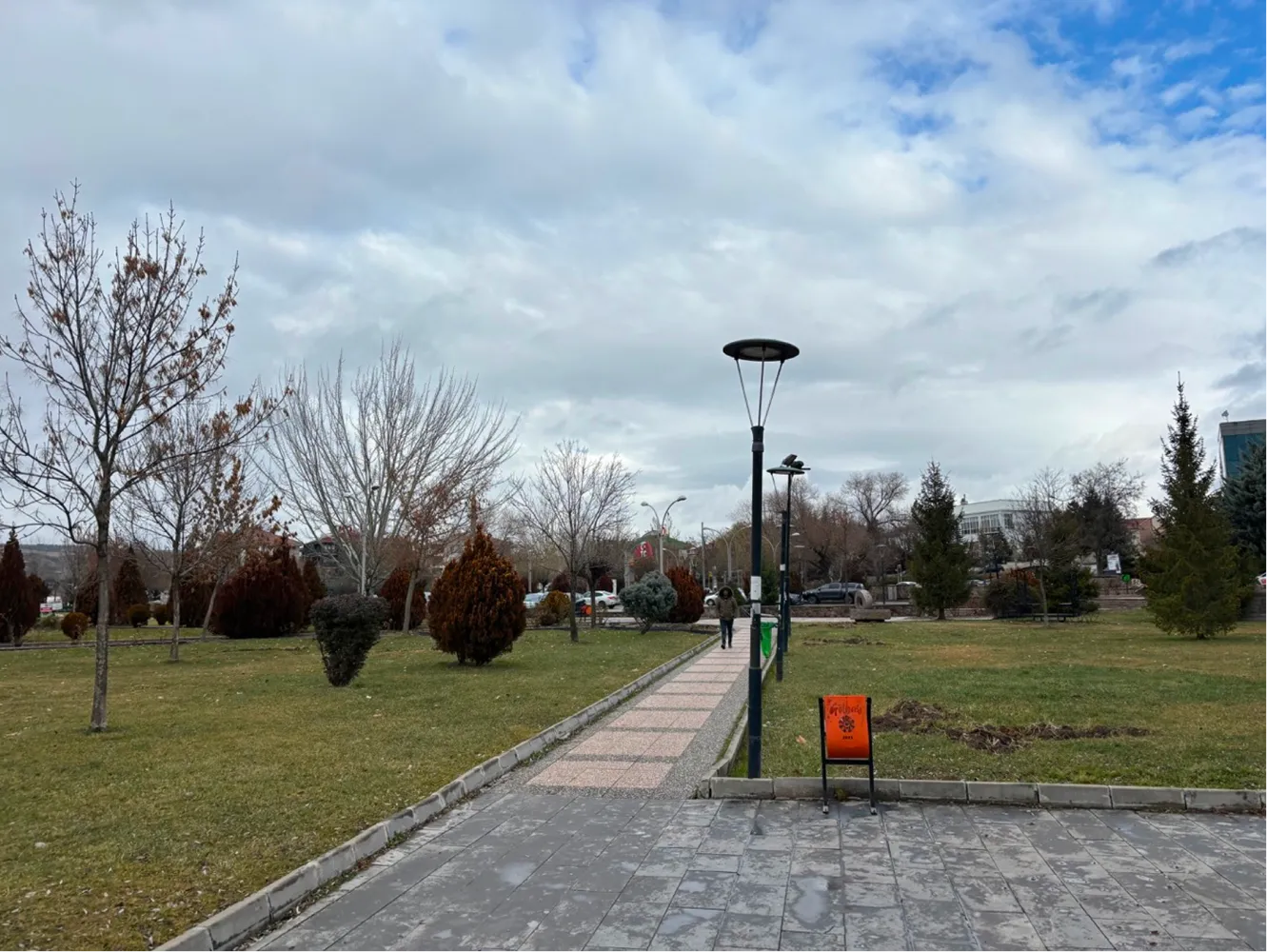
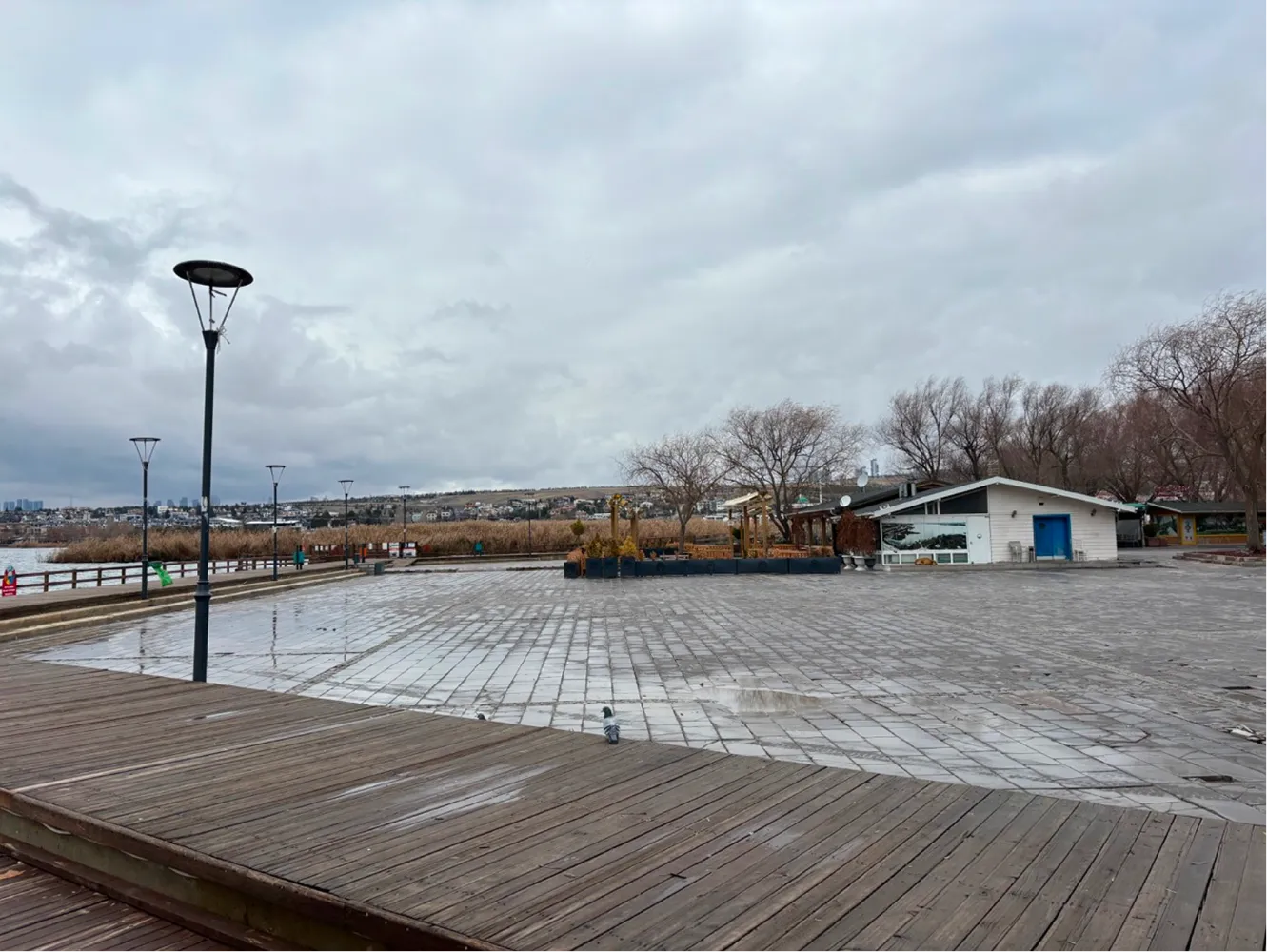
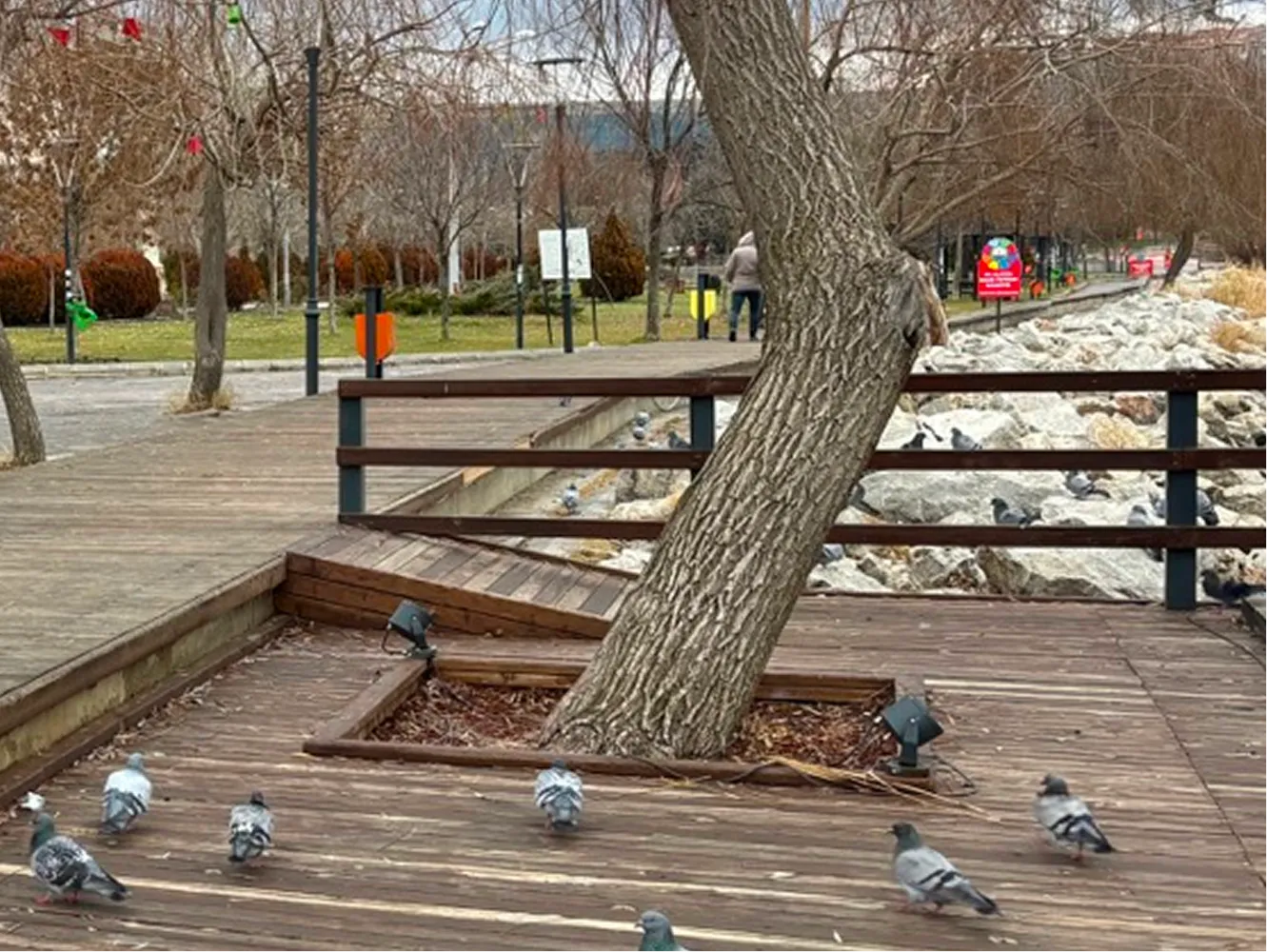
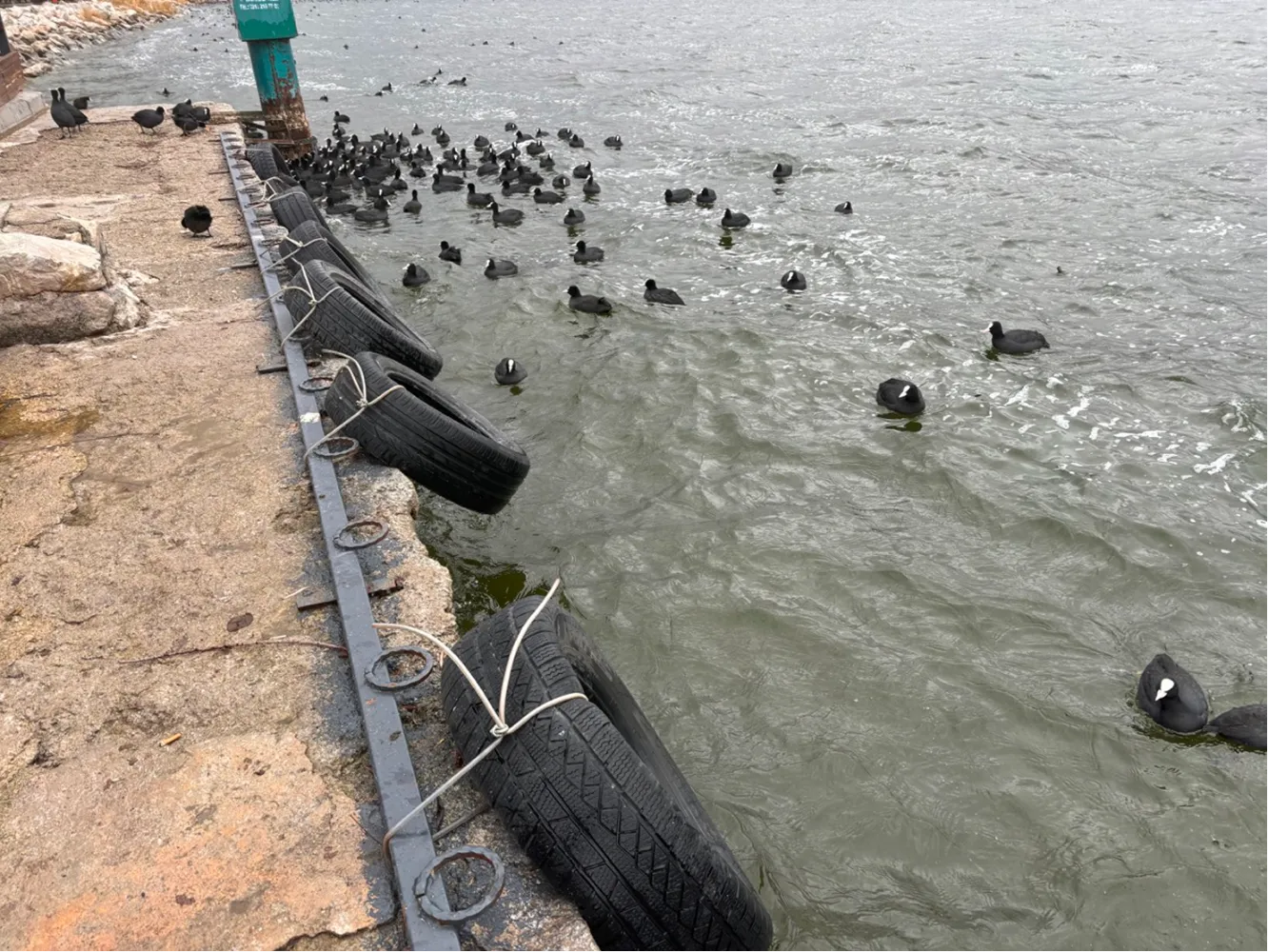
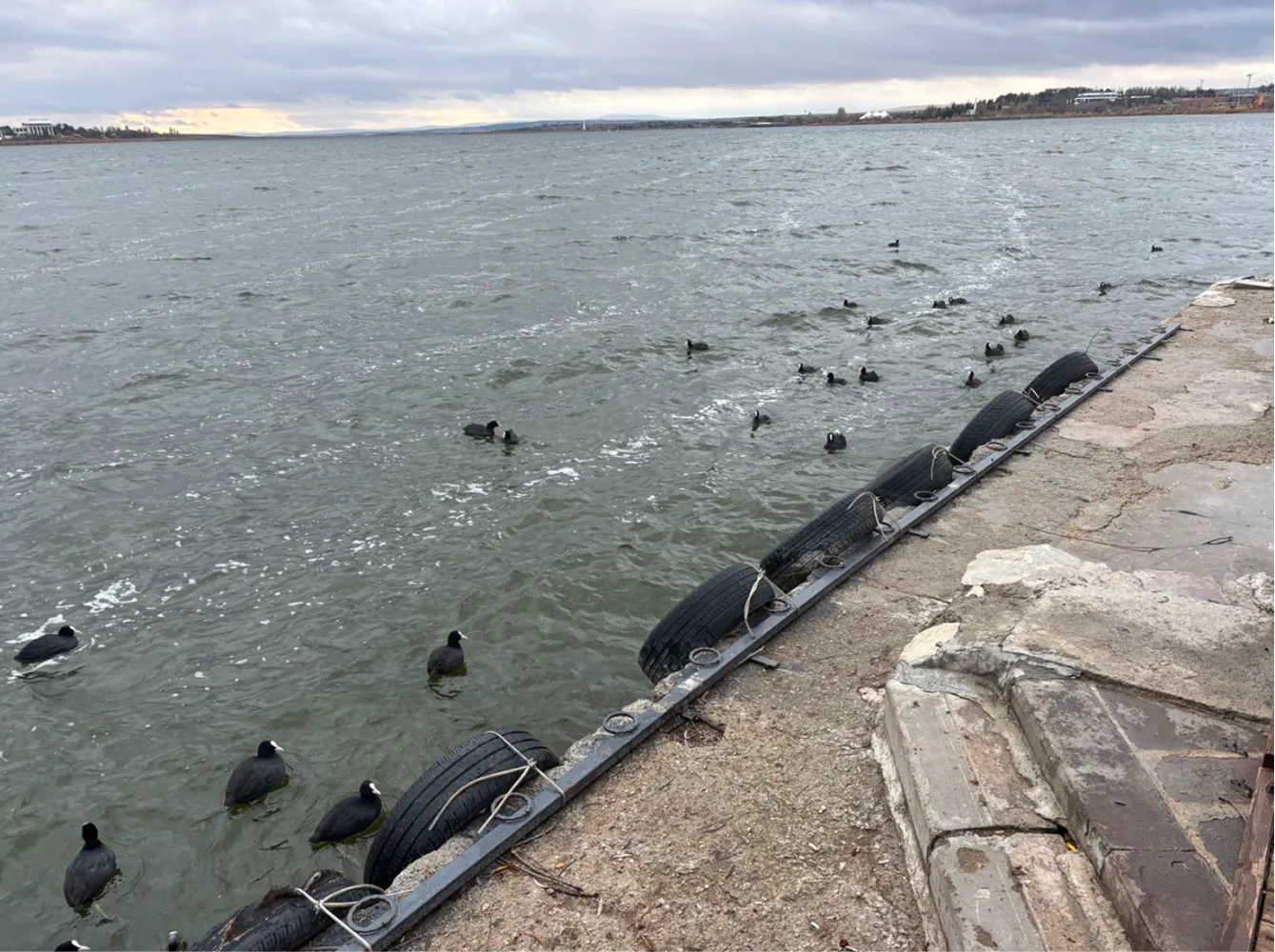
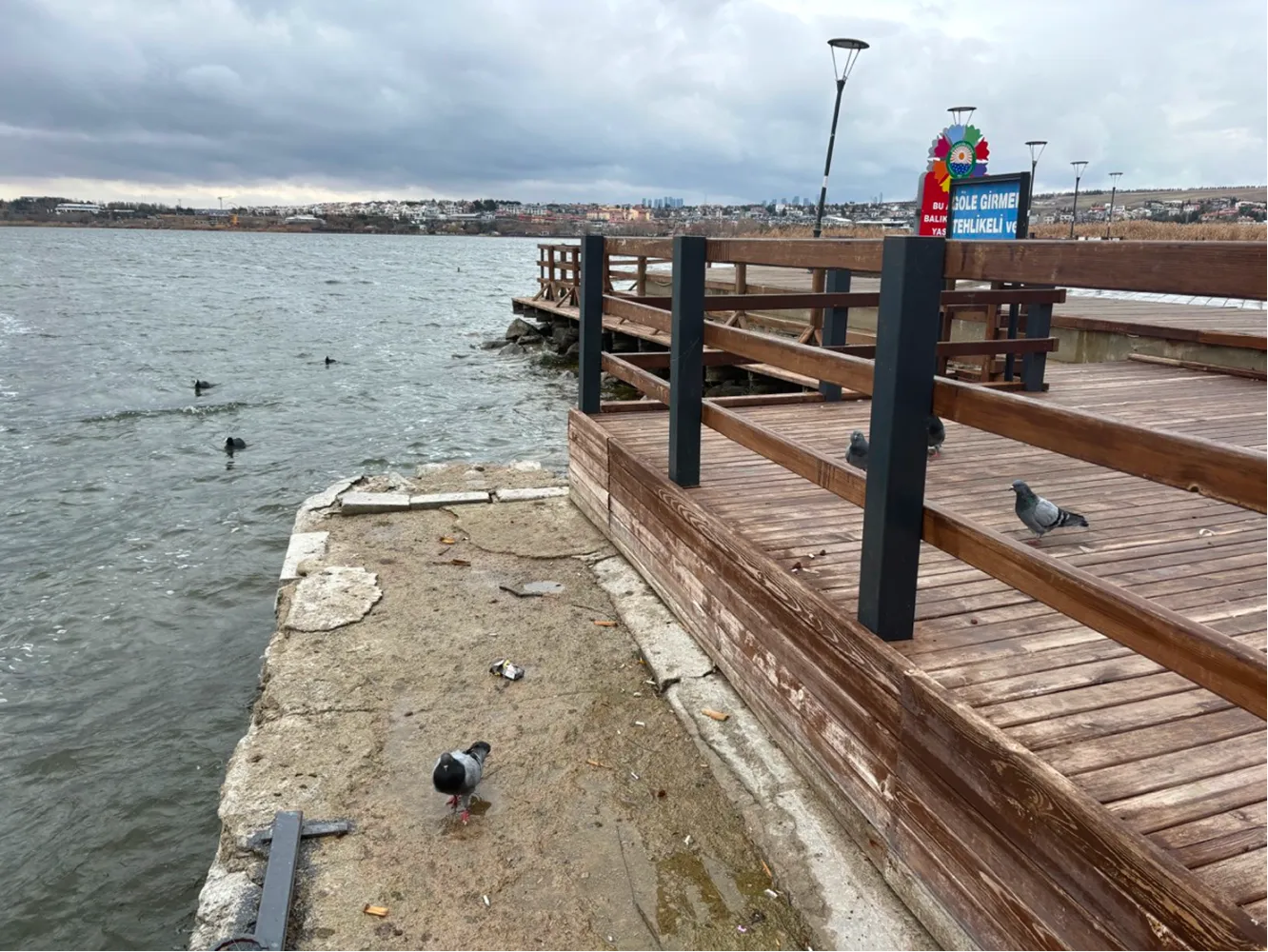
After we decide the form and dimensions of our product. We went to Lake Mogan, which is our study area, to make a field exploration. About how we can transport and install our product on water.
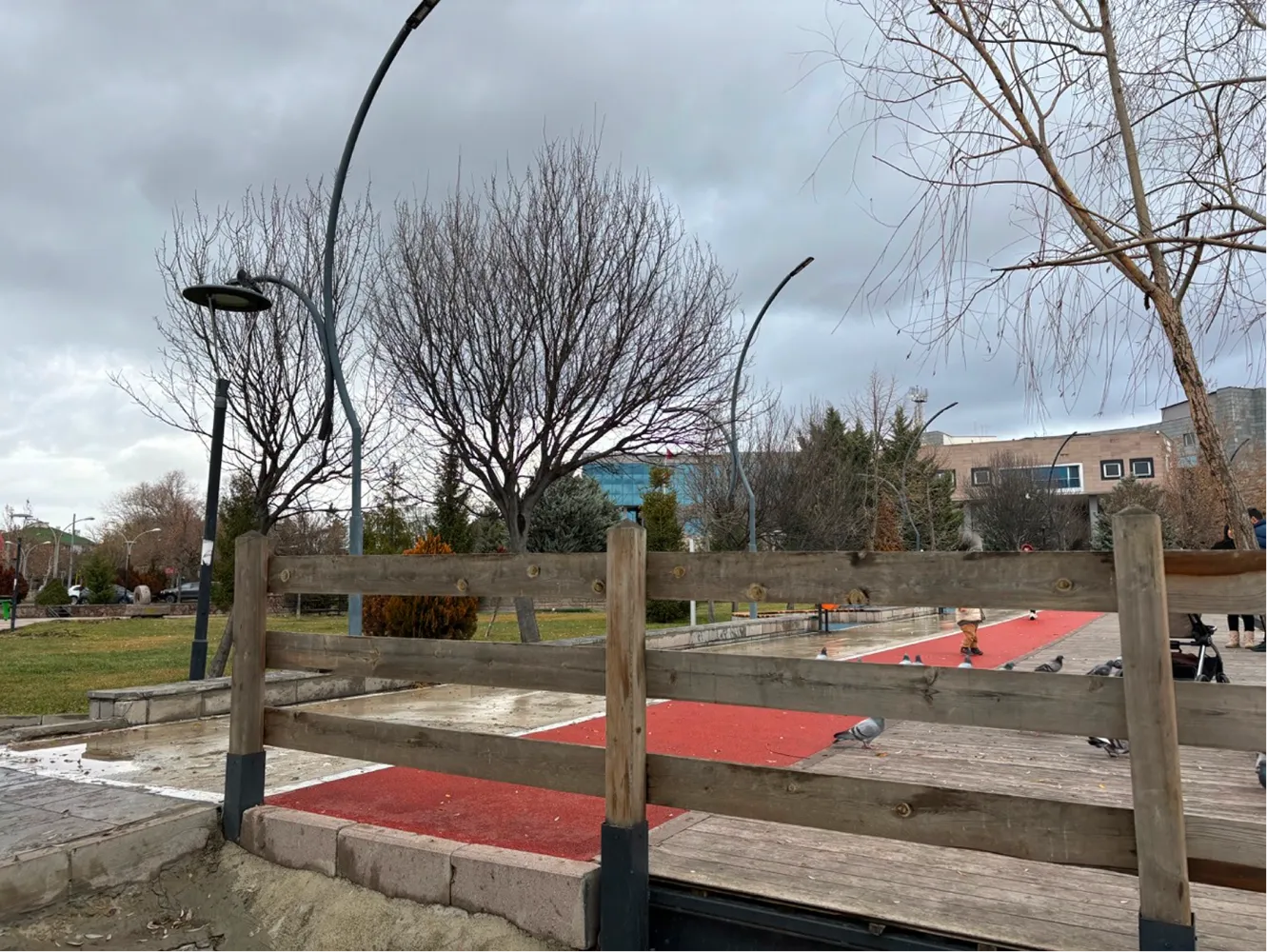
We observed that the access to the area is very convenient and easy. There is a parking lot 2-minutes walk away, and the path has several ramps.


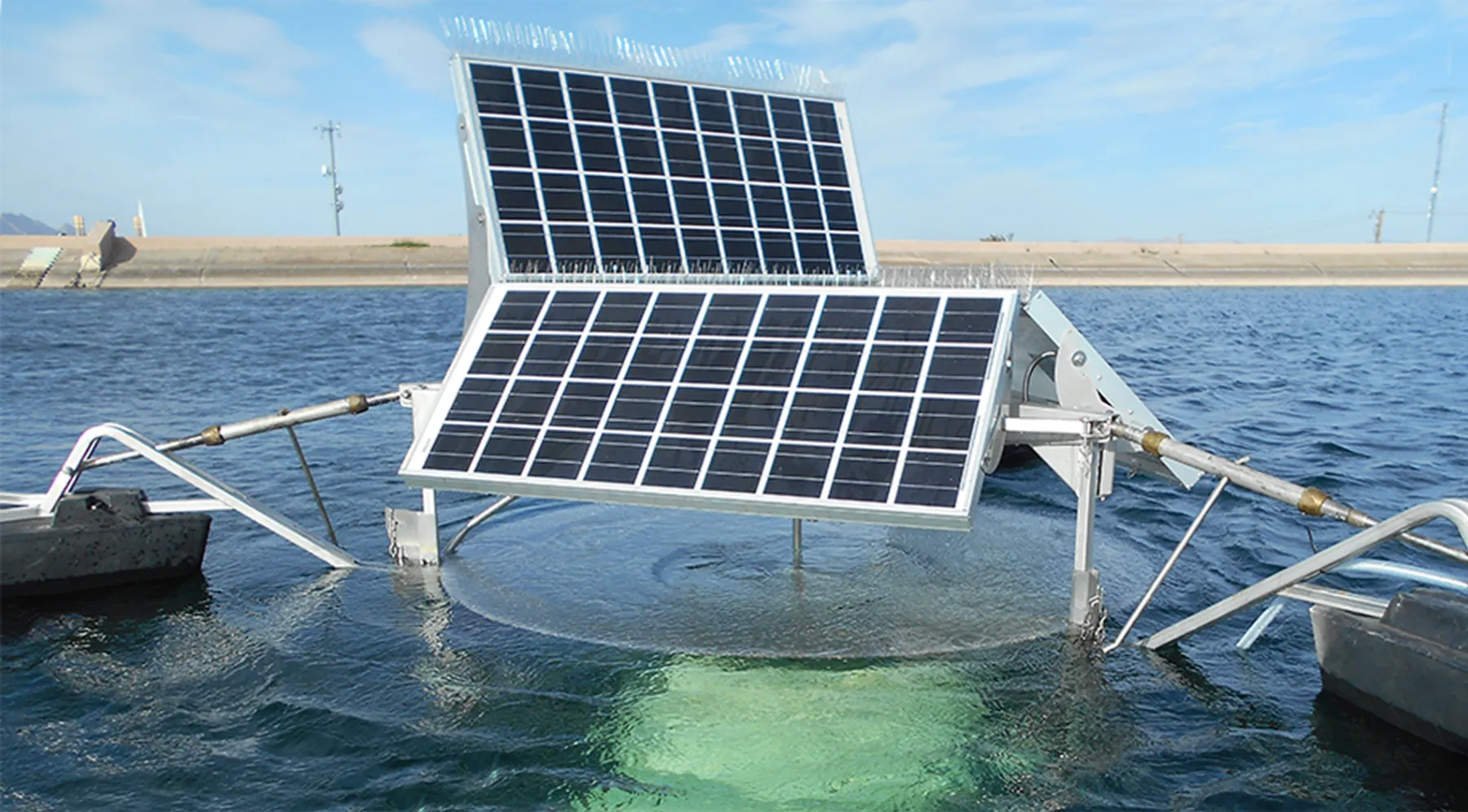
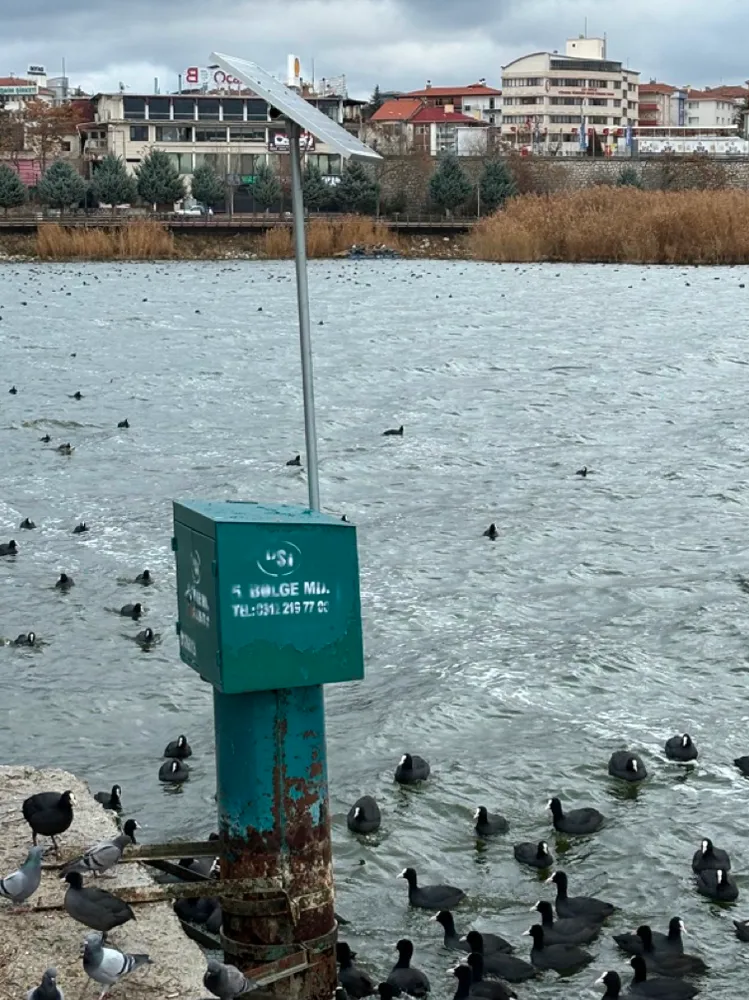
With the dock near the lake the installation of the product is easy. And with the solar panel near the lake, charging is possible.


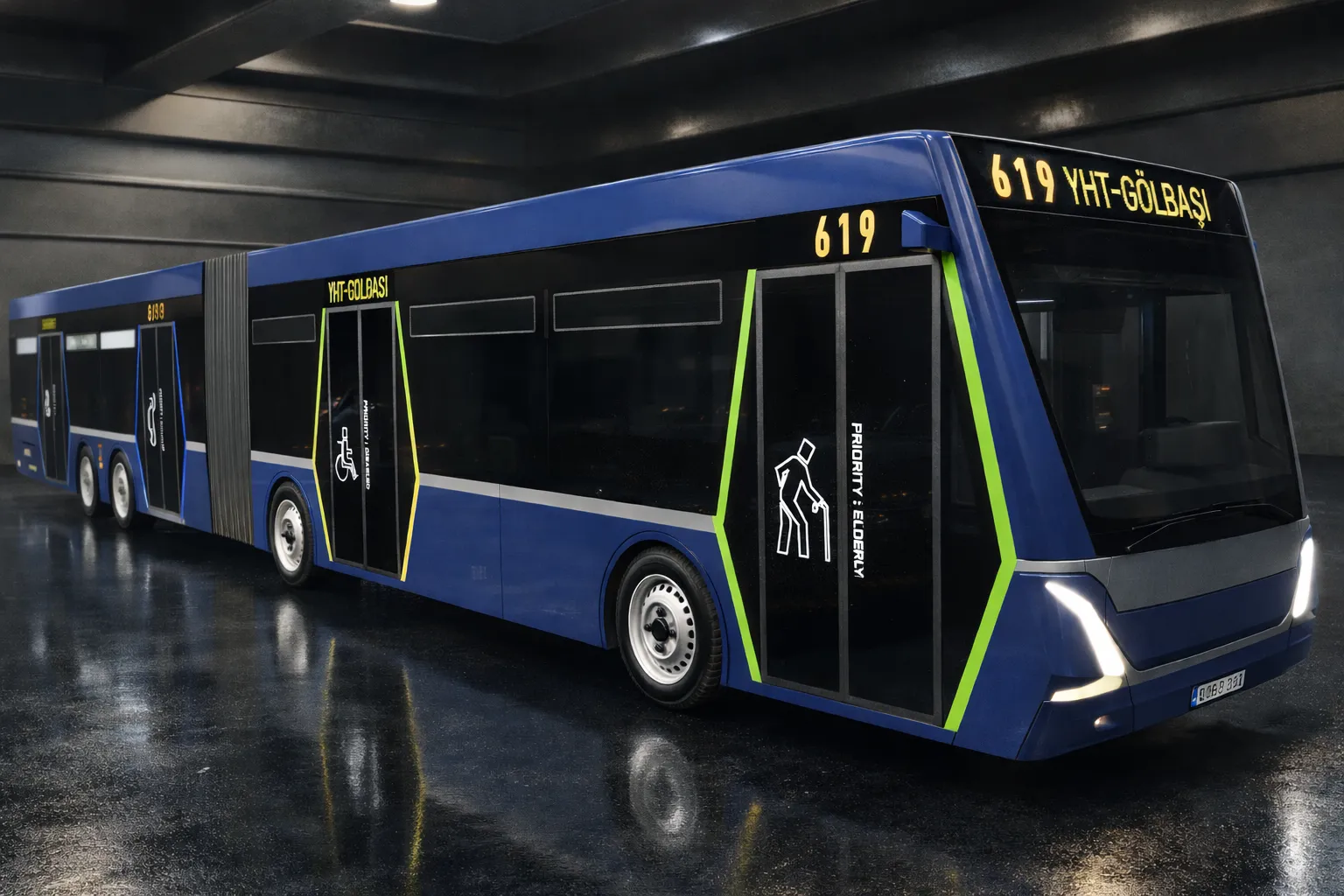
A 25 m electric BRT for Ankara that turns a city journey into a quality experience.
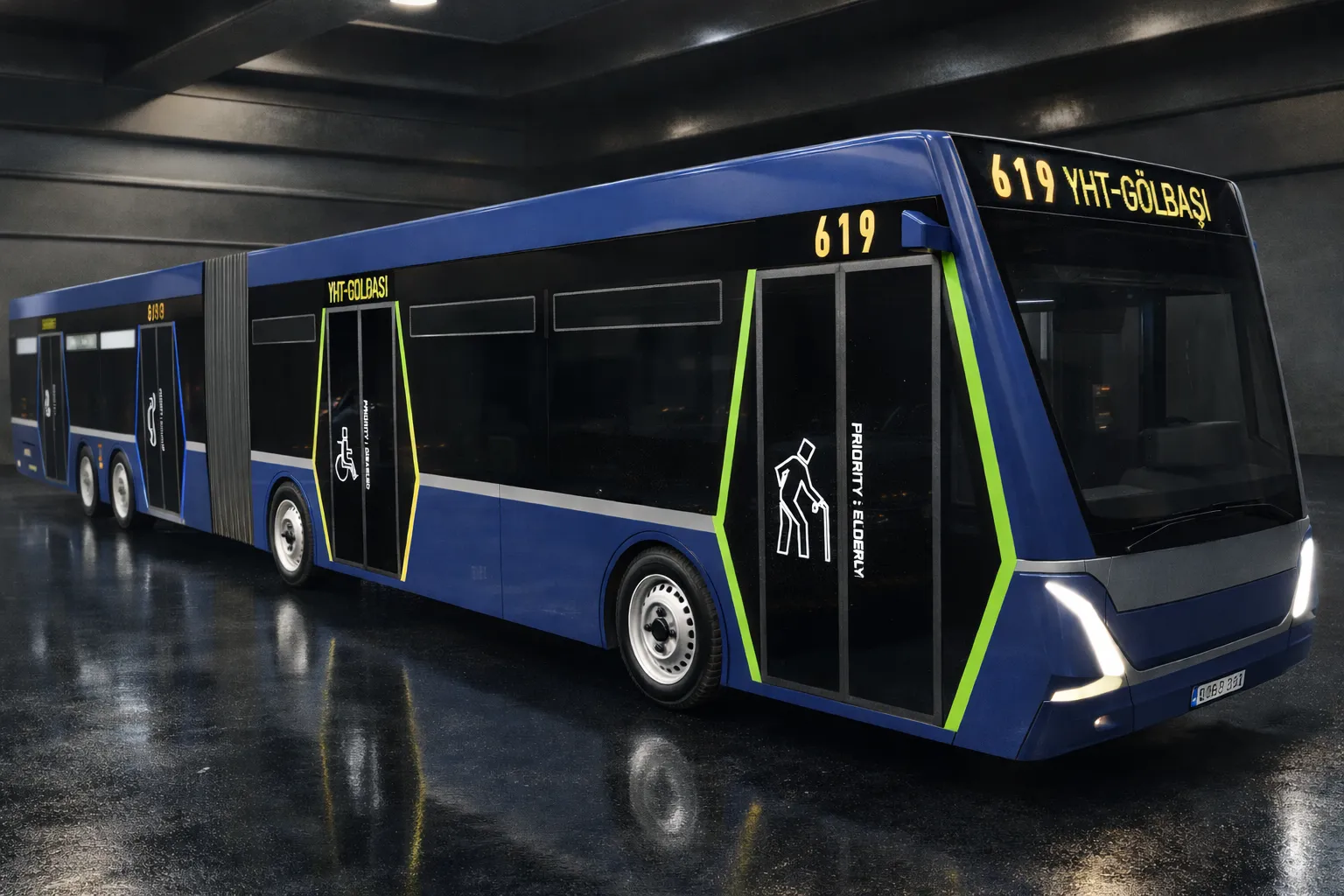
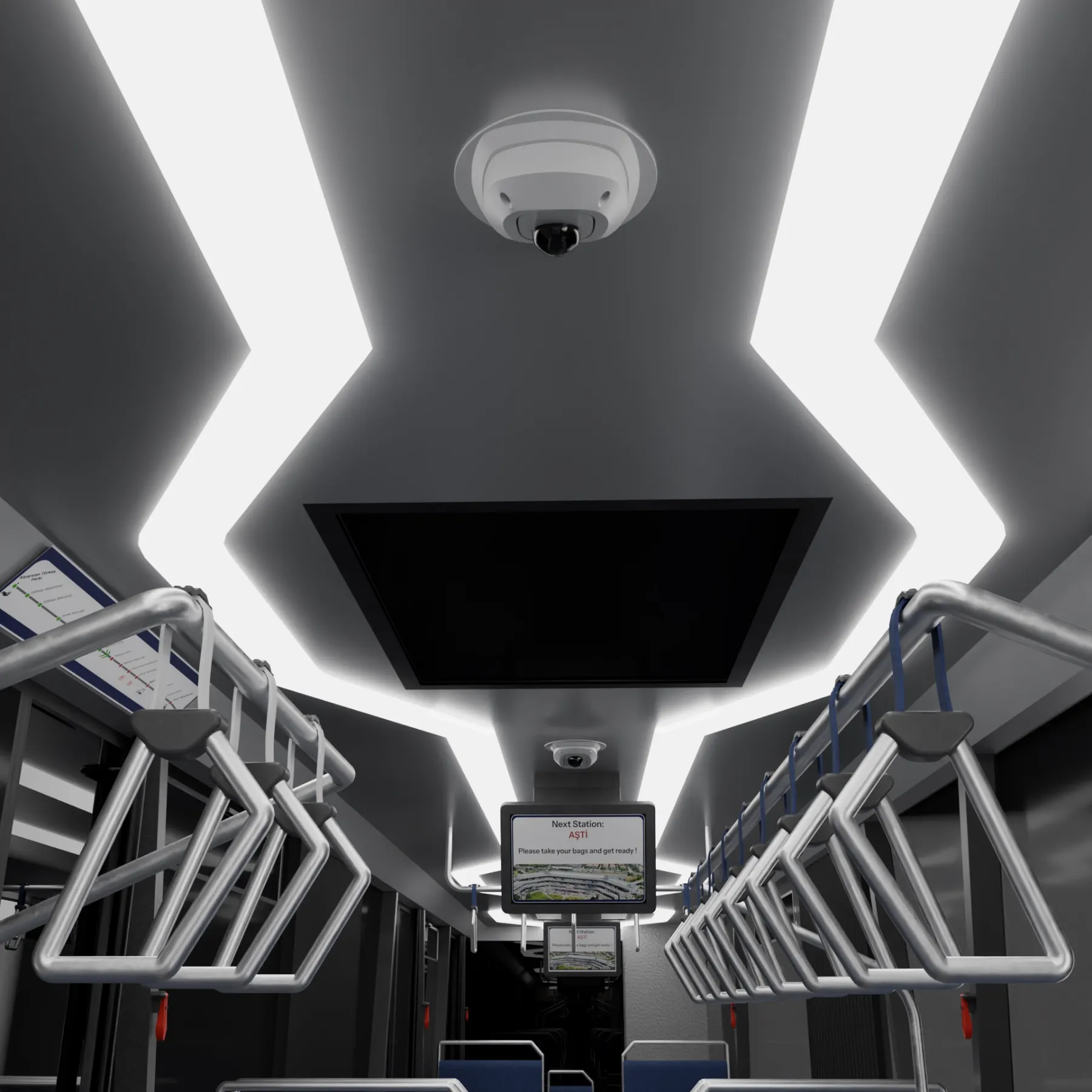
Mo-Gone is an electric BRT bus with a passenger-friendly system. To meet the transport needs of a changing and developing city, it has specialised layouts for user groups travelling to different destinations such as the YHT station, hospitals or campus.
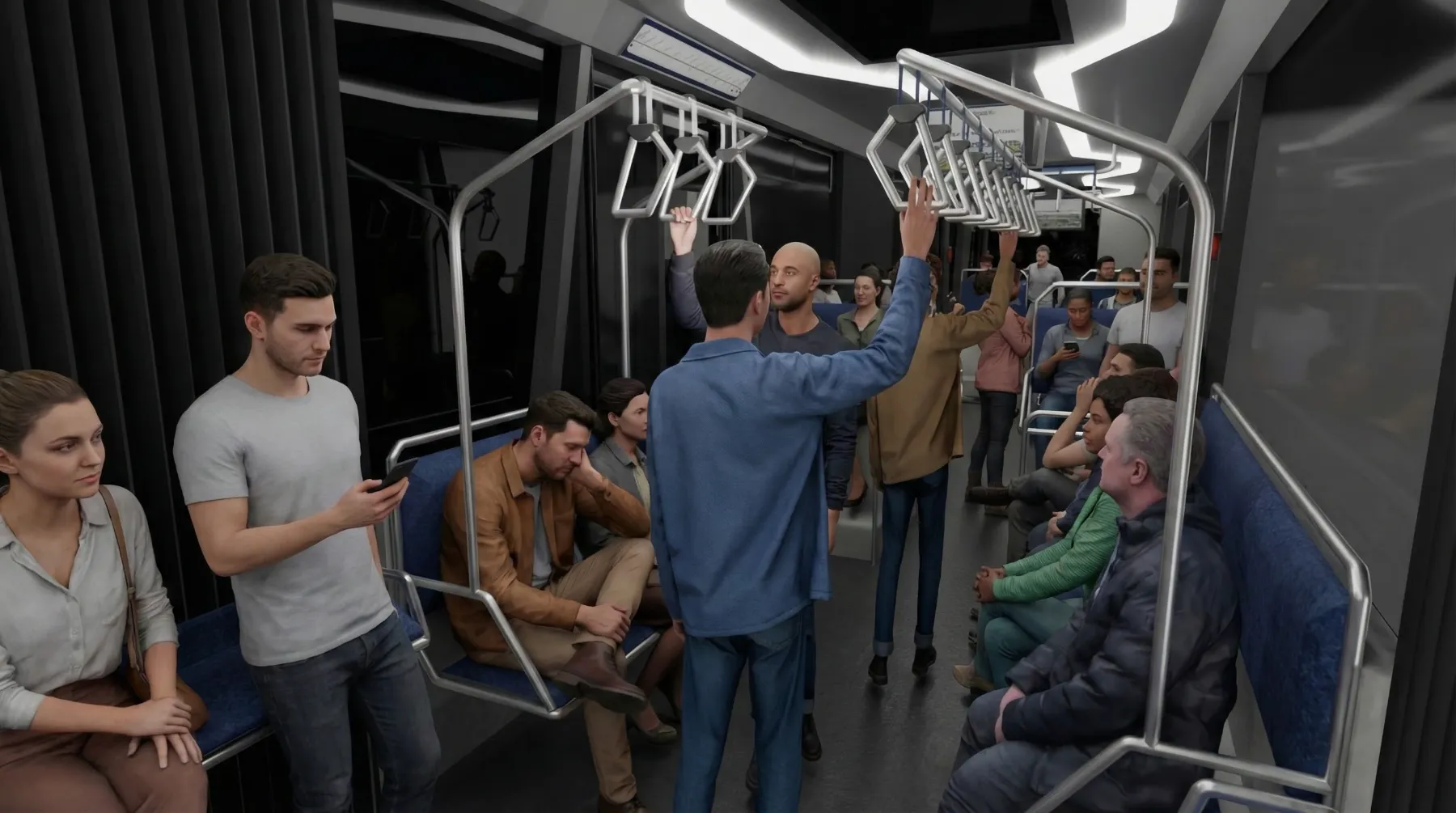
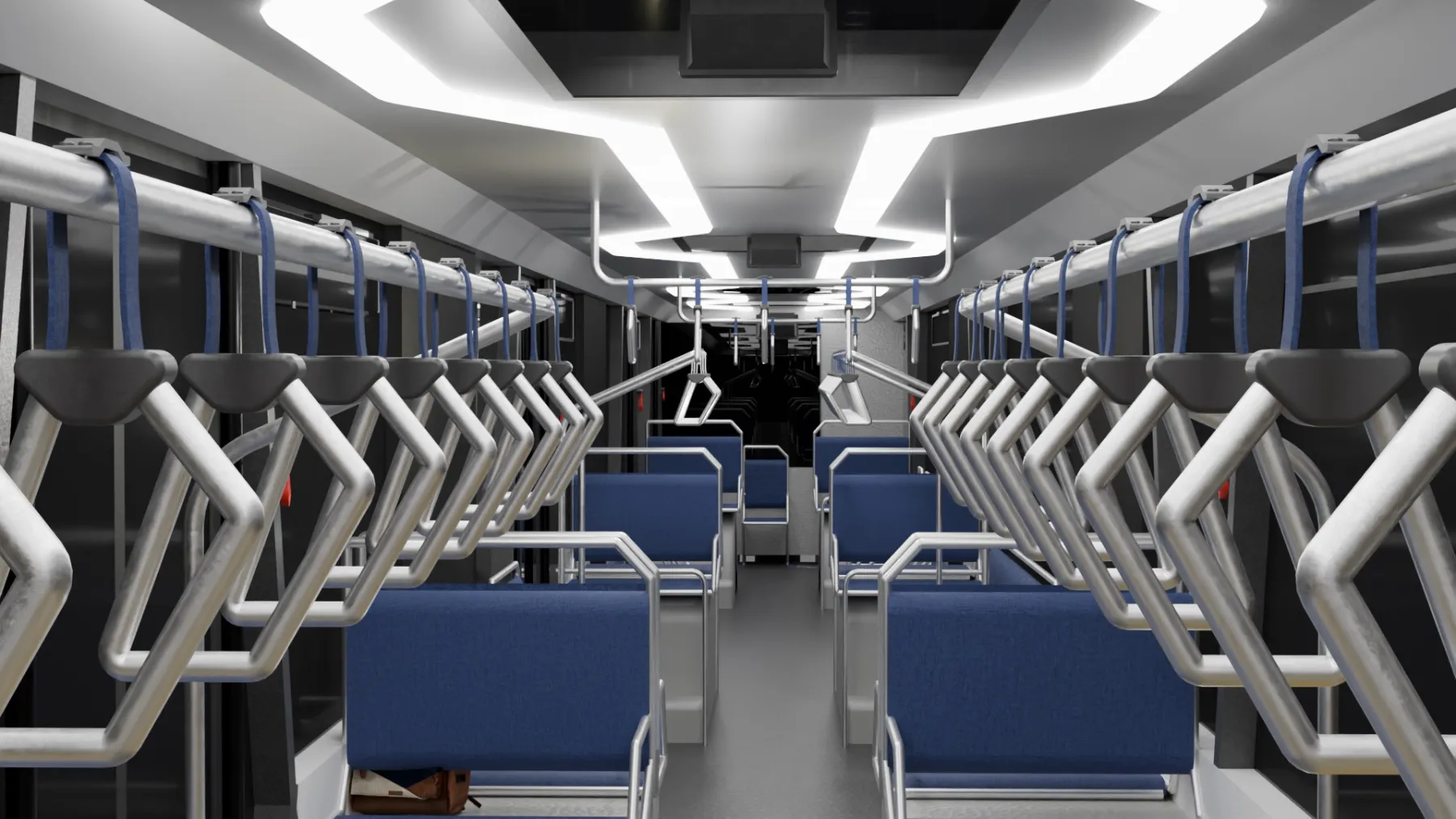
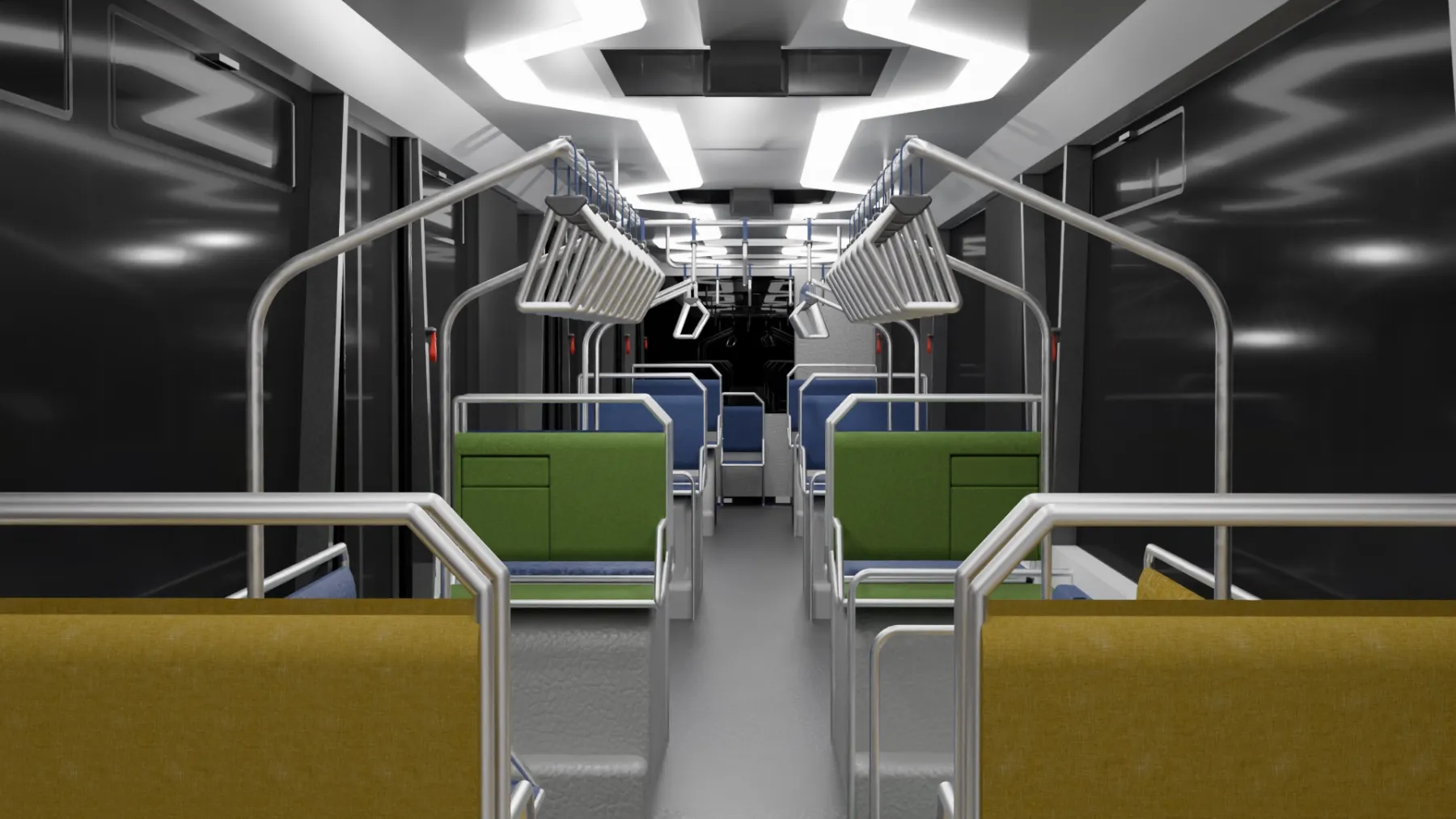
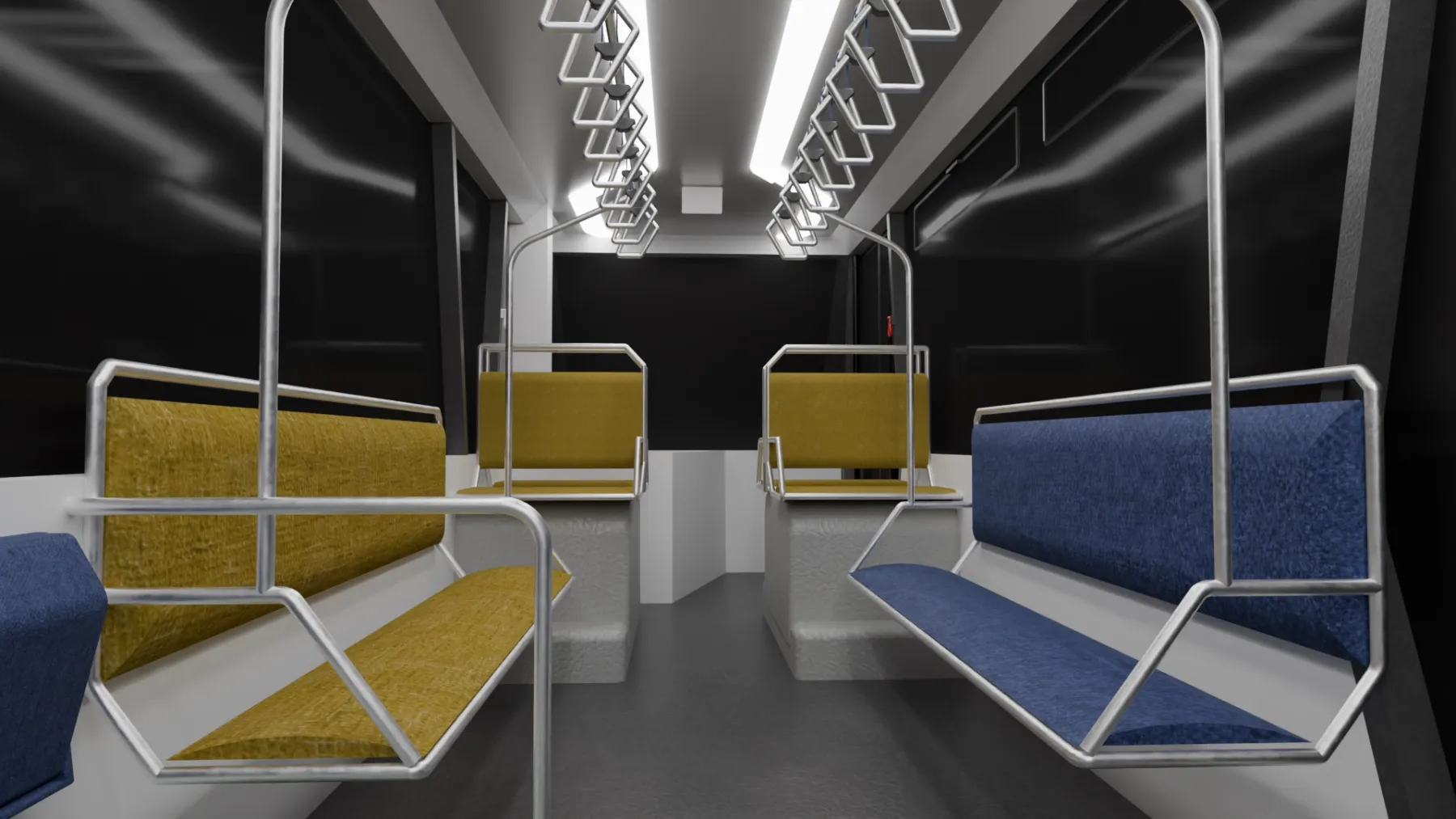
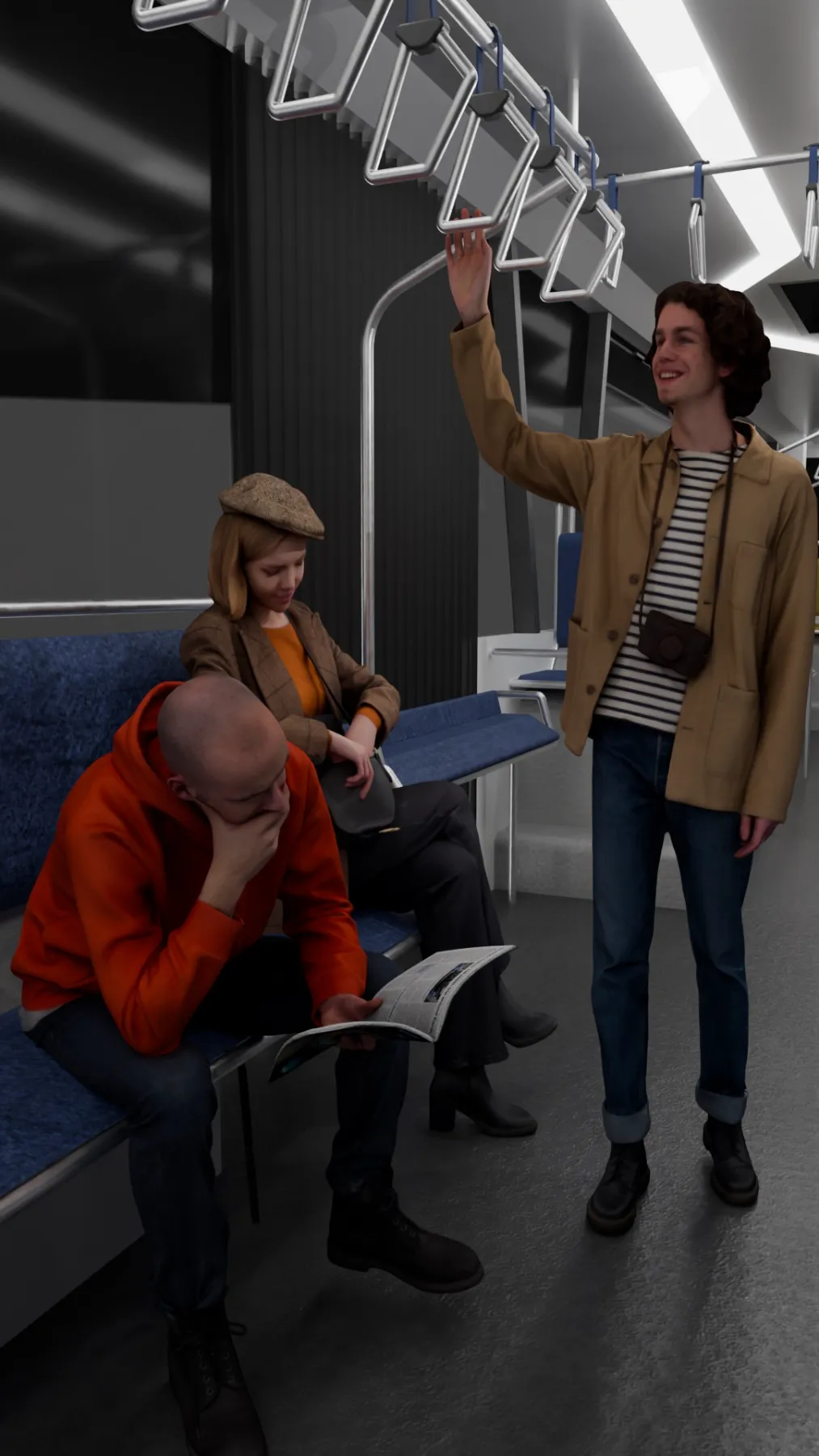
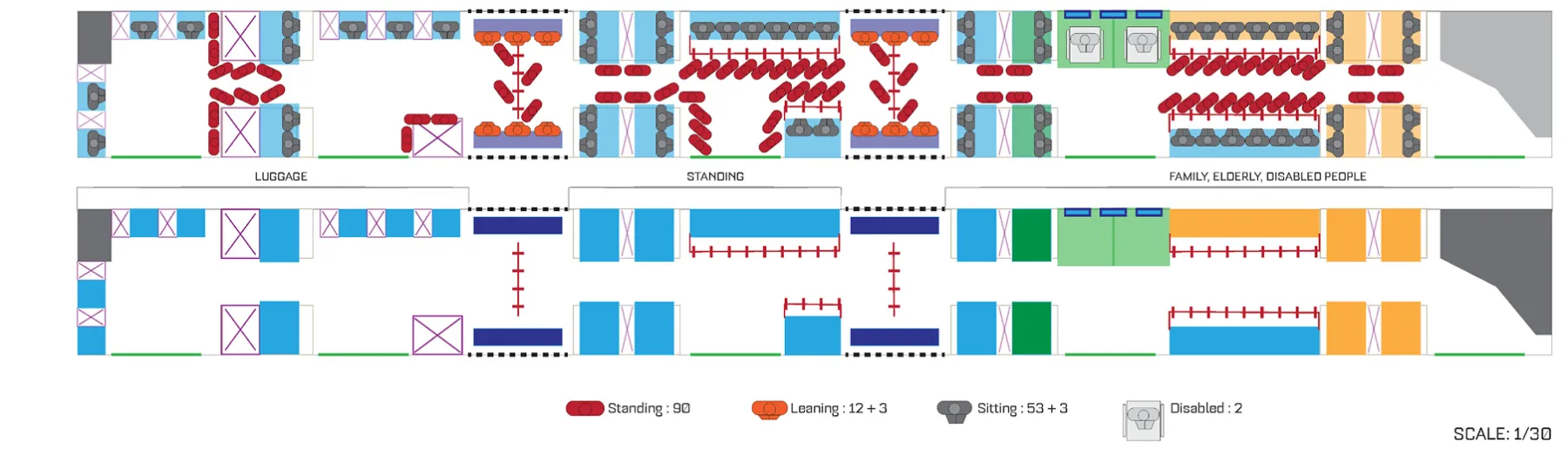
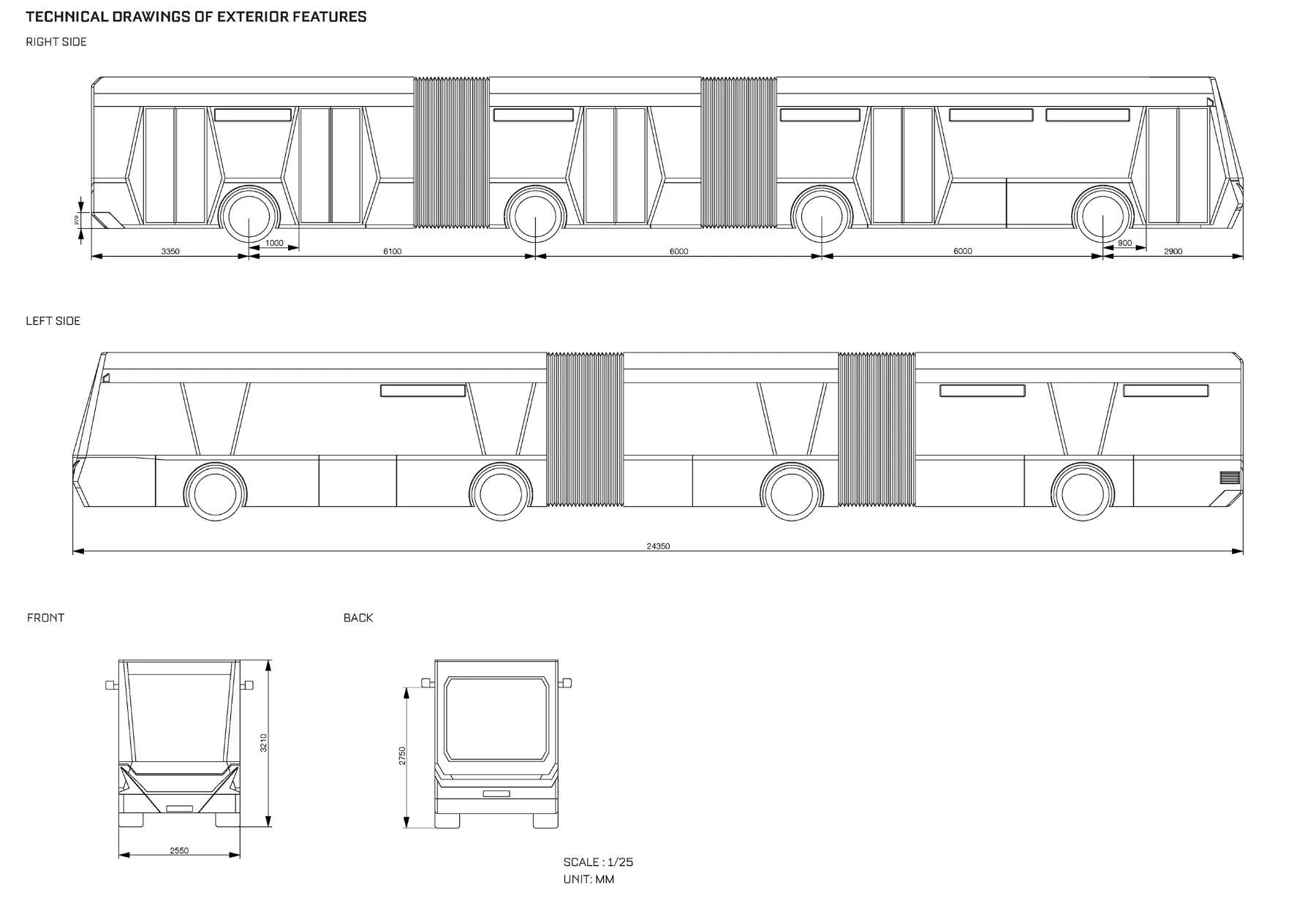
The vehicle is 25 m long and has three sections for different passenger groups. The interior prioritises comfort and usability, and extensive glass on the exterior gives passengers an open view of the city.
The exterior of a BRT bus sets its performance, safety and identity in the city. It defines how the vehicle communicates with people through its form, lighting and information displays.
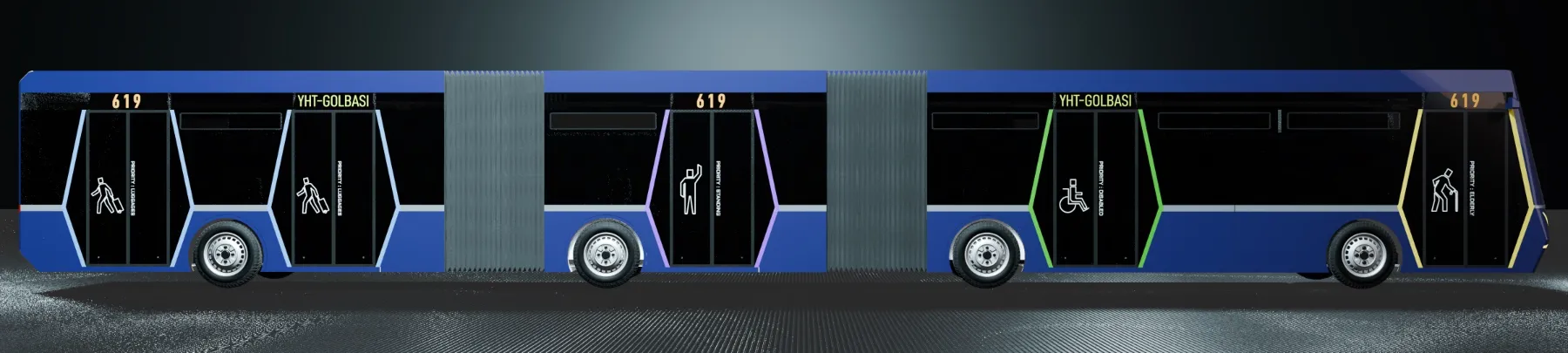
LED displays, door lights and colour-coded graphics make routes and boarding points readable at a glance, day and night, and tie the vehicle to the wider BRT identity.
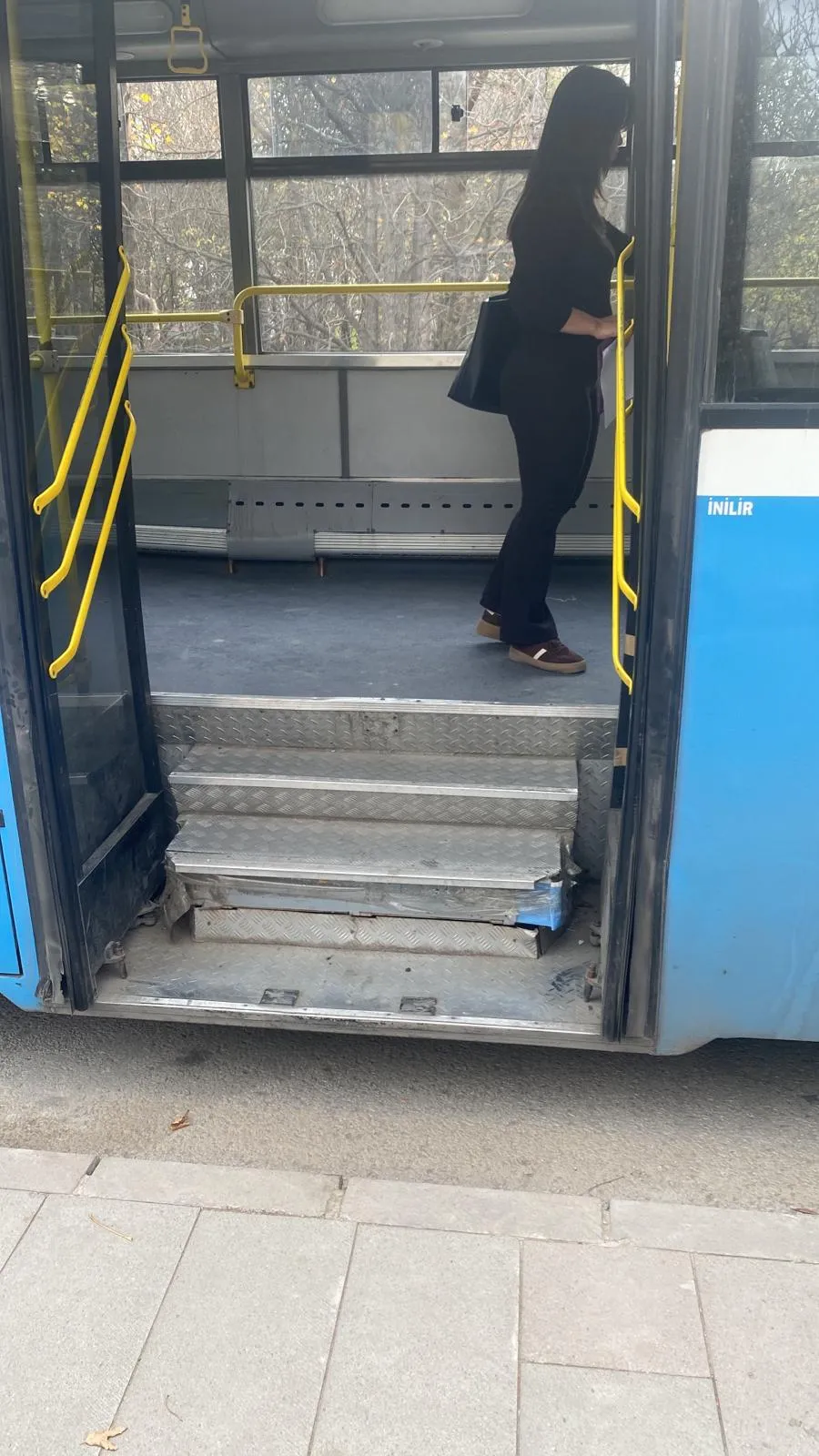
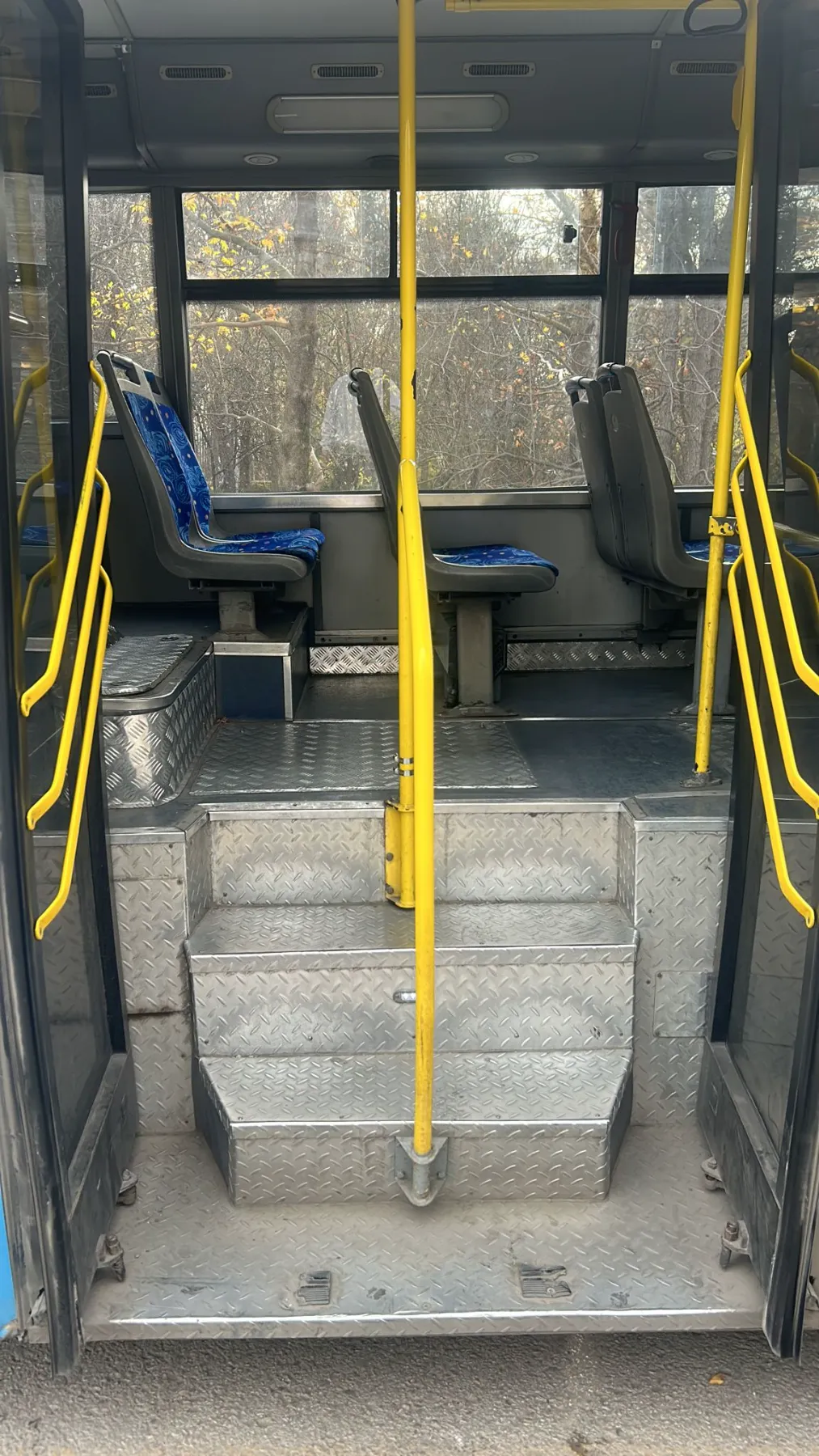
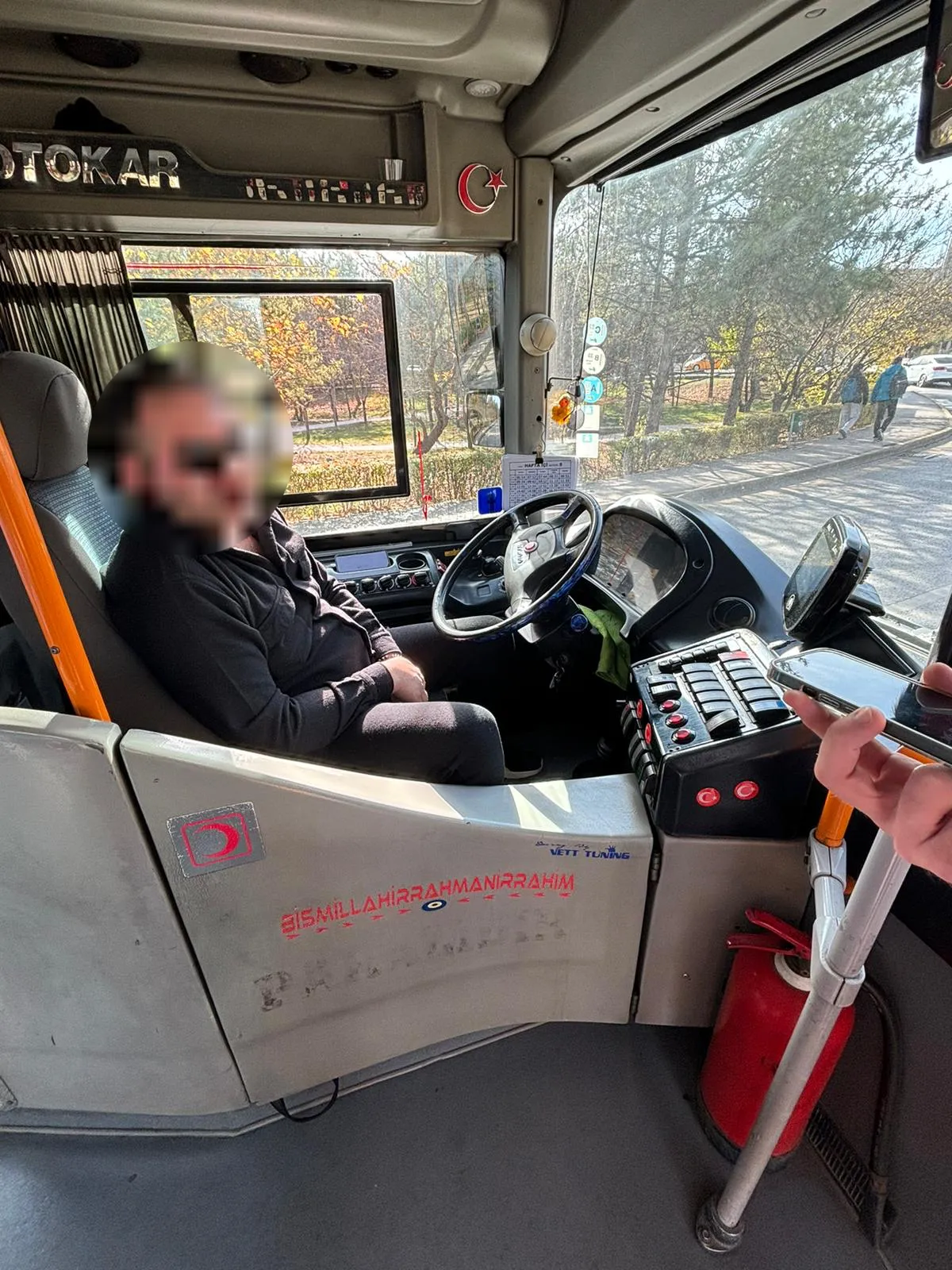
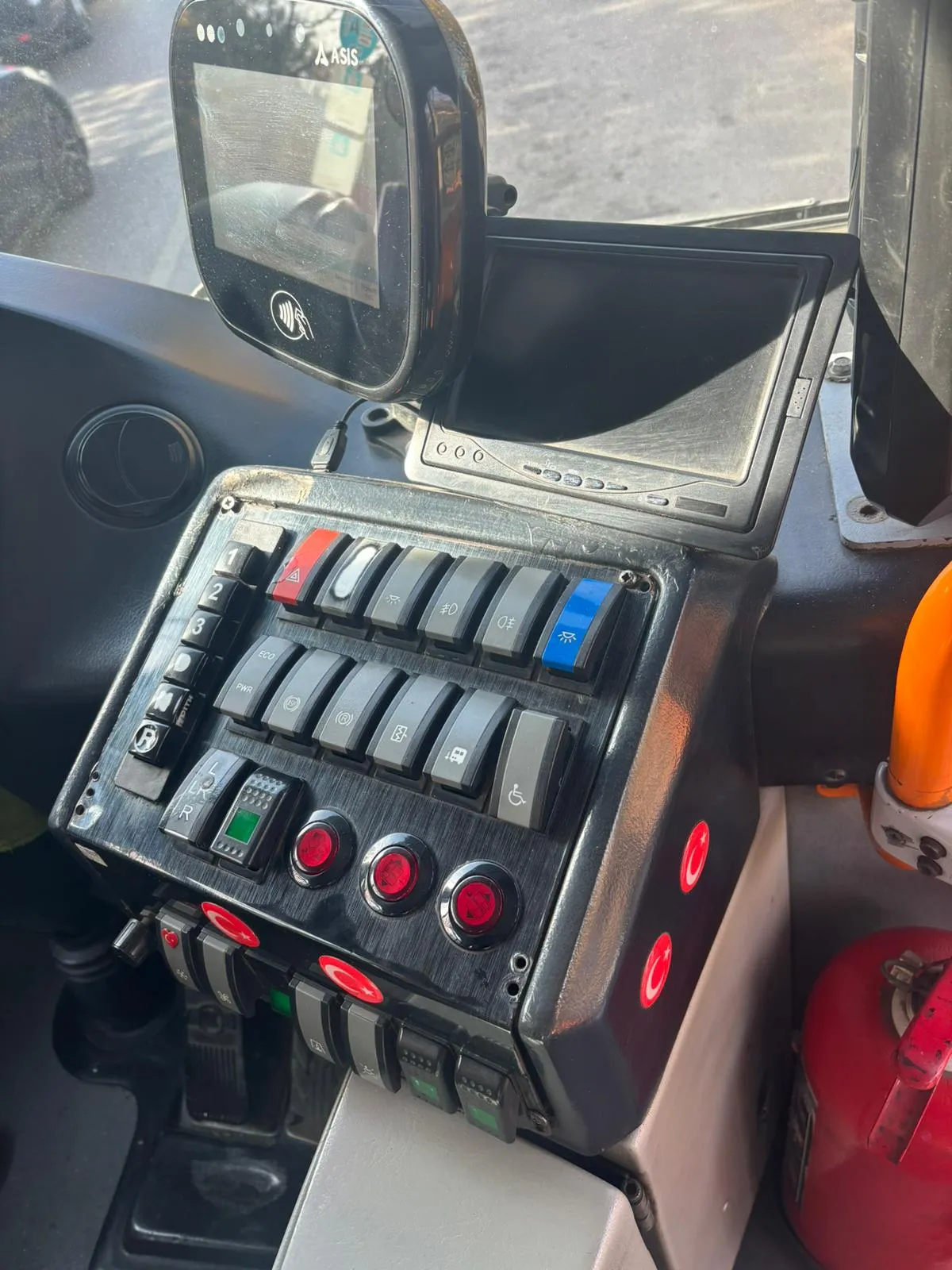
We rode the buses and interviewed passengers and drivers to understand why people choose the bus, and what makes the ride uncomfortable.
“Bus stops are closer to home.” “Best economic option, even if slower.” On some routes the bus is the only option, and it offers flexible routing across the city.
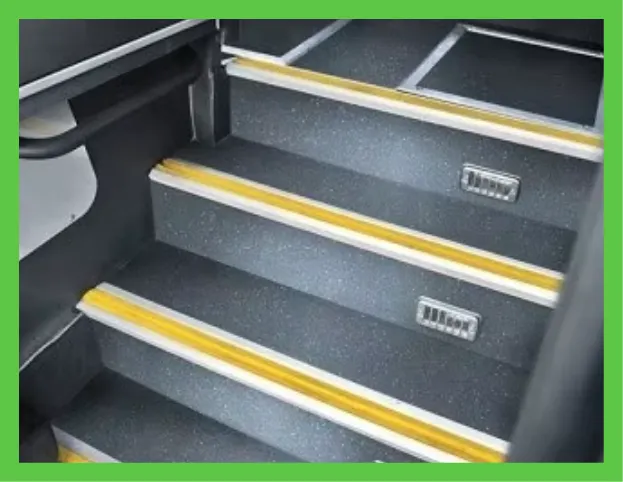
Finding a seat is hard, standing feels unstable, and steps need clear material and colour indication.


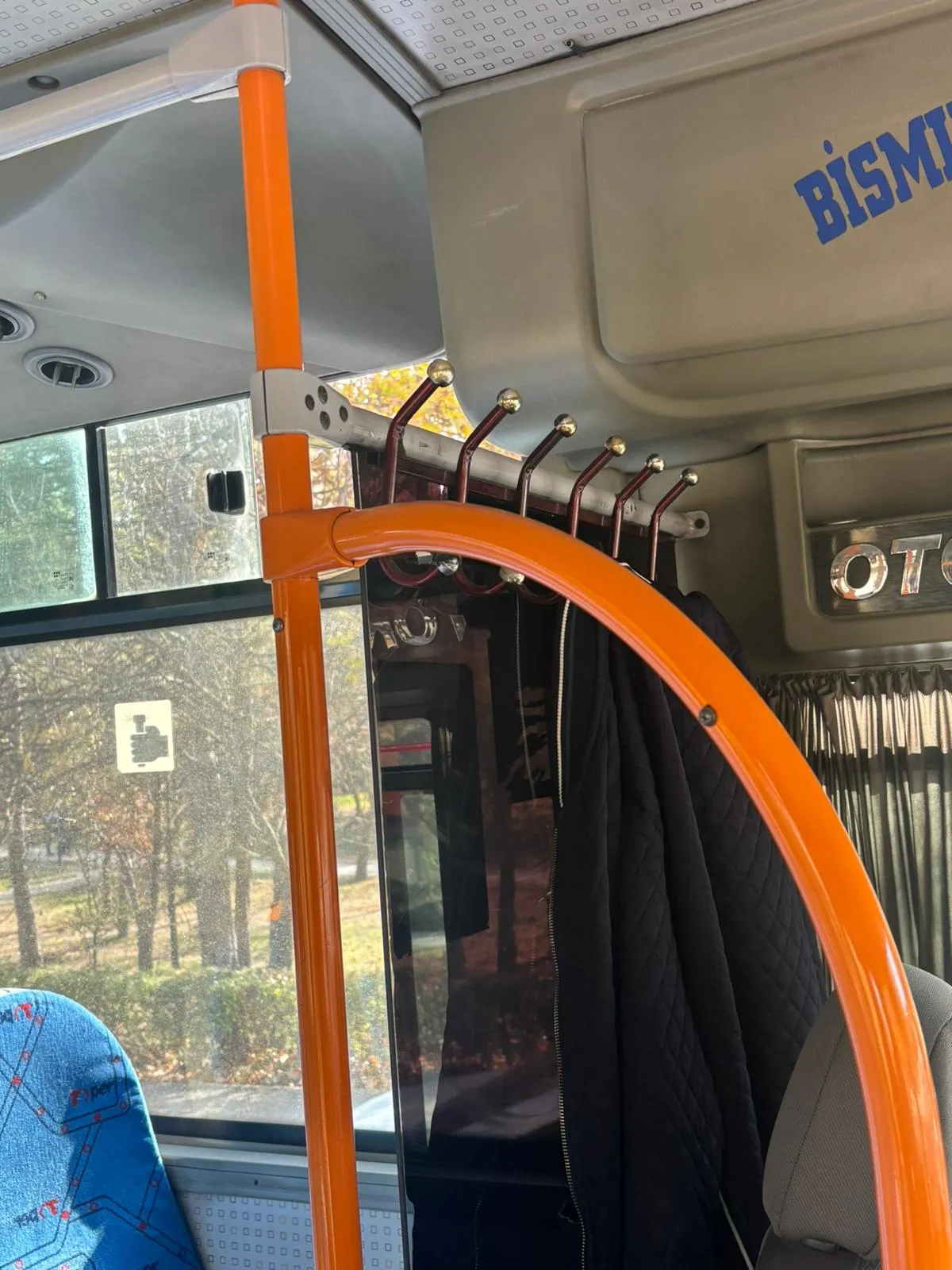
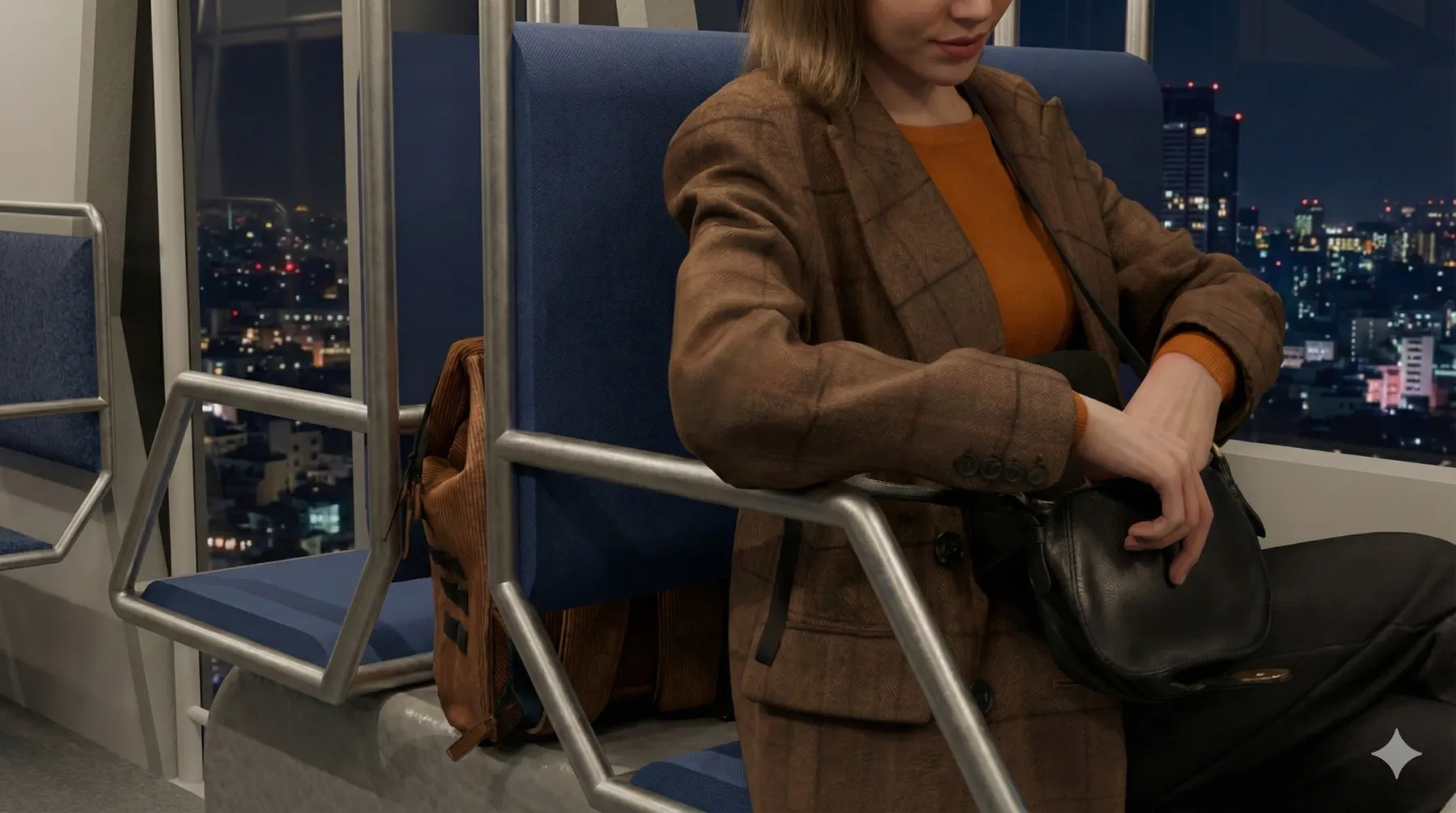
Drivers asked for more seating for passengers, personal space in the cabin such as coat hooks and cup holders, an isolated cabin to avoid direct contact, and doors that open outwards so passengers don’t get stuck when it’s crowded.


Research turned into nine opportunity statements across the exterior, the interior and the wider system.
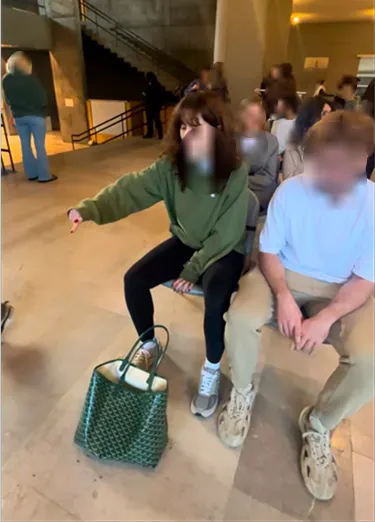
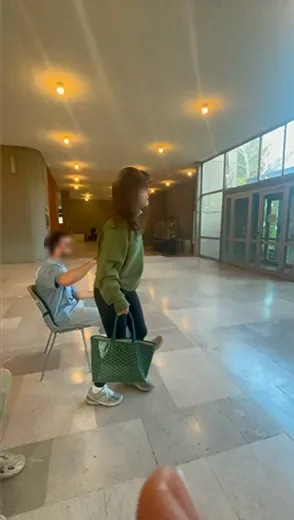
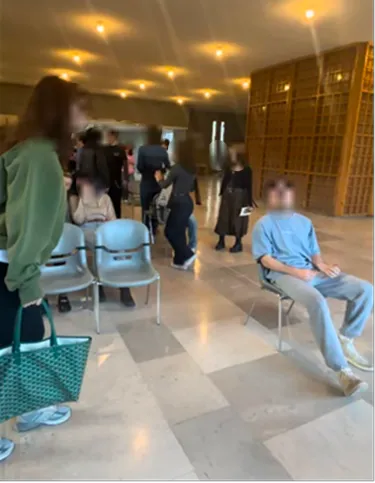
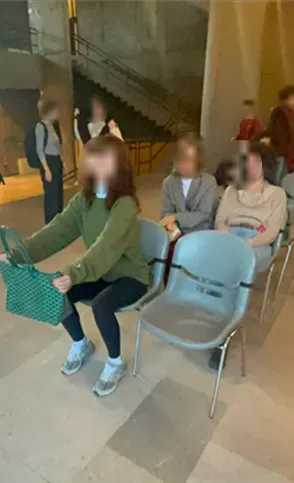
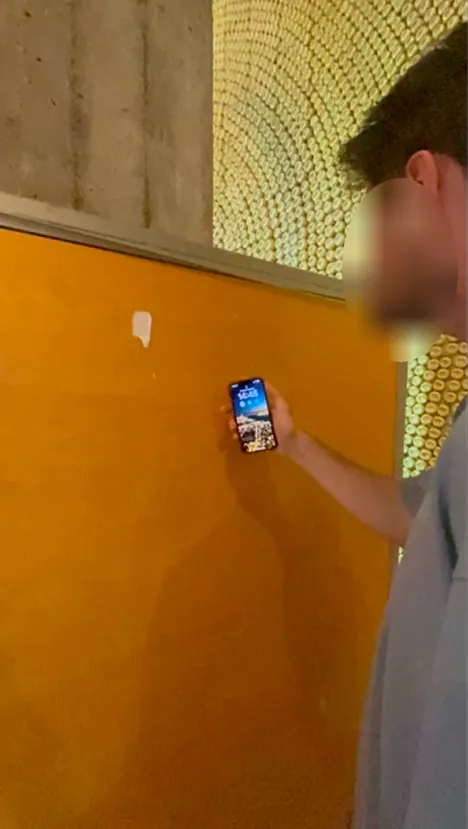
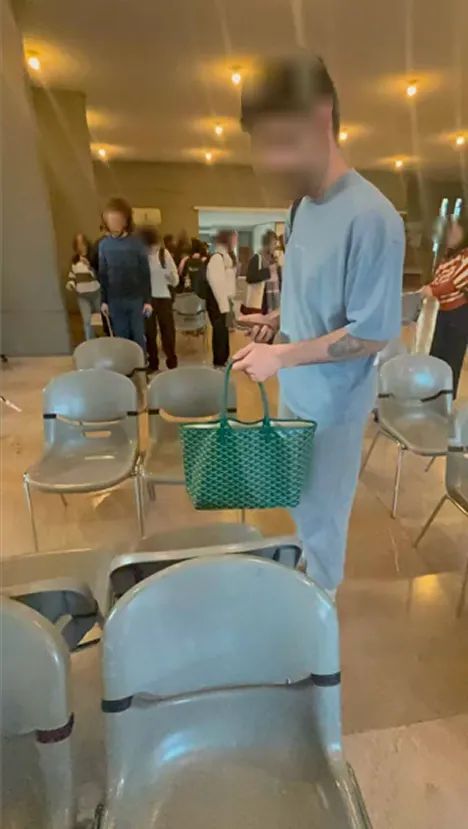
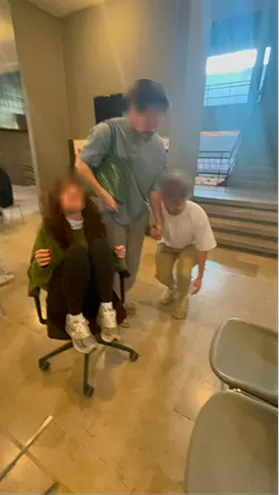
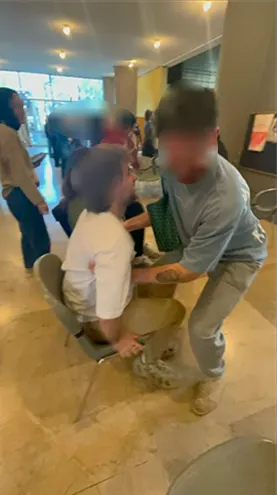
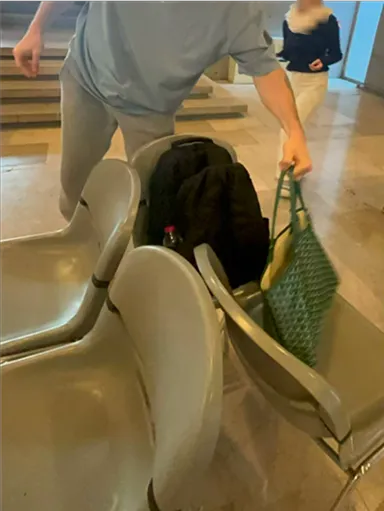
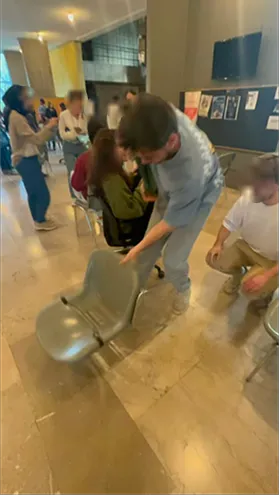
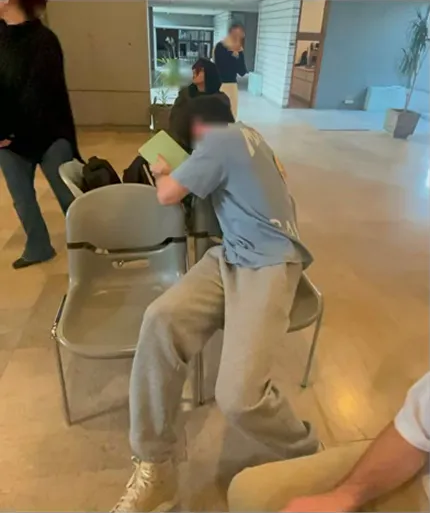
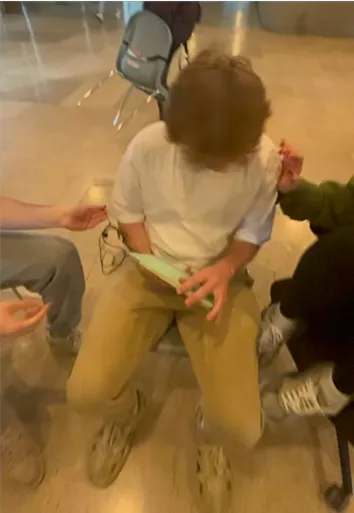
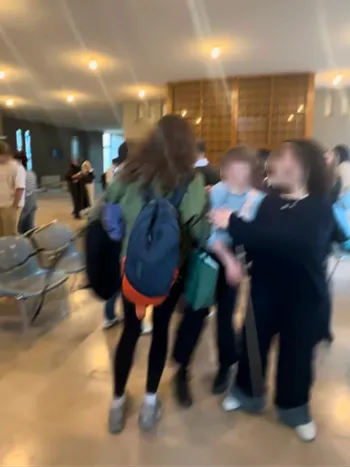
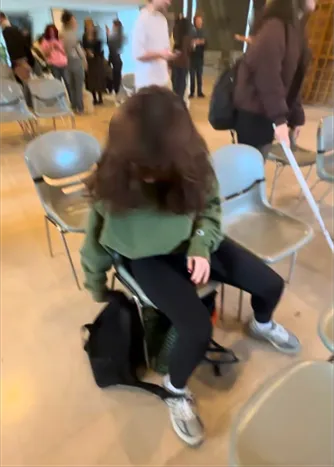
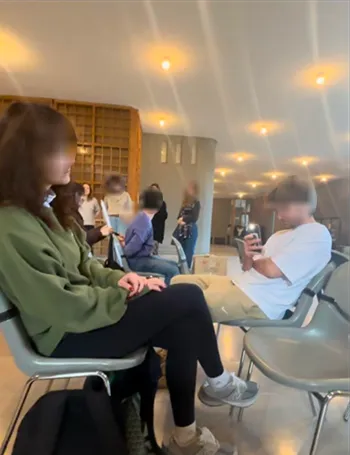
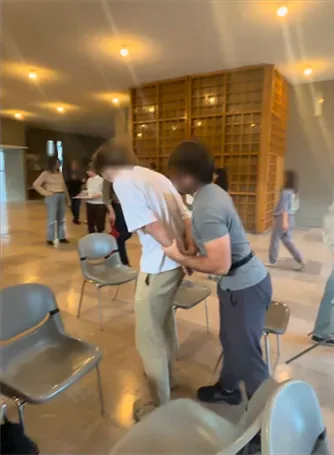
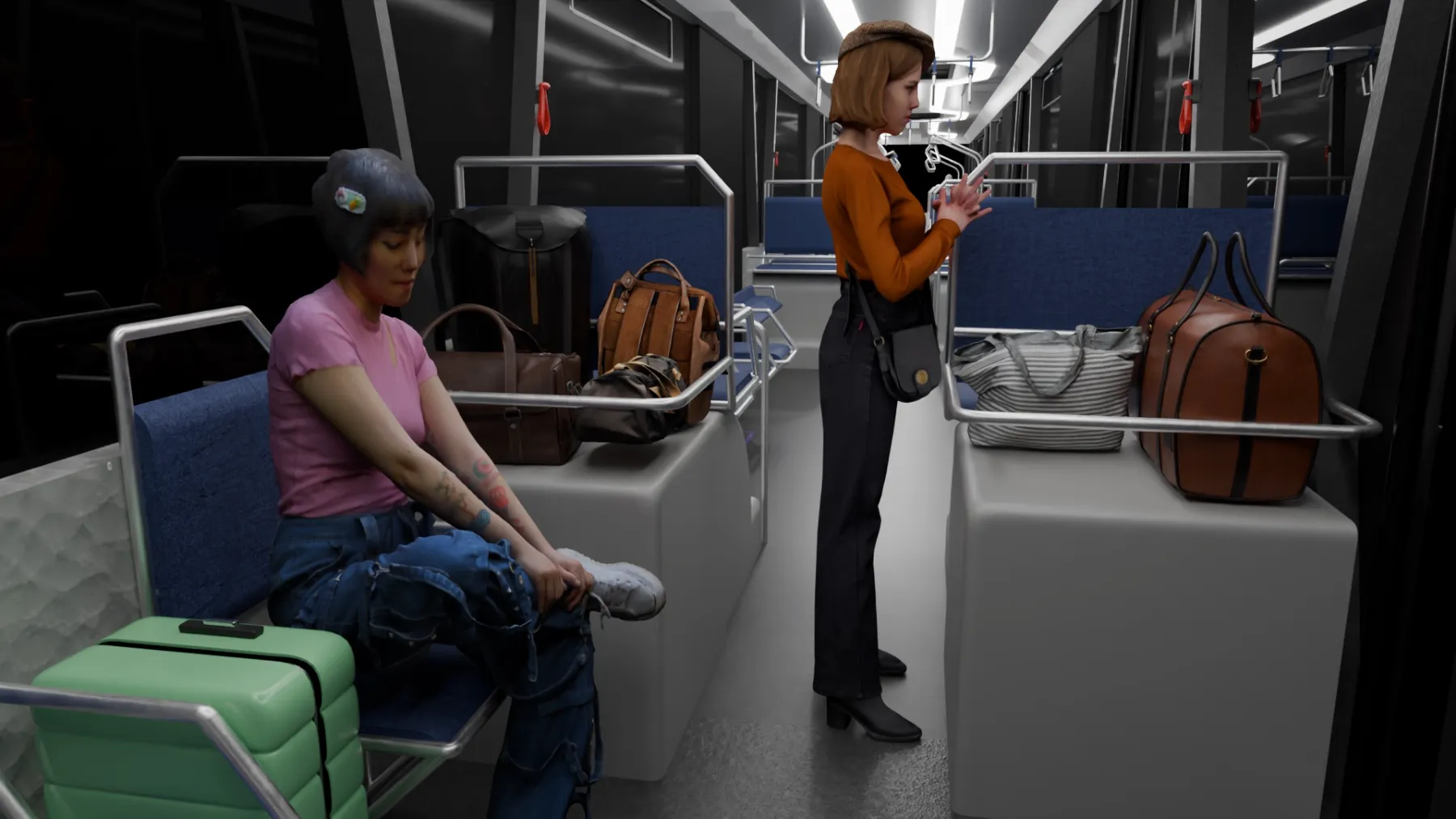
We acted out each scenario with chairs and bags to test our ideas. It changed what we designed.


Our line runs from Gölbaşı to the YHT high-speed train station. Stops were chosen at key points: hospitals, universities and transfers to other transport.
The bus travels in a dedicated middle lane, most stops sit next to pedestrian overpasses, and card tapping happens at the stop to keep the vehicle uncrowded.
Colour-coded doors mark each compartment for different passenger groups.

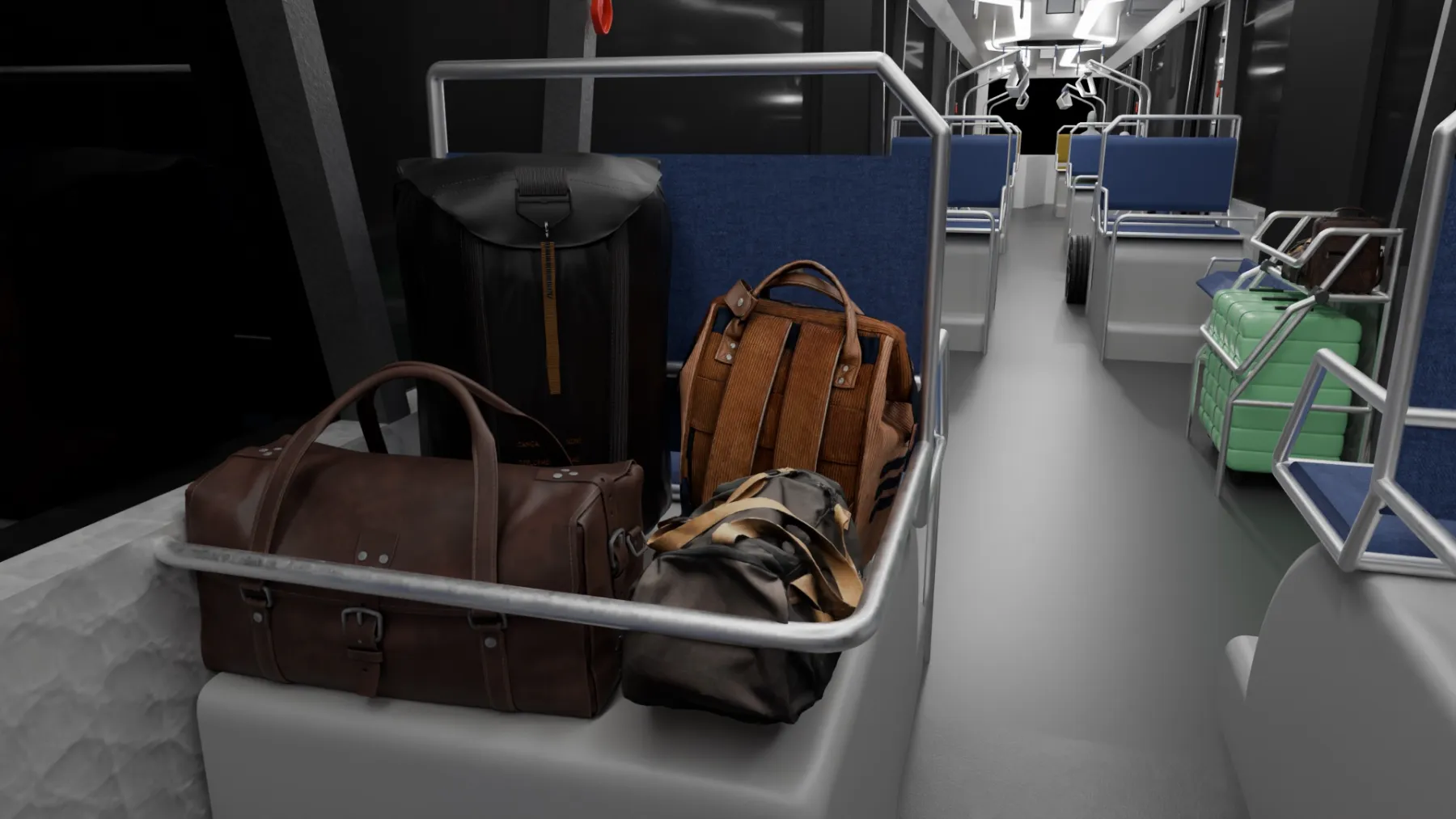
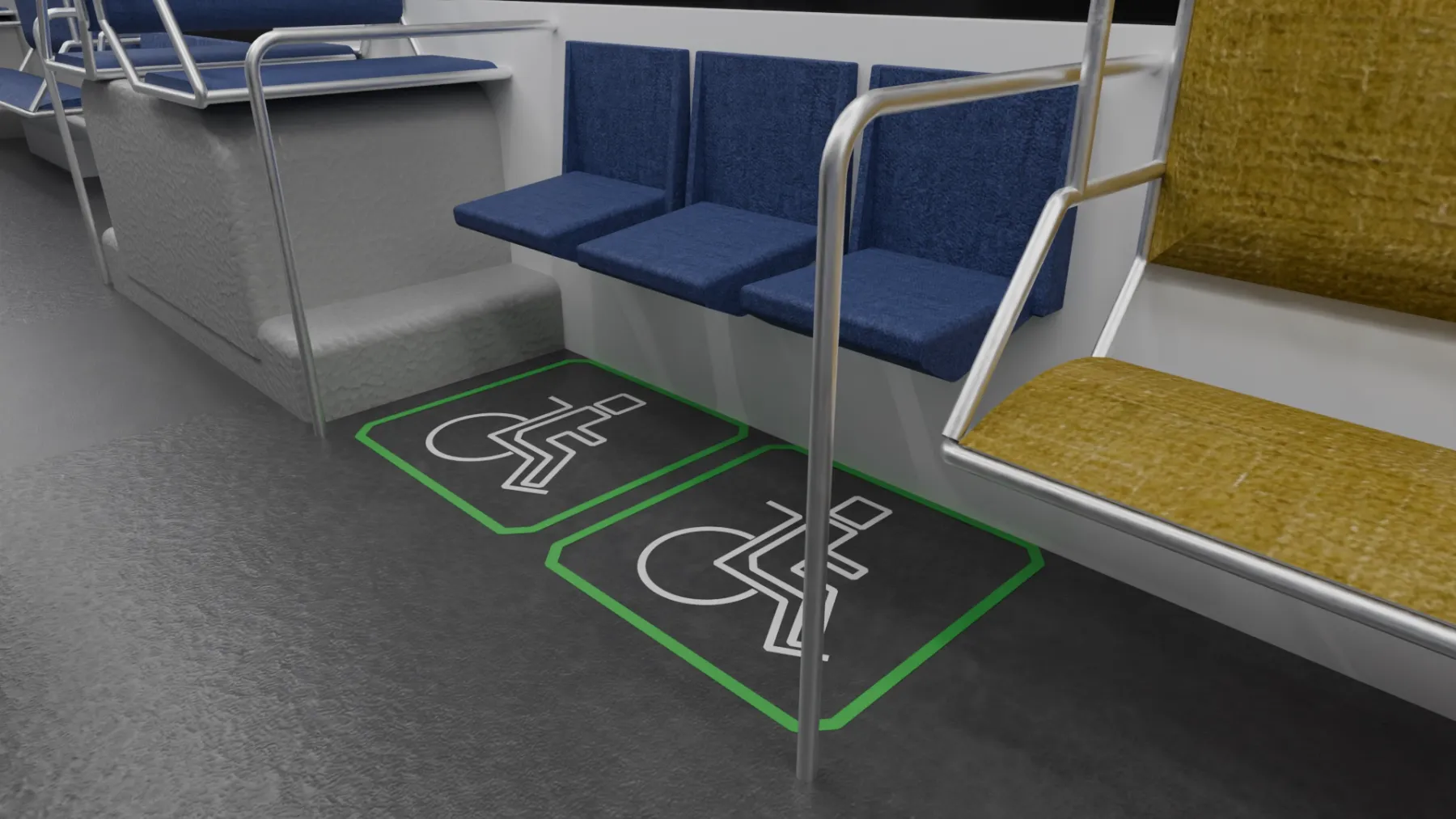
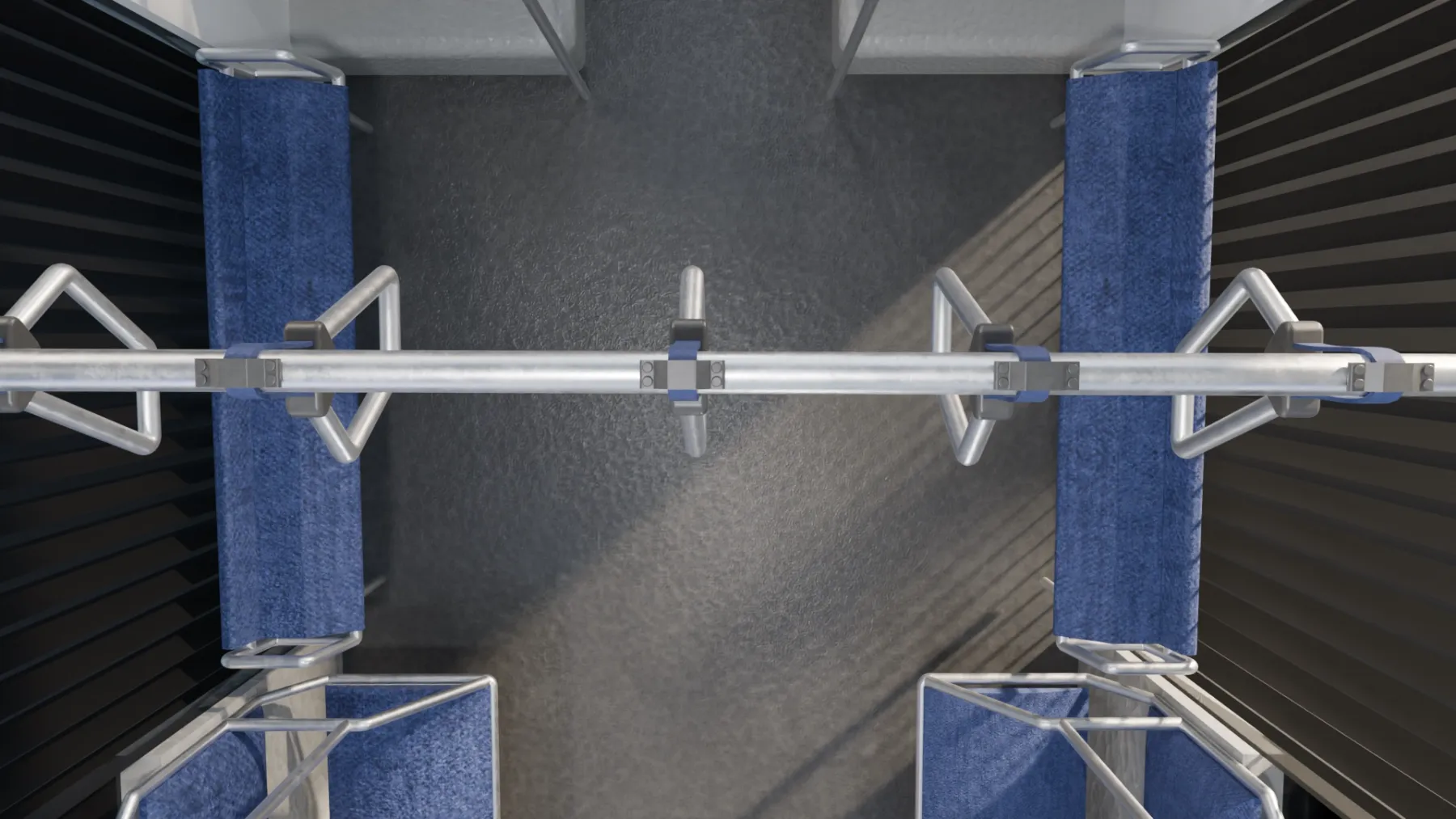
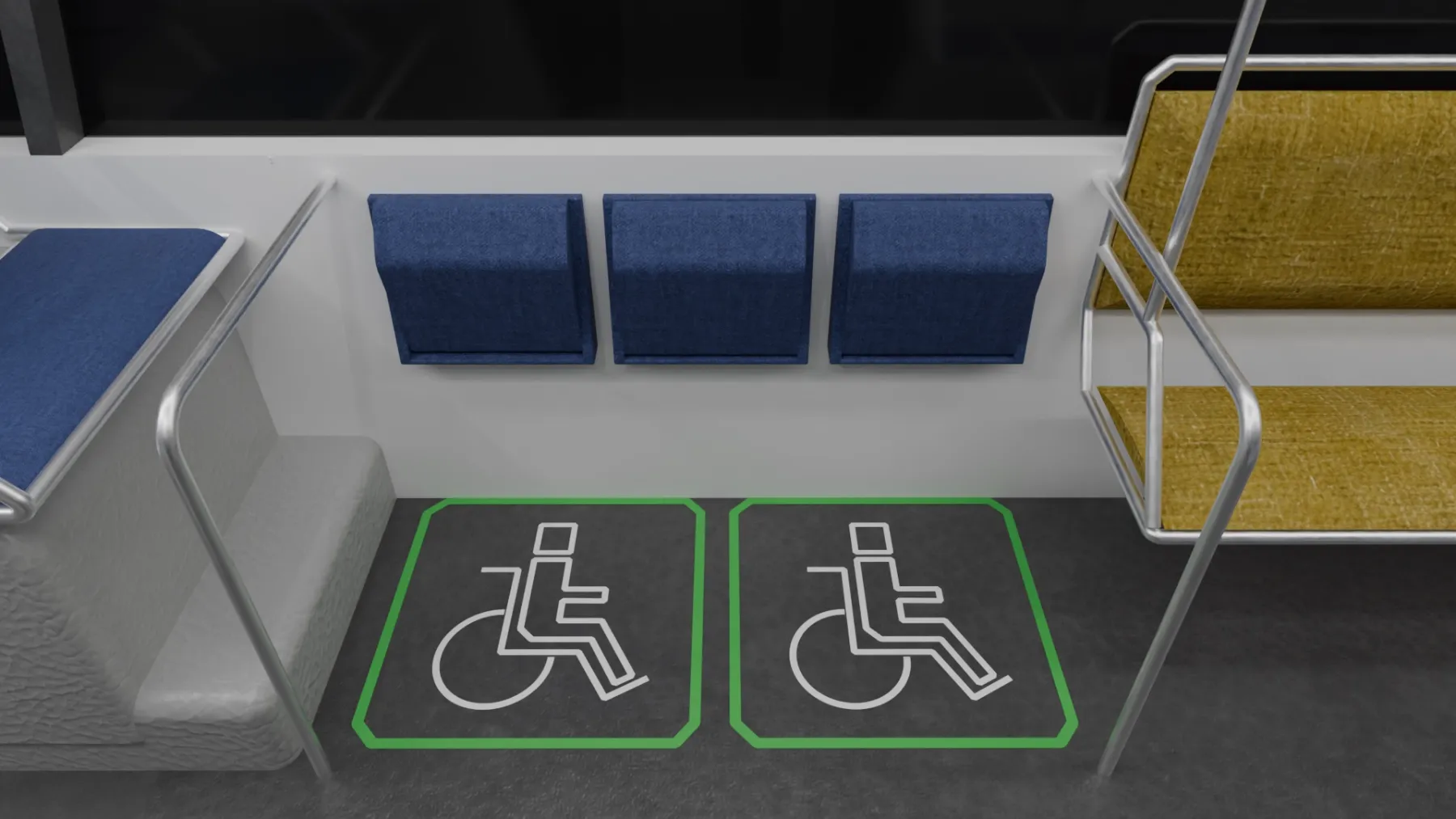
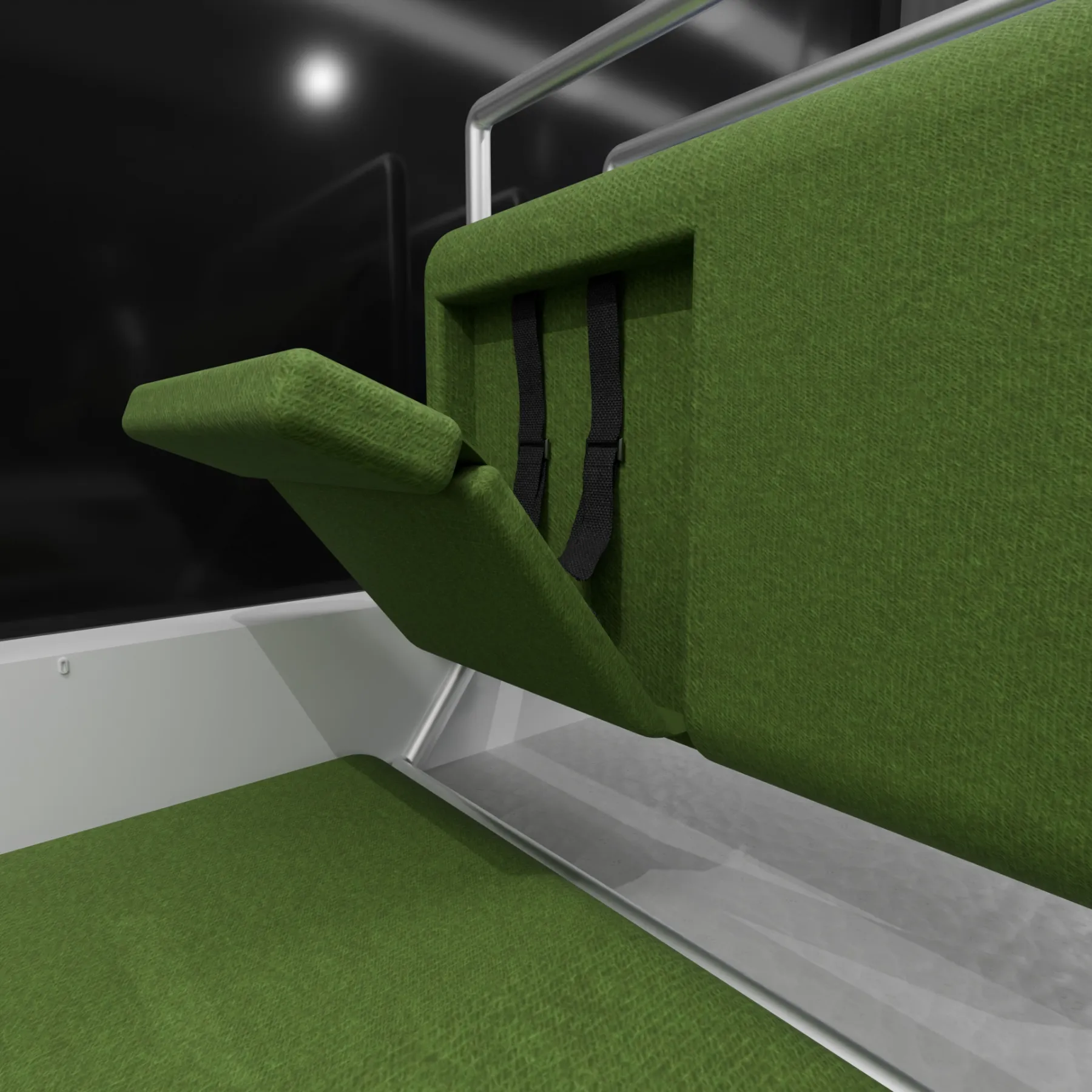
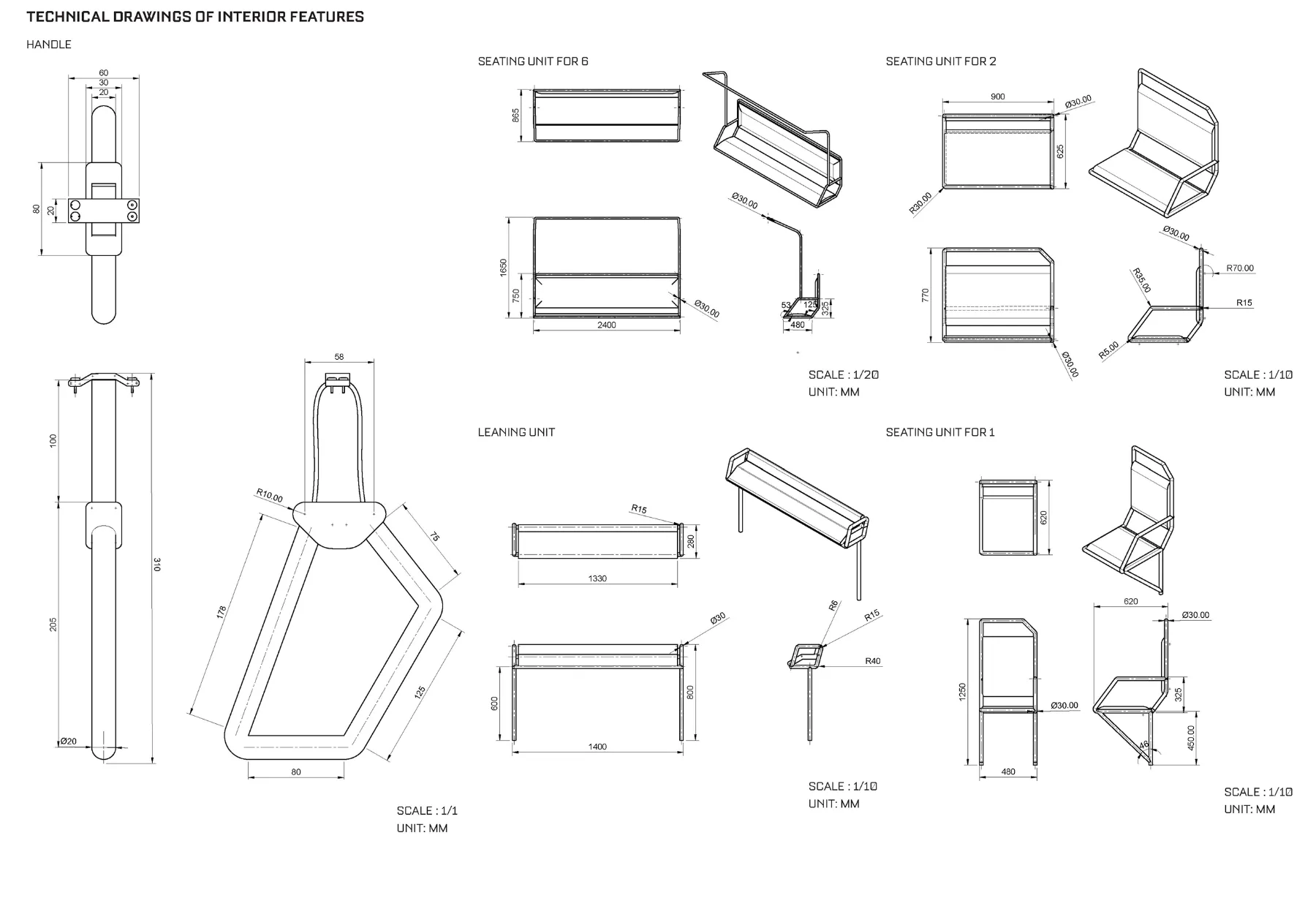
Specific zones for luggage and wheeled items, colour-coded priority seats, leaning units at the bellows, a foldable child seat and a new handle for standing passengers.


Wheelchair area
New handle
Foldable child seatThree sections, each tuned to a group: luggage at the front, standing in the middle, and family, elderly and disabled seating at the rear.


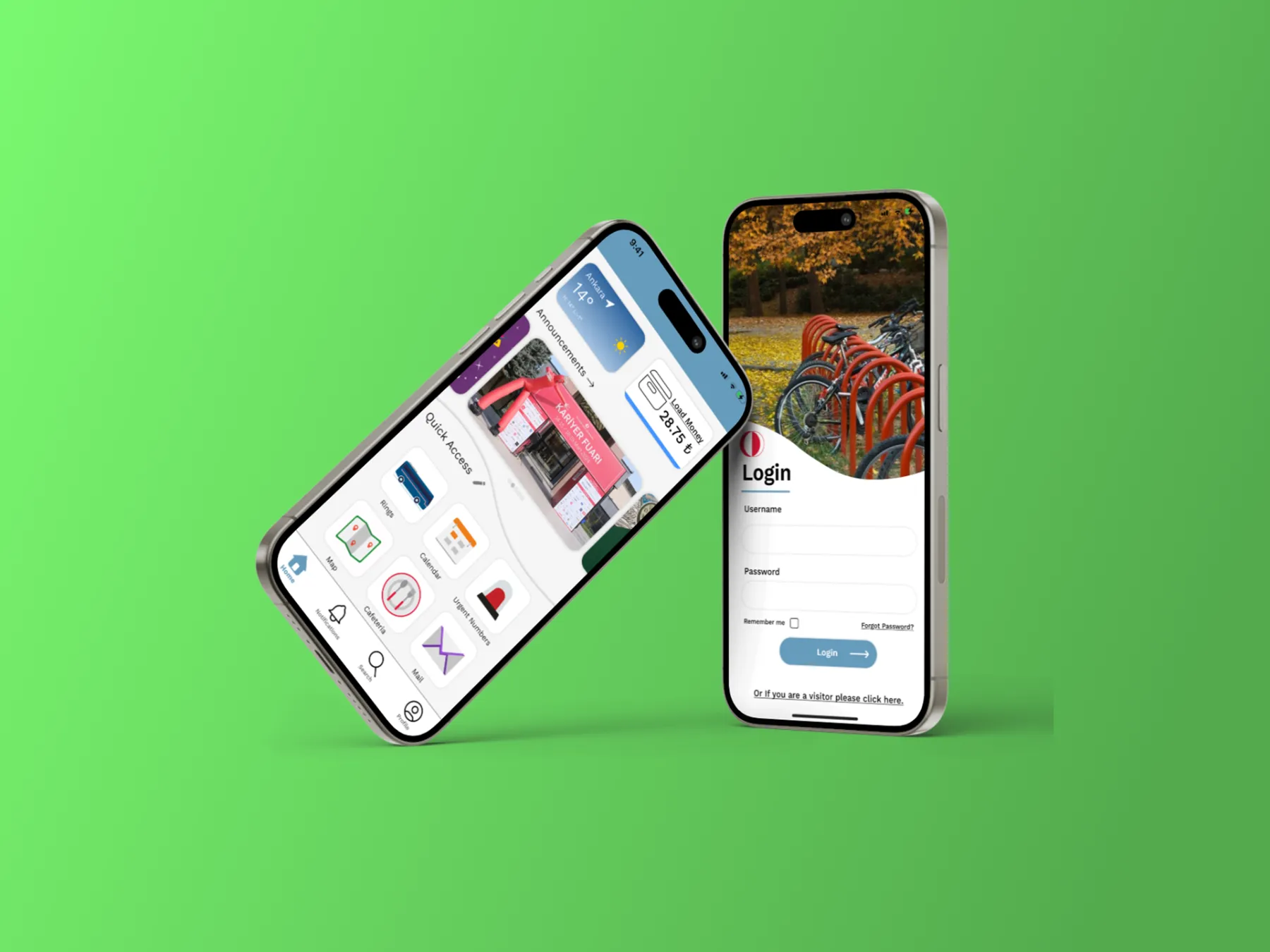
Redesign of the Super Application for Middle East Technical University.
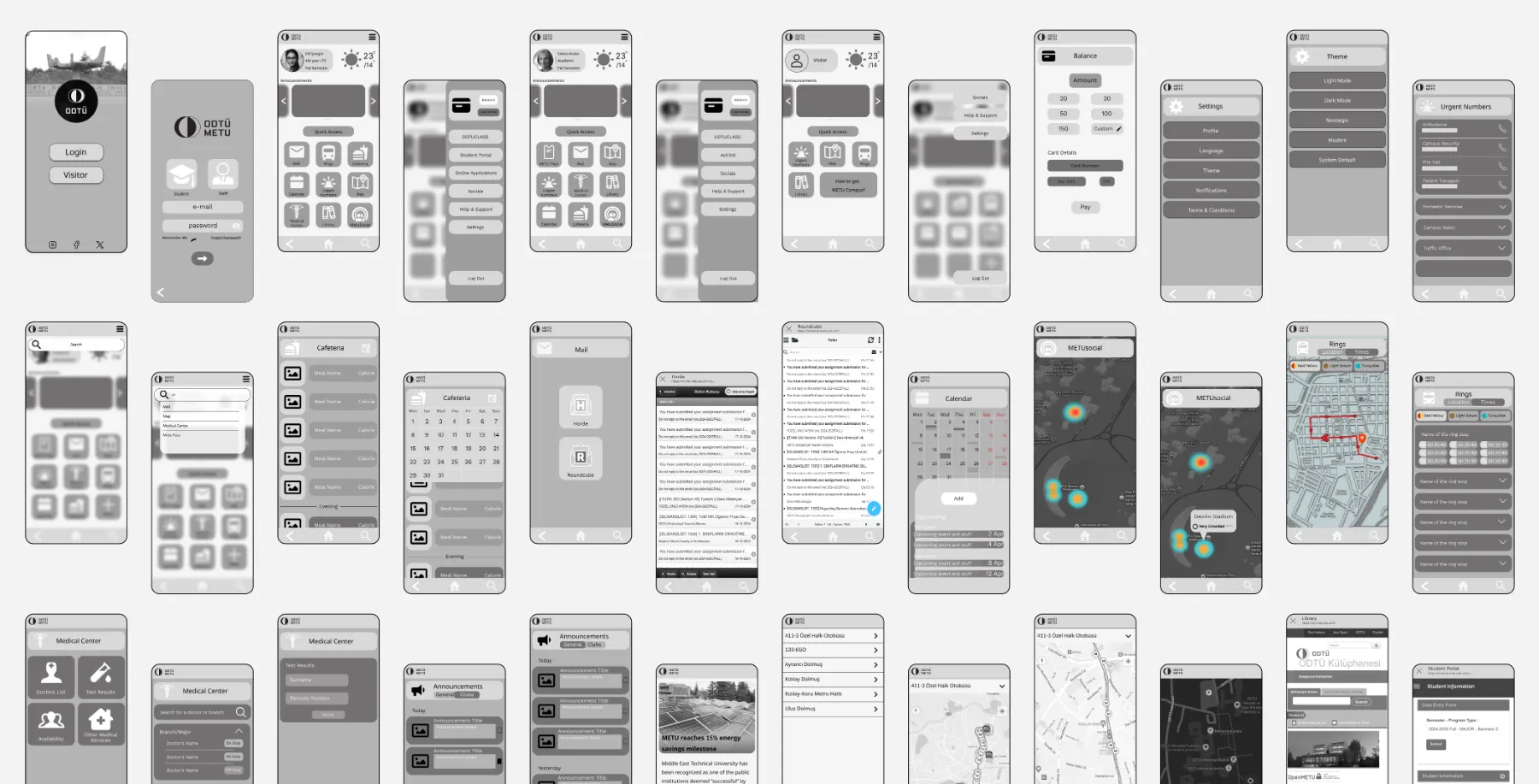
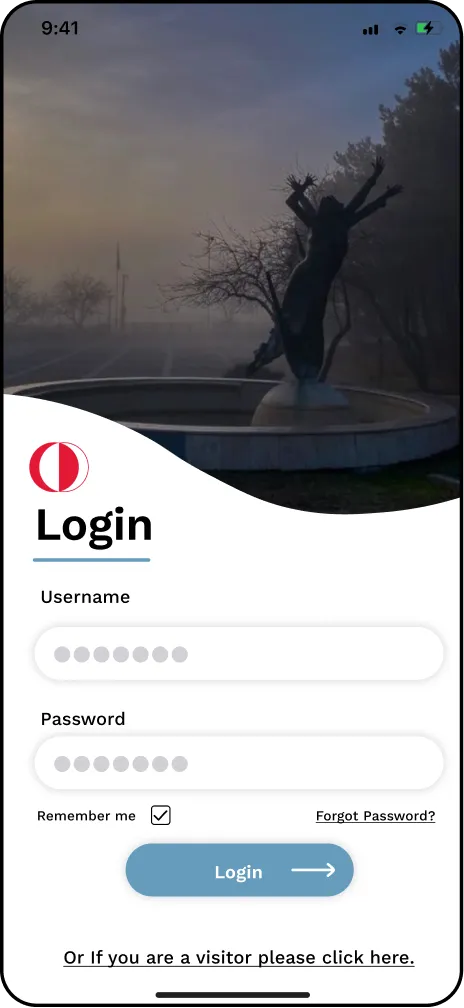
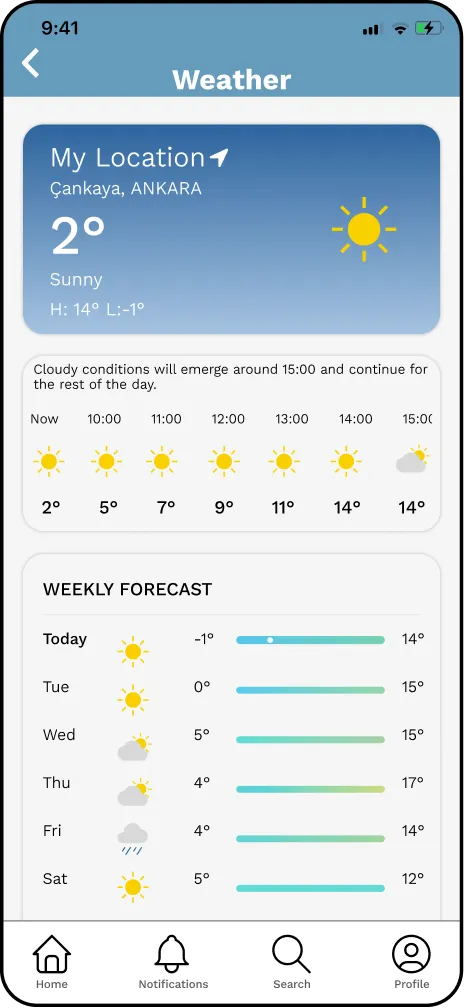
We were asked to redesign the super app of Middle East Technical University. First we analyzed the existing app, then developed on that.
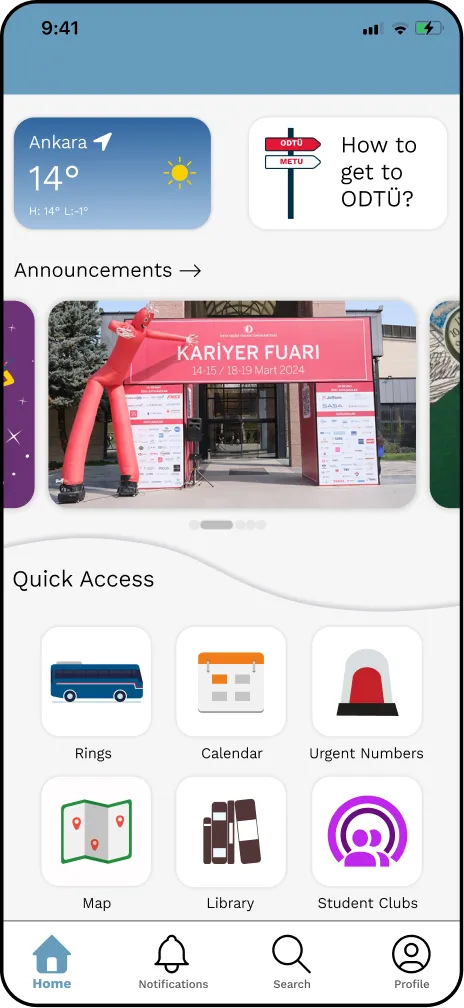
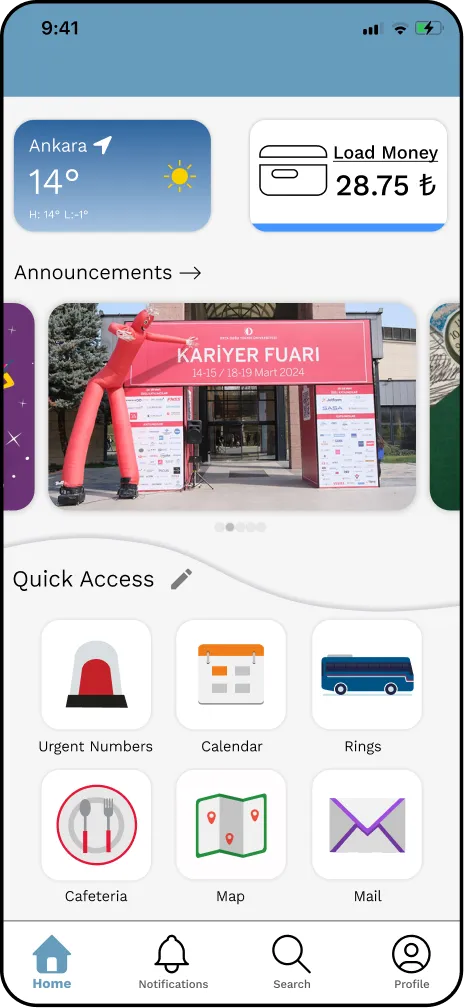
Personalized home screen menus depending on the type of user.
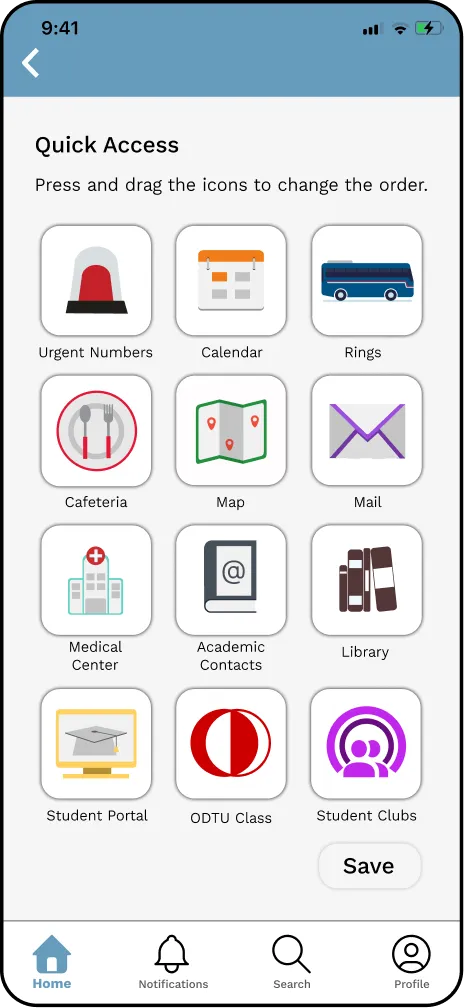
Customizable home screens for the special needs of the users.
By decreasing the unnecessary services, creating an easier to use interface.
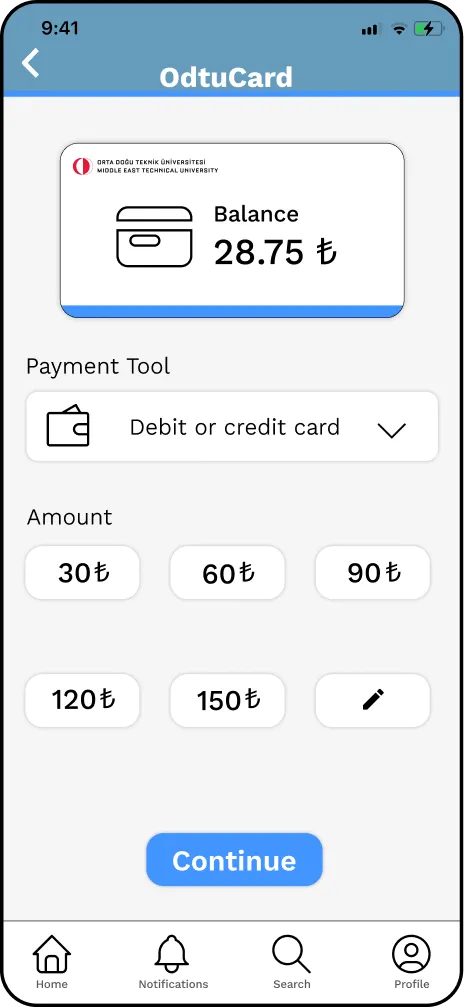
Integrated services to the app, no in-app browser.
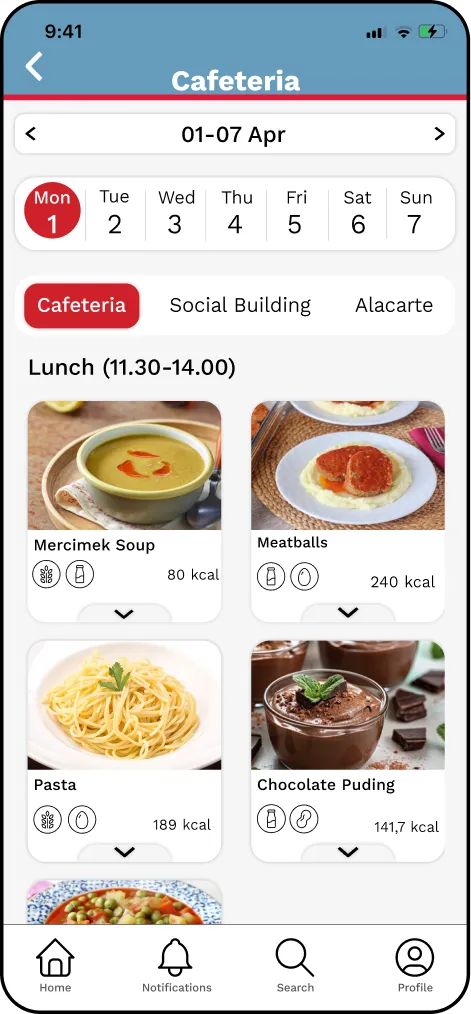
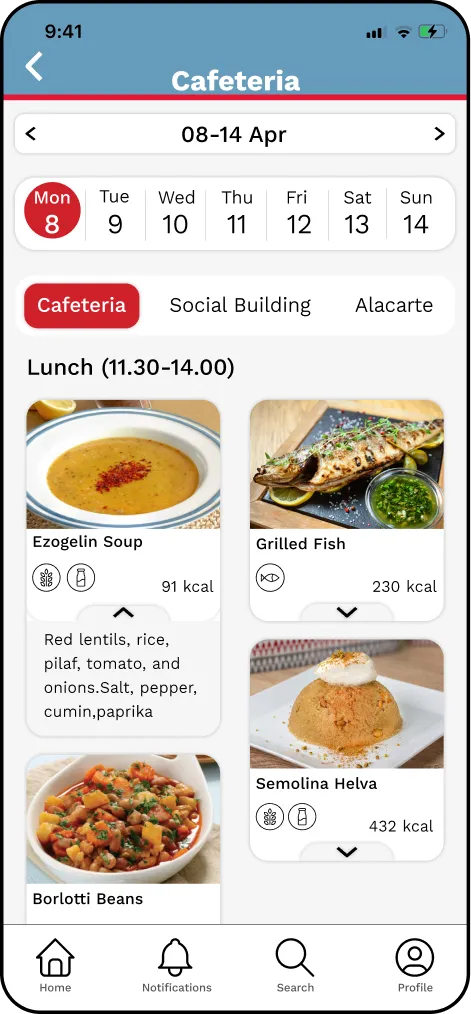
Detailed cafeteria menu page in which users can also see the next days’ menus.
Kcal, ingredients and allergy information for the menu.
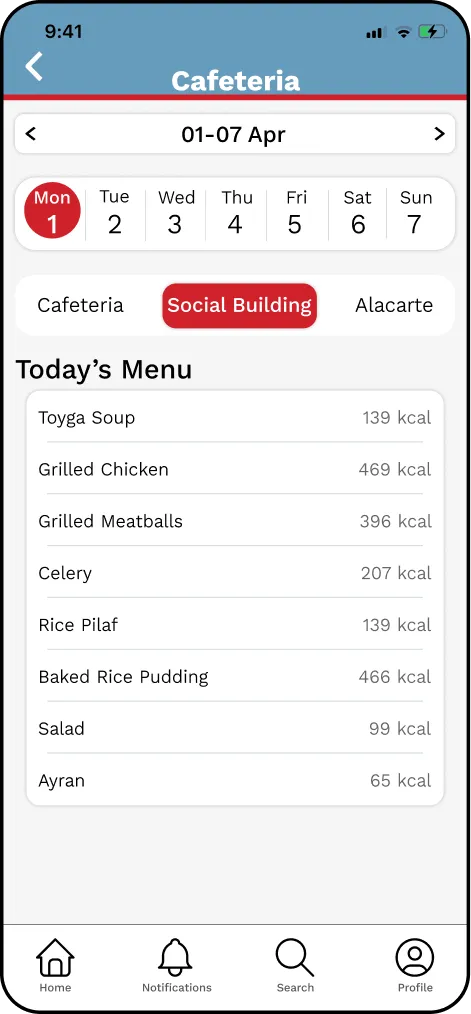
Detailed social building menu page in which users can also see the next days’ menus.
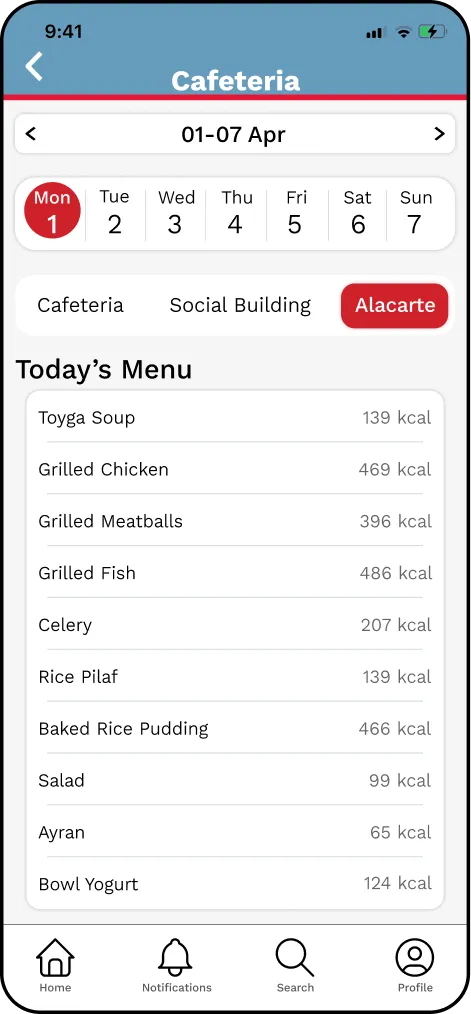
Detailed à la carte menu page in which users can also see the next days’ menus.
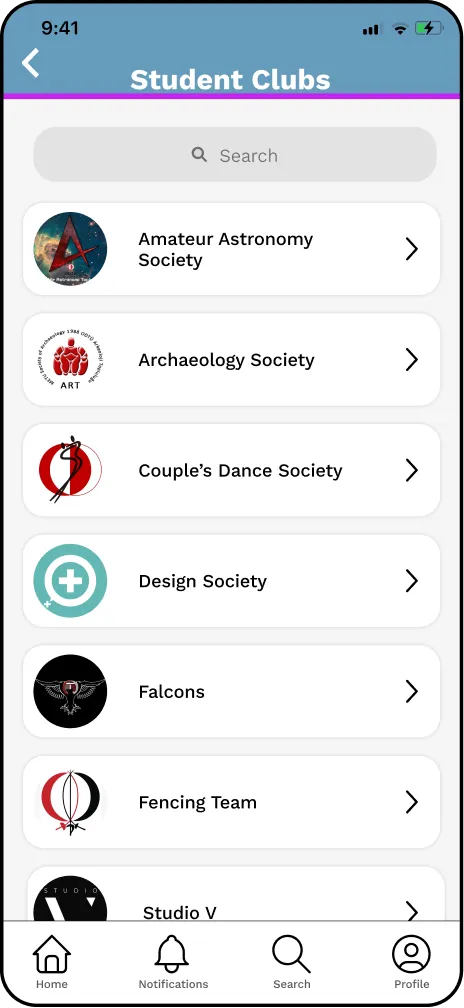
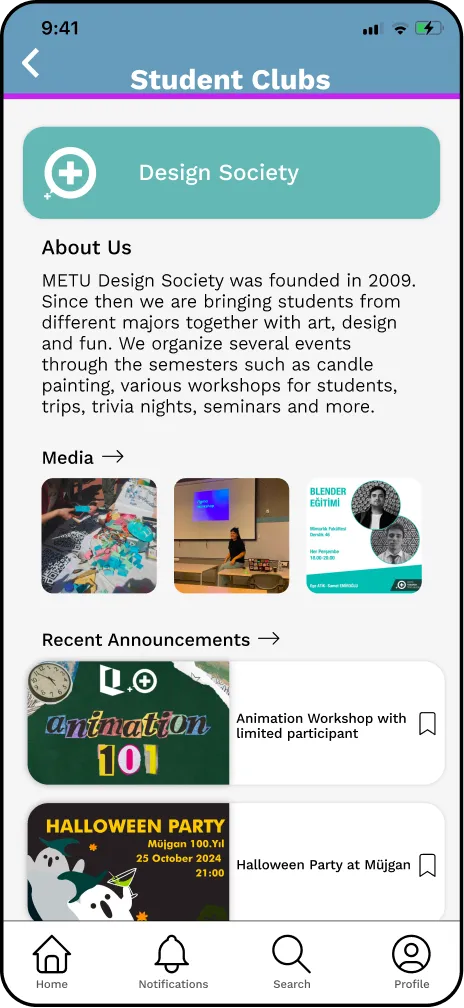
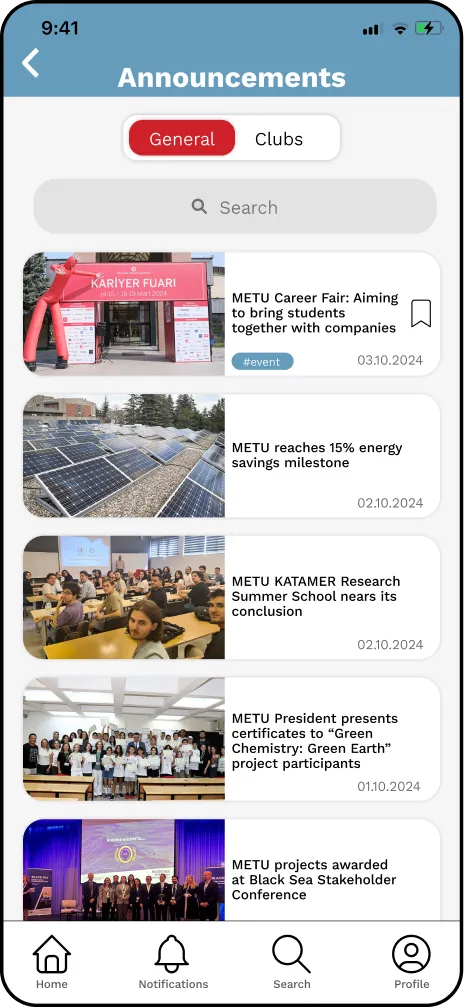
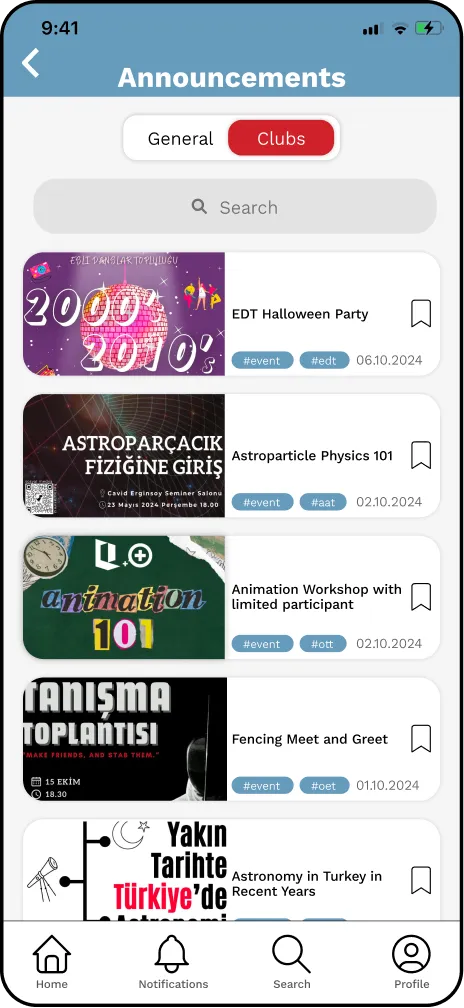
Get informed on student clubs.
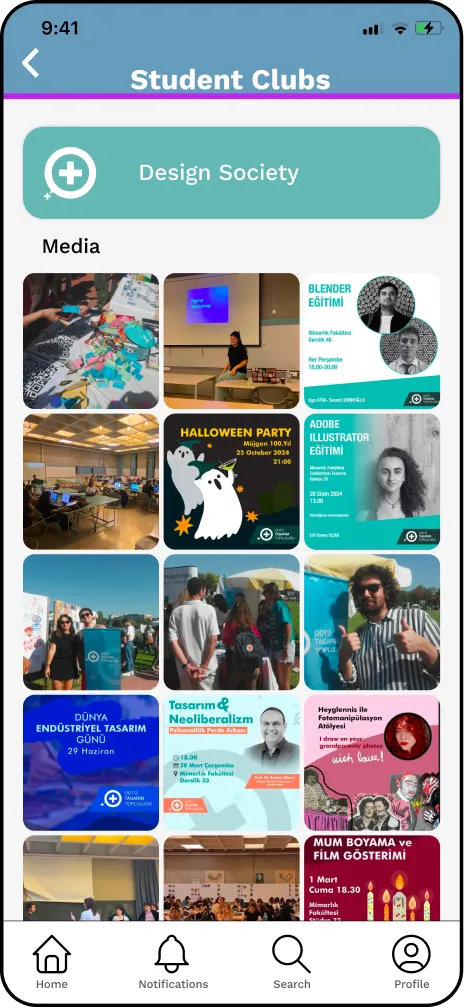
Learn about student clubs and their announcements.
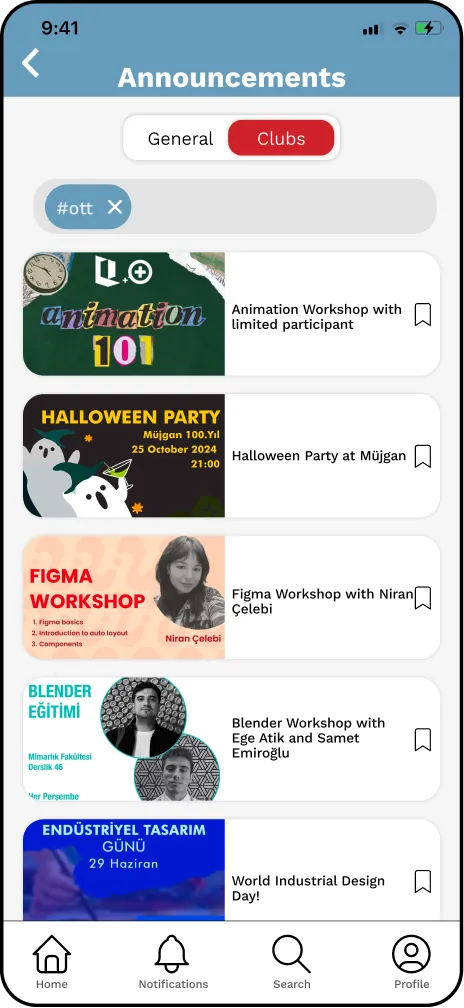
Get informed on events and news around campus.
Find the related content easily with tags.
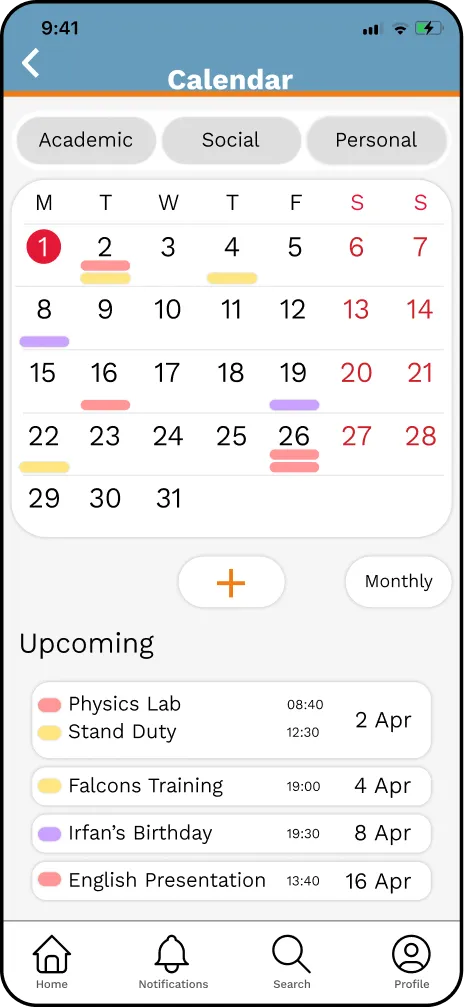
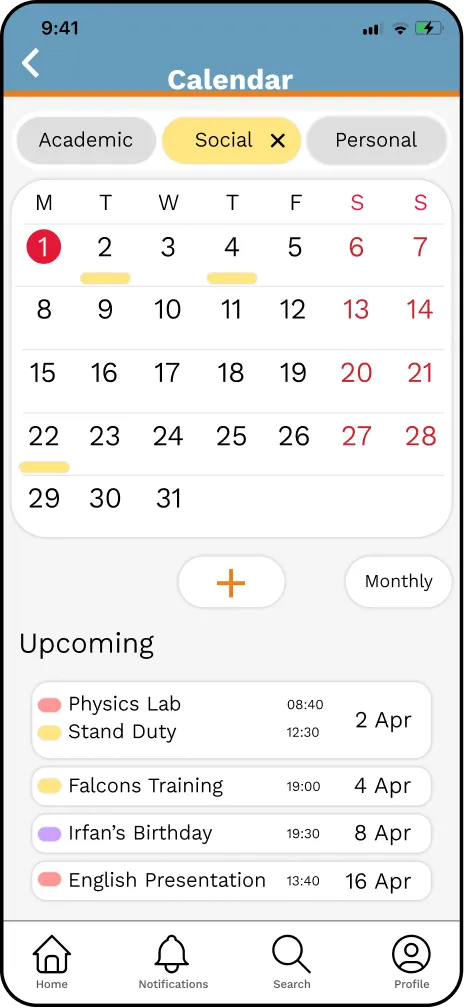
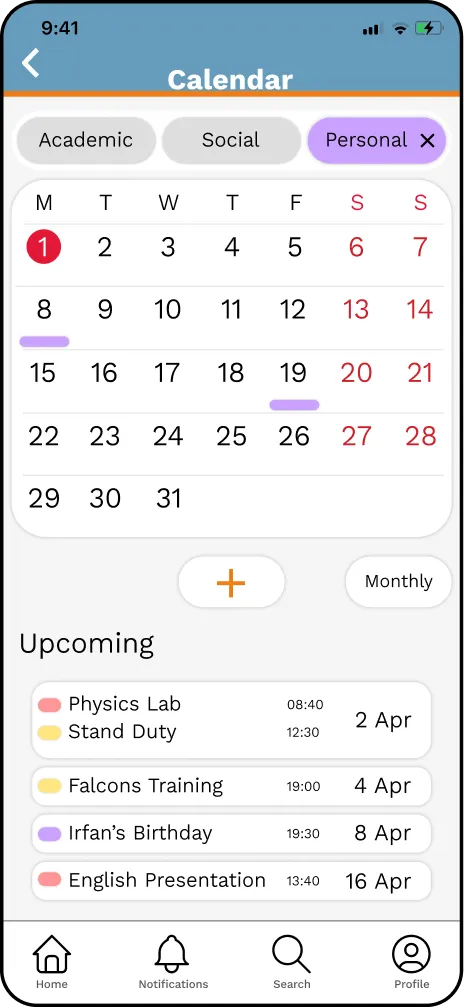
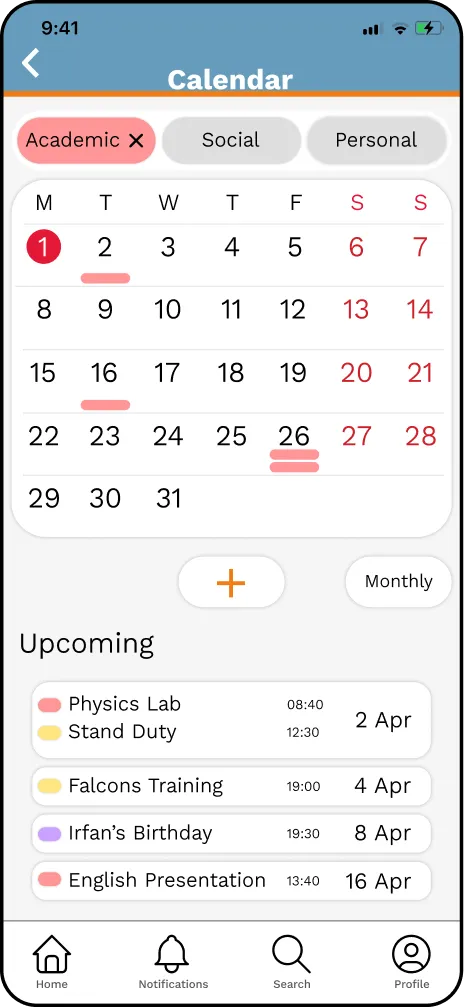
A calendar with your academic agenda.
Categorized look.
See the upcoming events and stay informed.
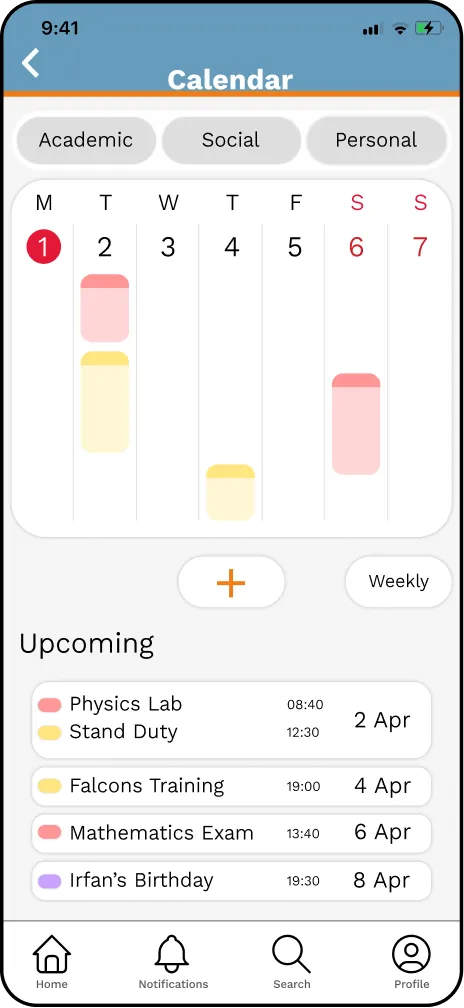
Weekly and monthly option.
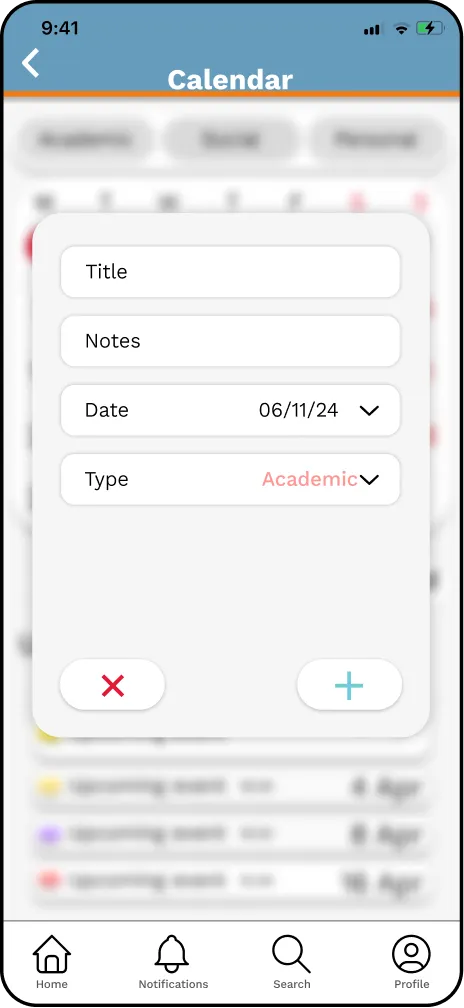
Add your own events.
Stay updated!